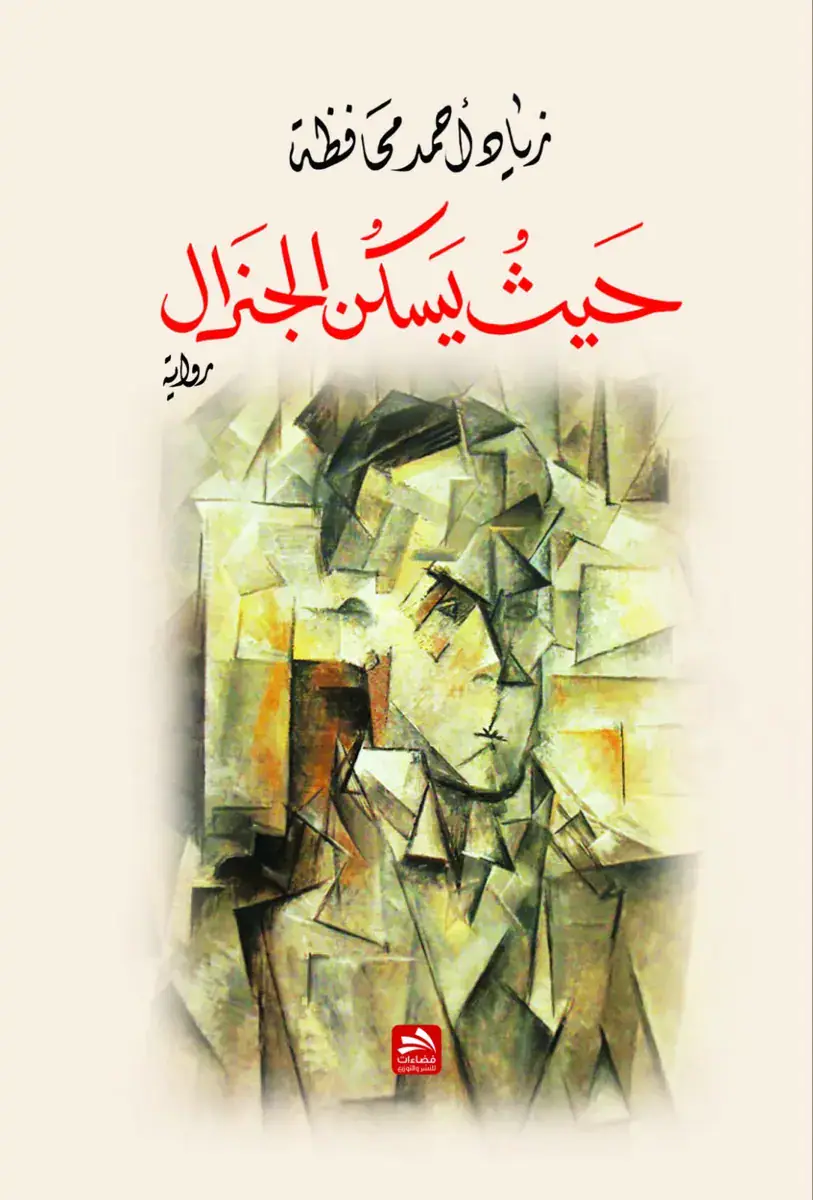
Libyan writer Ziyad Ahmed Mahfouz has recently published his novel "Hayth Yaskan al-Janaral" (Where the General Lives). The book, released by Dar Fada'at for Publishing and Distribution in Amman, Jordan, in its second edition in 2026, explores complex themes of identity, fear, and the human condition. Through its narrative, the novel invites readers to reflect on the relationship between the writer, the text, and the reader.
The novel's storyline is built around the intersection of multiple narrative levels and character developments, raising essential questions about the role of fiction in reflecting and shaping societal values. Mahfouz skillfully weaves together different narrative voices, creating a rich tapestry of experiences and emotions that resonate with readers. By doing so, he challenges conventional storytelling methods and invites readers to engage with the text on a deeper level.
One of the primary concerns of the novel is the exploration of the human psyche, particularly in relation to fear and the search for a different life. The narrative revolves around the protagonist's journey as he navigates his past and present, grappling with the concept of identity and the power of memory. Through this character's experiences, Mahfouz sheds light on the complexities of human emotions and the ways in which our perceptions shape our understanding of reality.
A key aspect of the novel is its use of symbolism, particularly in the figure of the General. This character serves as a metaphor for the fears and anxieties that reside within individuals, as well as the power structures that influence our lives. By employing this symbol, Mahfouz creates a sense of universality, allowing readers to connect with the narrative on a personal level and reflect on their own experiences.
The author's writing style in "Hayth Yaskan al-Janaral" is characterized by its lyricism and depth, which immerses readers in the world of the story. Mahfouz's use of language is both poetic and evocative, conjuring vivid images and emotions that linger long after the reader has finished the book. This literary craftsmanship has been praised by critics and readers alike, who appreciate the author's ability to craft a compelling narrative that resonates with diverse audiences.
The novel has been well-received in Libya and beyond, with many readers appreciating its thought-provoking themes and nuanced characterization. "Hayth Yaskan al-Janaral" is a significant contribution to contemporary Libyan literature, offering a unique perspective on the country's cultural and social landscape. As readers continue to engage with Mahfouz's work, it is clear that this novel will remain an important part of the literary conversation for years to come.
The publication of "Hayth Yaskan al-Janaral" is a testament to the vibrancy of Libyan literature, which continues to thrive despite the challenges faced by the country's cultural sector. Mahfouz's work serves as a reminder of the power of fiction to inspire, educate, and challenge readers, and it is a welcome addition to the literary landscape of the region.
Key points
- The novel explores themes of identity, fear, and the human condition.
- The author's use of symbolism, particularly in the figure of the General, adds depth and complexity to the narrative.
- The novel has been well-received in Libya and beyond, with many readers appreciating its thought-provoking themes and nuanced characterization.