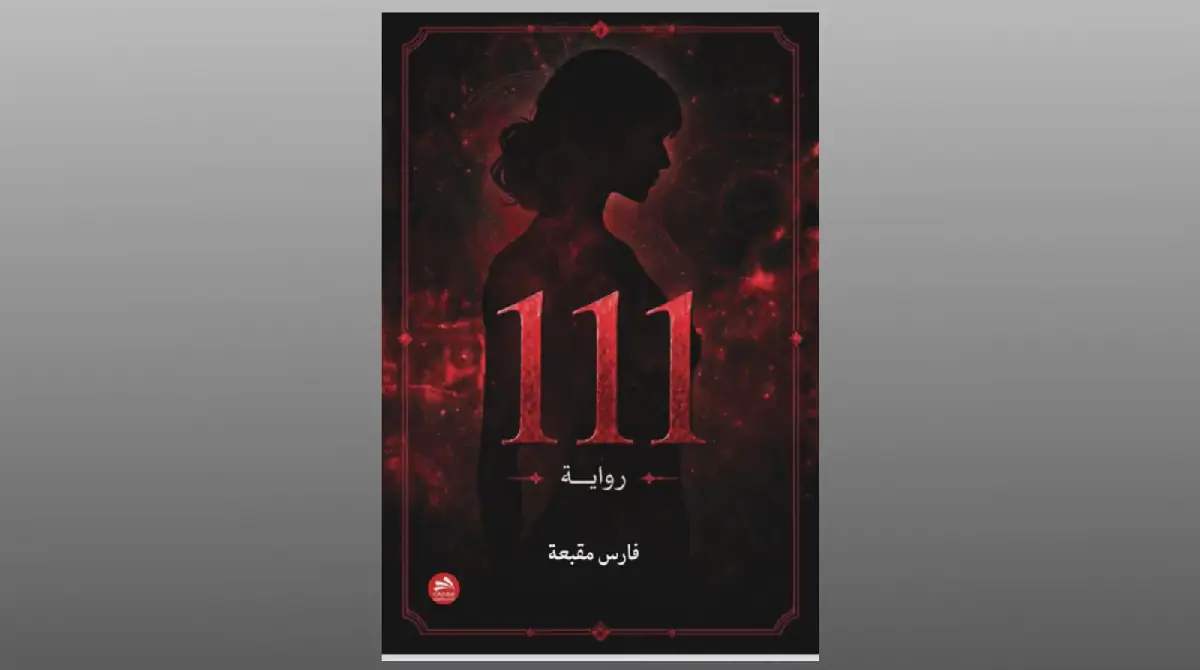
Libyan author Fares Maqbula has recently released his novel "111", a work that delves into the complexities of human existence and identity. The novel's narrative style is characterized by a blend of autobiographical and poetic elements, creating a rich and immersive reading experience. According to the novel, the story begins with the protagonist, Marta, who after four years of marriage, yearns for motherhood.
The novel's use of numbers, particularly the number 111, holds significant symbolic meaning. The number is broken down into three units, representing the beginning and existence of human life. This unique narrative approach allows the reader to explore the complexities of human emotions and experiences. Maqbula's writing style is described as vivid and evocative, drawing the reader into the world of the story.
The novel explores themes of identity, existence, and the human condition. Through the protagonist's journey, Maqbula sheds light on the struggles and challenges faced by individuals in their search for meaning and purpose. The author's use of descriptive language and imagery creates a powerful and thought-provoking narrative that resonates with readers.
One of the notable aspects of the novel is its non-linear narrative structure. Maqbula employs a non-chronological approach, weaving together fragments of the protagonist's life to create a cohesive and engaging story. This narrative technique adds depth and complexity to the novel, inviting readers to piece together the puzzle of the protagonist's life.
The novel has been praised for its unique blend of autobiographical and poetic elements. Maqbula's writing style is characterized by its lyricism and evocative power, creating a rich and immersive reading experience. The novel's exploration of themes such as identity, existence, and the human condition has resonated with readers and critics alike.
The release of "111" marks a significant milestone in Maqbula's literary career. The novel has been well-received by readers and critics, who praise its unique narrative style and thought-provoking themes. As a work of contemporary Libyan literature, "111" offers a fresh perspective on the country's cultural and literary landscape.
The novel "111" by Fares Maqbula is a significant contribution to contemporary Libyan literature. Through its exploration of themes such as identity, existence, and the human condition, the novel offers a powerful and thought-provoking narrative that resonates with readers. Maqbula's unique writing style and narrative approach have earned him recognition as a talented and innovative writer.
Key points
- The novel "111" explores themes of human existence and identity through a unique narrative style.
- Maqbula's writing style is characterized by its lyricism and evocative power.
- The novel has been well-received by readers and critics, who praise its unique narrative style and thought-provoking themes.