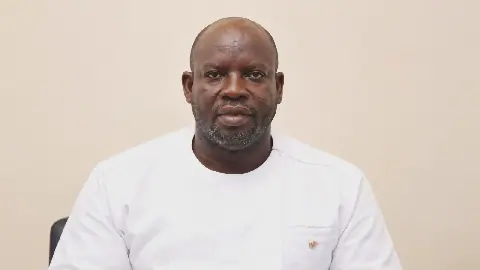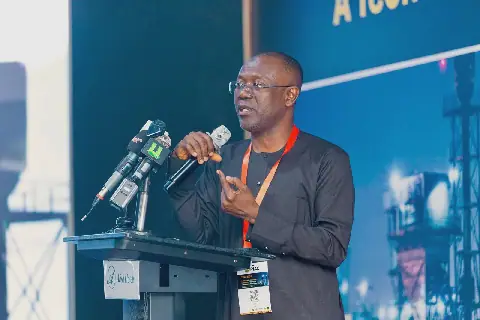
A former member of Libya's central bank, Amr Ghaith, has cautioned that the country's salary structure is unsustainable and may lead to social unrest if not addressed. Ghaith noted that the current system, where employees in different sectors and institutions receive varying salaries for similar job grades, is unfair and could have far-reaching consequences. He emphasized that this disparity could erode trust in the government's ability to manage public resources fairly.
Ghaith's warning comes at a time when Libyans are facing significant economic challenges. The issue of unequal pay has sparked concerns about the fairness of public resource management and the prioritization of spending. Ghaith argued that the government needs to reassess the salary structure to minimize disparities and ensure that employees are paid fairly for their work. This, he believes, is crucial to maintaining social stability and preventing potential conflicts.
The issue of salary disparities is closely linked to Libya's economic model, which is heavily reliant on oil revenues. Ghaith criticized this model, saying it can create a culture of dependency, where citizens expect the government to provide services without being aware of the costs. In contrast, citizens in countries that rely more heavily on taxation tend to be more engaged in monitoring the quality of public services and demanding better performance from their government.
Ghaith also expressed concern about the way government services are perceived by citizens. He argued that when services are provided without a direct financial cost to citizens, they may not be valued as highly. This can lead to a lack of accountability and a culture of entitlement, where citizens expect services without questioning their quality or cost. Ghaith emphasized the need for a more transparent and equitable system, where citizens are aware of the costs of public services and can hold the government accountable.
The issue of unequal pay and access to public services has significant implications for Libya's social stability. Ghaith's warning highlights the need for a comprehensive review of the country's economic and social policies. The government must address the root causes of these disparities and work towards creating a more equitable system that benefits all citizens. Failure to do so may lead to increased social tensions and potentially even conflict.
Libyans are calling for a more transparent and equitable distribution of public resources. The issue of salary disparities and access to public services has sparked a national conversation about the need for reform. Citizens are demanding that the government prioritize fairness and accountability in its management of public resources. Ghaith's warning serves as a reminder of the urgent need for reform to prevent social unrest and ensure a more equitable distribution of resources.
The Libyan government faces significant challenges in addressing these issues, particularly given the country's ongoing institutional divisions and multiple centers of power. However, Ghaith's warning highlights the need for urgent action to address these disparities and prevent potential social unrest. The government must prioritize fairness, transparency, and accountability in its management of public resources to ensure a more stable and equitable future for all Libyans.
Key points
- Libya's salary disparities and economic model may lead to social unrest if not addressed.
- The country's reliance on oil revenues can create a culture of dependency and undermine accountability.
- A more transparent and equitable system is needed to ensure fairness and prevent social tensions.