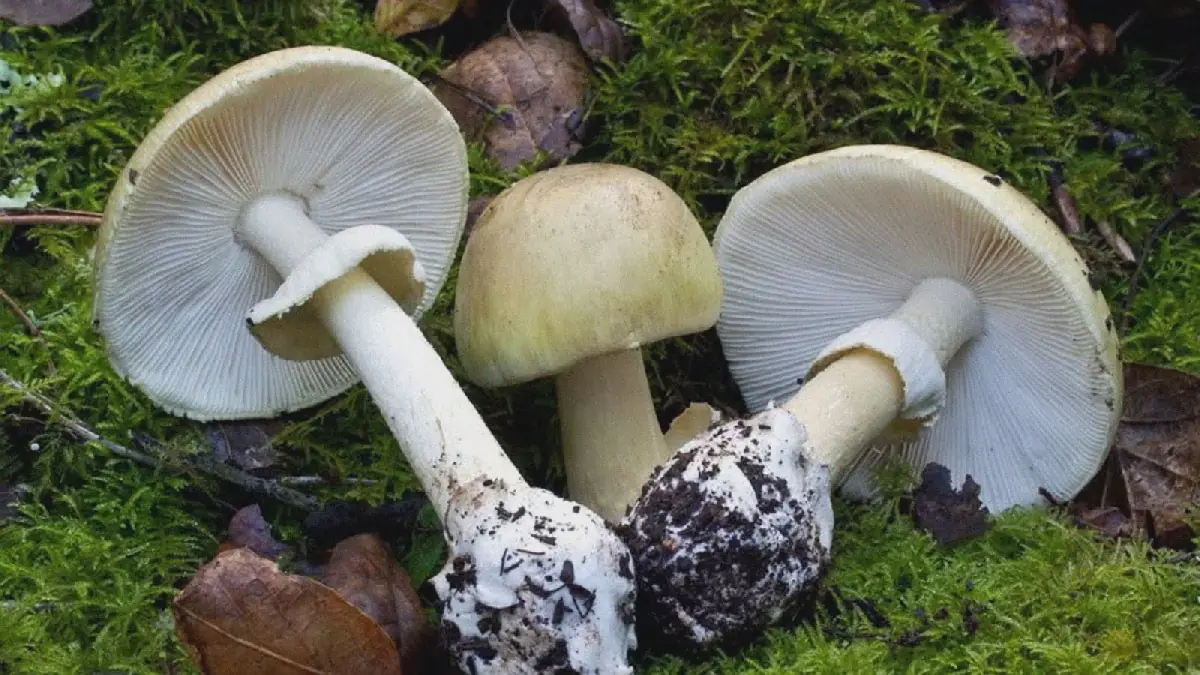
A Libyan expert has issued a warning about the risks of foraging for wild mushrooms without proper knowledge of their species. Kh Khaled Al-Mir, a plant biotechnology expert, emphasized that some poisonous species can resemble edible ones, making it difficult to distinguish between them based on appearance, smell, or taste. He cited the "death cap" mushroom, scientifically known as Amanita phalloides, as one of the most toxic species, responsible for a significant number of mushroom-related deaths.
Al-Mir rejected popular beliefs that it is possible to identify poisonous mushrooms using methods such as observing color changes in a silver spoon or onion when cooked with the mushroom. He also warned against relying on the fact that some insects or animals eat certain mushrooms, as this is not a reliable indicator of their safety. According to Al-Mir, cooking, boiling, or drying mushrooms does not remove their toxins, and distinguishing between species requires a scientific examination of characteristics such as the base of the stem, ring, gill color, spores, and growth environment.
The expert highlighted that some edible mushroom species have poisonous counterparts that are difficult to distinguish from them, making it essential to have specialized knowledge. He stressed the importance of being aware of the timing of symptoms, as delayed onset of 6 to 24 hours or more may indicate poisoning with highly toxic substances known as amatoxins. These toxins can cause liver damage before symptoms become apparent.
Al-Mir warned that people who have ingested wild mushrooms should immediately seek medical attention, even if they do not exhibit symptoms, and bring a sample or image of the mushroom to aid in identification. This warning comes after two deaths were reported out of 31 cases of mushroom poisoning in the city of Bayda, with some cases resulting in acute liver failure.
The "death cap" mushroom is particularly hazardous, as its appearance can be ordinary and not suggestive of danger. Al-Mir emphasized that it is crucial to exercise caution when foraging for wild mushrooms and to have a thorough understanding of their species to avoid poisoning.
In Libya, the lack of awareness about the risks associated with wild mushrooms has led to a significant number of poisoning cases. The situation highlights the need for public education and awareness campaigns to inform people about the dangers of foraging for wild mushrooms without proper knowledge.
The Libyan authorities have not issued any specific guidelines or regulations regarding the collection and consumption of wild mushrooms. However, experts like Al-Mir are working to raise awareness about the risks and promote responsible behavior when it comes to foraging for wild mushrooms.
Key points
- Expert warns of dangers of foraging for wild mushrooms without proper knowledge of their species.
- "Death cap" mushroom, Amanita phalloides, is one of the most toxic species, responsible for a significant number of mushroom-related deaths.
- Symptoms of mushroom poisoning may be delayed, and prompt medical attention is essential if symptoms occur or if there is a possibility of exposure.
Reporting sources
- فطر "قبعة الموت".. كيف نتعرف إلى مخاطره.. ولماذا قد تتأخر أعراض التسمم القاتل؟ · Libya Al Ahrar TV