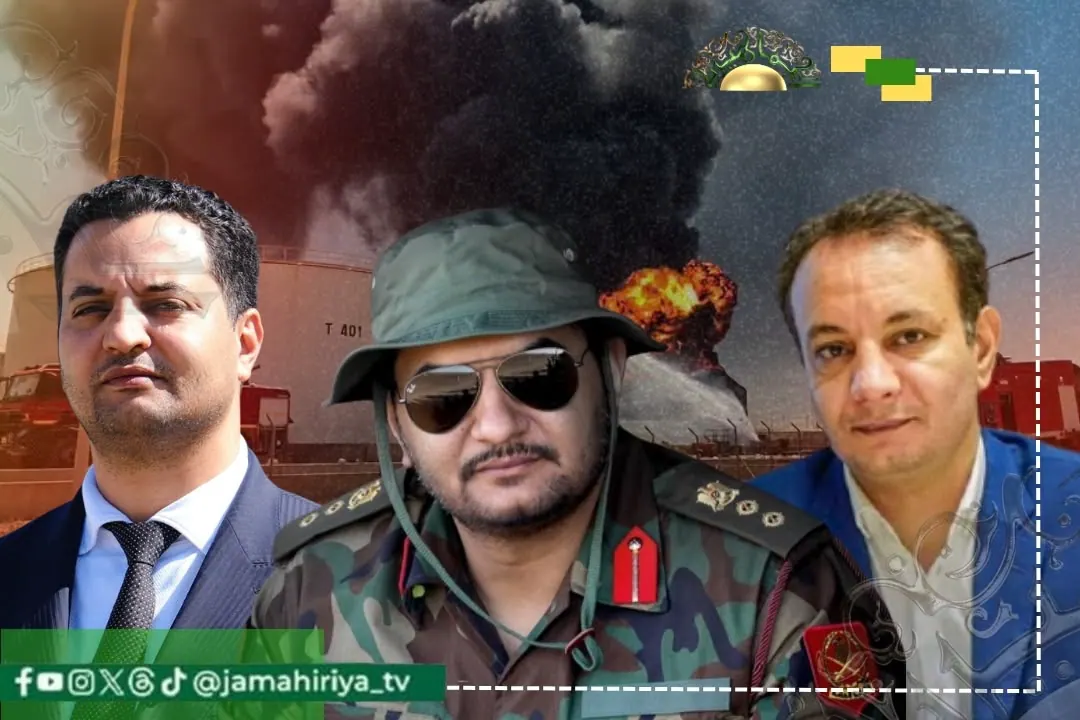
Libya's efforts to unify its institutions have hit a roadblock following allegations against Saddam Haftar, son of Khalifa Haftar, of involvement in drone attacks on fuel and energy facilities in western Libya. The attacks, which occurred in August, have exacerbated the country's electricity crisis and increased pressure on the National Unity Government led by Prime Minister Abdul Hamid Dbeibah.
According to The Guardian, Saddam Haftar was considered a key figure in US-backed plans to unify Libya's security, judicial, and political institutions. However, the drone attacks on the Zawiya oil refinery and fuel depots have made it impossible for Dbeibah's government to continue working with him. The attacks caused significant damage, including a massive fire and the collapse of a fuel tank containing 4.5 million liters of fuel.
The Libyan National Oil Corporation reported that the attacks caused significant disruptions to the country's energy supply. The developments have also complicated US efforts to unify the eastern and western governments, with US President Joe Biden's advisor on African affairs, Masood Bolus, proposing a plan that includes Haftar and a member of Dbeibah's family.
On September 5, Dbeibah's government announced the arrest of three Libyans and a Spanish national south of Tripoli on suspicion of plotting an attack on Tripoli's airport. The group is believed to consist of five Spanish and four Libyan nationals, with the Libyans allegedly linked to the Tariq bin Ziyad Brigade, which is affiliated with the eastern forces.
Sources in Dbeibah's government claim that the arrested individuals were working on behalf of Saddam Haftar, although these allegations have not been confirmed as final court judgments. The information obtained during the investigations is expected to significantly impact Saddam Haftar's political position and may affect the 4+4 talks sponsored by the United Nations.
The allegations may also ignite a succession crisis within the Haftar family, with Saddam seen as the frontrunner to succeed his father in the eastern camp. However, his brothers Khalid and Belqasim have begun to challenge his influence, with differing international backing.
The developments have raised concerns about the stability of Libya's transition to a unified government, with the country's institutions and security situation remaining fragile. The international community, including the US and the UN, will be watching closely to see how the situation unfolds and how it affects Libya's path towards stability and democracy.
Key points
- Allegations against Saddam Haftar have stalled Libya's unification talks.
- Drone attacks on fuel and energy facilities have exacerbated Libya's electricity crisis.
- The developments may ignite a succession crisis within the Haftar family.