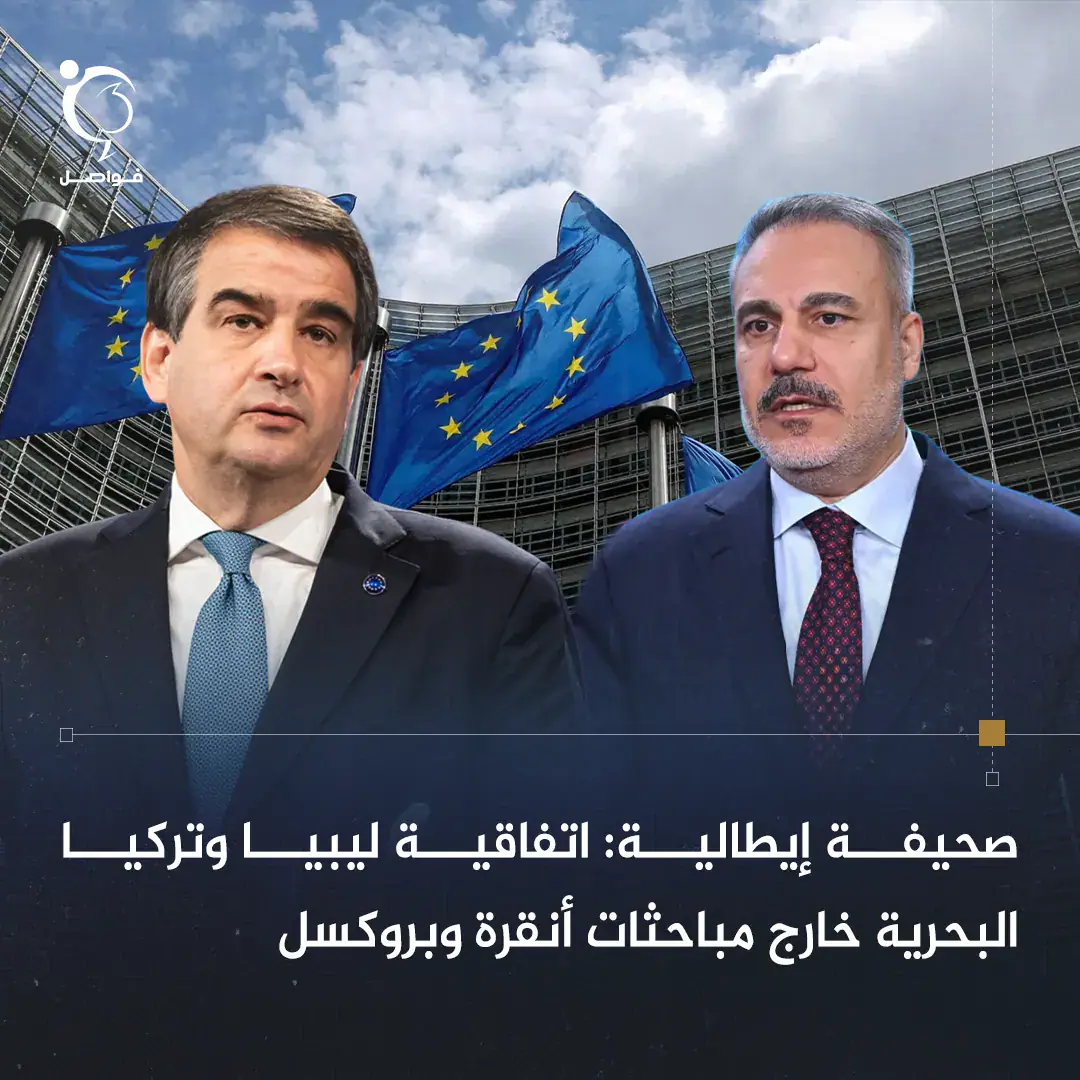
The European Union and Turkey are set to discuss their differences, particularly regarding Cyprus, at a meeting in Ankara on Thursday. The talks will be led by European Commission Vice-President Rafael Vito and Turkish Foreign Minister Hakan Fidan. The discussions aim to revive negotiations that have stalled since 2017. This development reflects a European effort to open dialogue channels with Turkey.
The meeting comes amid tensions in the Eastern Mediterranean, where energy interests and maritime disputes overlap. The EU has been trying to address these issues, especially after significant gas reserves were discovered off the coast of Cyprus. International companies, including Italy's Eni, are active in the region. The tensions have been fueled by conflicting claims and interests in the area.
A key aspect of the tensions is the maritime agreement between Libya and Turkey, which defines their exclusive economic zones. This agreement has been met with opposition from several countries, including Greece, Cyprus, France, and Egypt. Despite these objections, the agreement will not be on the agenda for the EU-Turkey talks. The EU's decision to exclude the agreement from the discussions reflects the complexities of the issue.
The Libya-Turkey maritime agreement has significant implications for the region. It has been seen as a challenge to the interests of other countries in the Eastern Mediterranean. The agreement's impact on energy exploration and exploitation in the region remains a point of contention. The EU's approach to the issue has been cautious, reflecting the need to balance competing interests.
The meeting between Vito and Fidan is also seen as an opportunity for the EU to press Turkey on its relations with Cyprus. The Cyprus dispute has been a longstanding issue, with the EU seeking a resolution. The talks may help to ease tensions and create a more favorable environment for negotiations. However, significant challenges remain.
The Eastern Mediterranean has become a focal point for energy exploration and exploitation. The discovery of significant gas reserves has increased tensions in the region, with countries seeking to assert their claims. The EU's engagement with Turkey and other countries in the region aims to promote stability and cooperation. However, the complexities of the issues involved make progress difficult.
The EU-Turkey talks are part of a broader effort to improve relations between the two sides. The discussions on Cyprus and other issues may help to build trust and create a more positive atmosphere. However, the Libya-Turkey maritime agreement remains a contentious issue that will require careful handling. The EU's approach will need to balance competing interests and priorities.
Key points
- The EU and Turkey are set to discuss their differences on Cyprus and other issues at a meeting in Ankara.
- The Libya-Turkey maritime agreement will not be on the agenda for the talks.
- The Eastern Mediterranean has become a focal point for energy exploration and exploitation, with significant gas reserves discovered off the coast of Cyprus.
Reporting sources
- صحيفة إيطالية: اتفاقية ليبيا وتركيا البحرية خارج مباحثات أنقرة وبروكسل · fawaselmedia.com