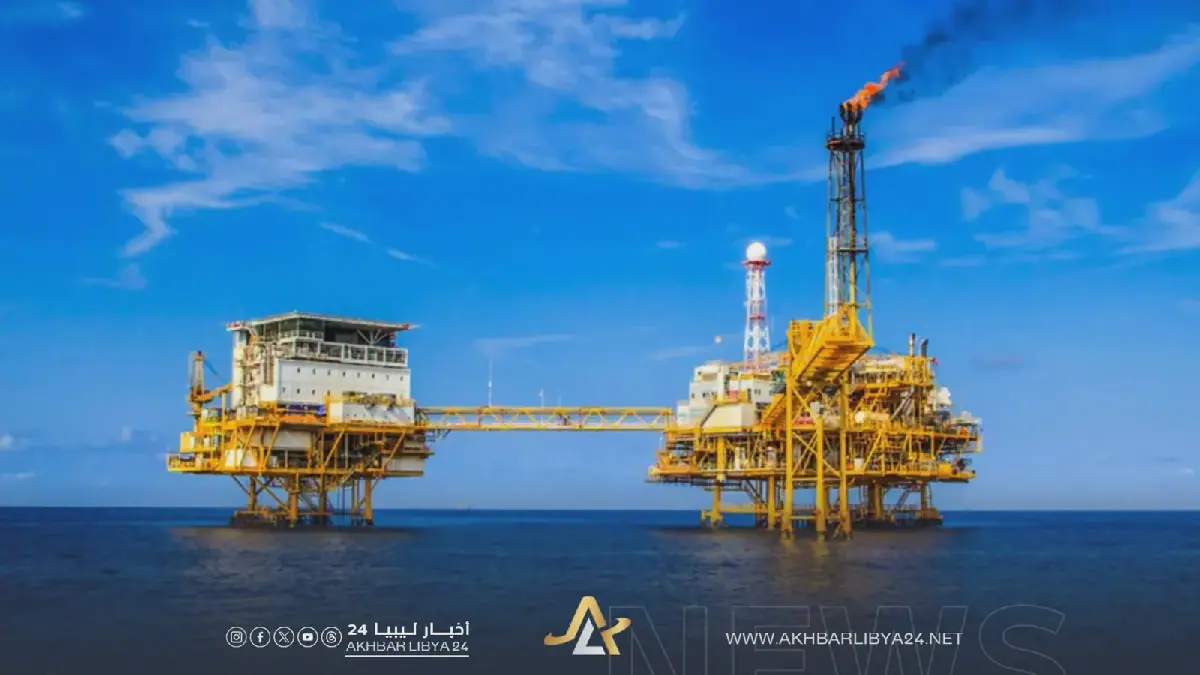
Libya is seeking to reduce gas flaring, with a target of cutting over 180 million cubic feet per day by 2026. The country plans to expand gas recovery projects, reflecting an effort to utilize resources that were previously wasted through flaring. This approach not only reduces the loss of natural resources but also improves the efficiency of hydrocarbon wealth utilization. The National Oil Corporation has implemented projects to recover flared gas, enhancing power generation and reducing emissions.
The National Oil Corporation is preparing for a new round of tenders for unexplored and underdeveloped oil fields. This move aims to convert existing reserves into production capacities, expanding the production base and increasing Libya's ability to utilize its resources. The tender process seeks to attract local and international companies with the necessary technical and technological qualifications. Ensuring strict monitoring and adherence to contractual obligations is crucial for the success of these projects.
The independence of the National Oil Corporation in exercising its technical and professional functions is vital for the sector's future. Decision-making should be based on technical and economic criteria, away from political interference that could disrupt operations or weaken resource allocation efficiency. Establishing a stable regulatory framework for investment and simplifying related procedures is essential, along with continued funding for oil facility maintenance and development.
The opening of a Baker Hughes office in Libya indicates international companies' interest in the Libyan market. This development reflects a trend towards bringing technical and technological services closer to production sites and signals growing interest in Libya's energy sector opportunities. The presence of international companies can contribute to technology transfer, operational capacity development, and national cadre qualification through long-term strategic partnerships.
The Libyan oil and gas sector faces challenges in balancing investment attraction with citizen rights. Managing returns from the sector is crucial for economic and social stability. The goal is not only to increase production or reduce gas flaring but also to direct revenues towards regular energy supplies, national company capacity building, and real job training and provision for Libyan youth.
Libya's hydrocarbon wealth must translate into tangible economic and social value. The sector's success cannot be considered complete if its impacts on services and living standards remain limited. With vast resources, it's essential to ensure that the benefits of oil and gas activities are reflected in citizens' daily lives.
Achieving the announced targets requires more than just launching initiatives; it demands a clear follow-up and accountability system. The goal of reducing gas flaring by over 180 million cubic feet daily by 2026 is an important indicator of the transformation sought by the National Oil Corporation. Regular data on progress, gas recovery, and the impact on electricity supplies and production operations are necessary.
Key points
- Libya aims to reduce gas flaring by over 180 million cubic feet per day by 2026.
- The National Oil Corporation is preparing for a new round of tenders for unexplored and underdeveloped oil fields.
- The independence of the National Oil Corporation is vital for the sector's future.