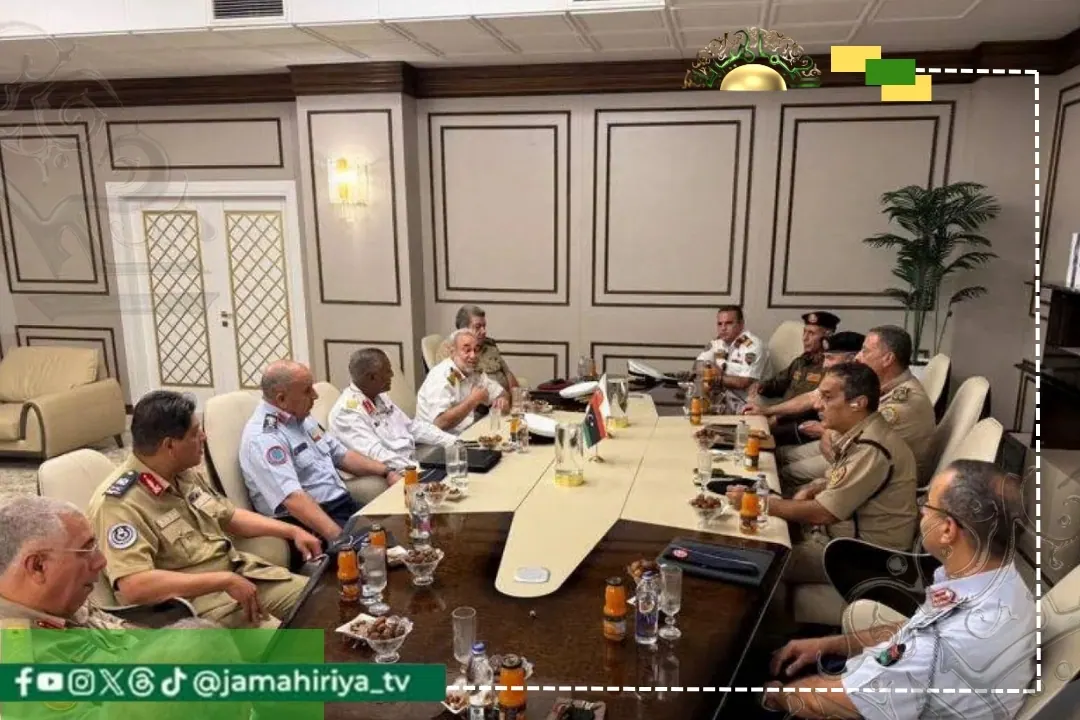
On Wednesday, a delegation from Abdul Hamid Dbeiba's government met with representatives of Khalifa Haftar in the city of Benghazi to discuss security and military arrangements. The talks aimed to build trust between the two parties, but failed to yield an agreement on implementing the arrangements. According to sources close to the negotiations, the discussions were intended to pave the way for broader security and political understandings.
The negotiations took place against the backdrop of a recently agreed-upon unified budget. However, there are concerns in western Libya that Dbeiba's government may face significant opposition for engaging in direct talks with Haftar's forces and the parliament-appointed government led by Osama Hamad. The talks are part of a delicate process to bridge the divide between eastern and western Libya.
A key aspect of the discussions involved proposals for establishing a joint operations room, with the city of Sirte potentially serving as its headquarters. However, the path forward remains uncertain due to a lack of transparency and opposition from various political and military factions in western Libya. The situation on the ground remains complex, with multiple challenges to achieving a lasting resolution.
The committees overseeing the security arrangements, operating under international and local auspices, are working to stabilize the situation. Their goals include removing armed groups from cities, relocating ammunition stores away from populated areas, and establishing a more secure environment. Despite these efforts, progress has been slow.
The failure to reach an agreement on security and military arrangements highlights the ongoing difficulties in Libya's transition towards stability. The divisions between eastern and western regions continue to pose significant challenges. The international community remains engaged, with the hope of facilitating a peaceful resolution to the country's protracted crisis.
According to sources, the talks were constructive but did not result in a formal agreement. The parties involved are expected to continue discussions in the coming weeks. The situation remains fluid, with various stakeholders vying for influence and seeking to advance their interests.
The outcome of these negotiations will likely have significant implications for Libya's future. The country's leaders face mounting pressure to deliver tangible results and address the longstanding issues that have hindered progress. The international community is watching closely, as the stability of the region is closely tied to Libya's ability to overcome its internal divisions.
Key points
- Libya's transitional process faces significant hurdles as negotiations between Dbeiba's government and Haftar's representatives fail to yield an agreement on security and military arrangements.
- The talks aimed to build trust and pave the way for broader security and political understandings, but concerns in western Libya and opposition from various factions have hindered progress.
- The situation remains complex, with multiple challenges to achieving a lasting resolution, and the international community remains engaged in facilitating a peaceful resolution to the country's protracted crisis.