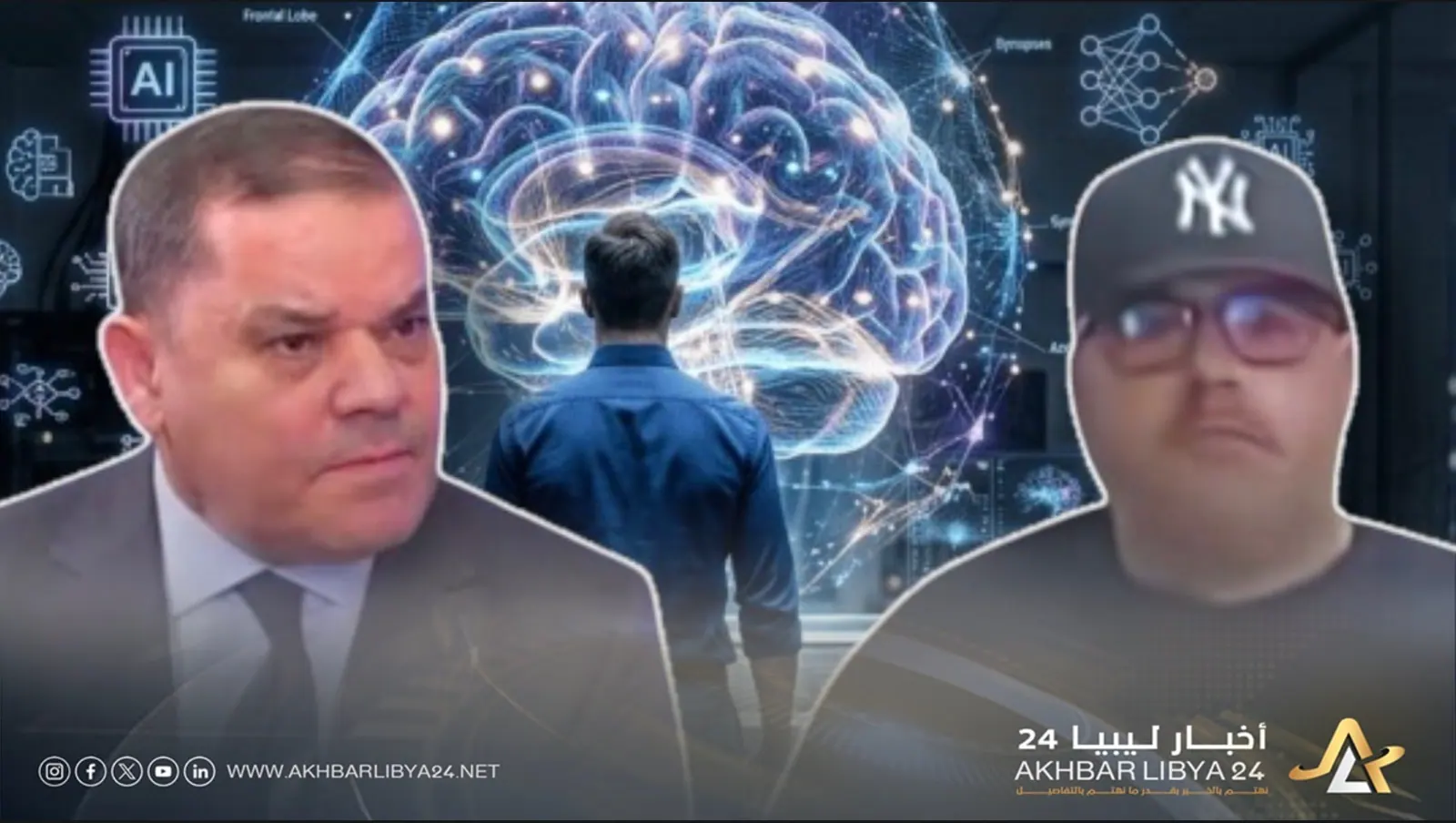
A Libyan engineer, Wail Al-Laham, has come forward with allegations that he was pressured to create fake audio and video recordings of Libyan personalities. Al-Laham, who specializes in artificial intelligence, claims that he received requests from individuals claiming to represent Abdul Hamid Dbeiba, the Libyan prime minister. The requests, which Al-Laham says he initially refused, involved producing fake content for use in propaganda campaigns.
According to Al-Laham, the requests changed in nature after he traveled to Tripoli and then to the city of Zawiya. He claims that he was asked to produce fake recordings of government officials, politicians, and journalists. These allegations, if verified, could have significant implications for the use of AI-generated content in Libya's highly polarized political and media landscape.
Al-Laham's claims include details about his interactions with individuals who allegedly pressured him to produce the fake content. He says that he was threatened and coerced into creating the recordings, which he eventually did. This raises questions about the potential use of coercion or threats to obtain technical services and the possible legal implications.
The use of AI-generated content in Libya's political and media landscape is a highly sensitive issue. With the ability to produce convincing fake recordings, the risk of misinformation and manipulation of public opinion is significant. Al-Laham's allegations highlight the need for greater scrutiny and regulation of AI-generated content in Libya.
The Libyan authorities have yet to comment on Al-Laham's allegations. However, if verified, these claims could have significant implications for the country's politicians, journalists, and citizens. The use of fake content could undermine trust in institutions and individuals, and potentially influence public opinion.
Al-Laham's decision to speak out about his experiences is reportedly motivated by a desire to protect himself and ensure his safety. His allegations have sparked a wider conversation about the use of AI-generated content in Libya and the need for greater transparency and accountability.
The issue of AI-generated fake content is a complex one, requiring a nuanced and multi-faceted approach. It involves not only technical and legal considerations but also a deep understanding of the social and cultural context in which such content is created and disseminated. As Libya continues to navigate its fragile political landscape, the need for vigilance and critical thinking in the face of AI-generated content has never been more pressing.
Key points
- Libyan engineer Wail Al-Laham alleges that he was pressured to create fake audio and video recordings of Libyan personalities.