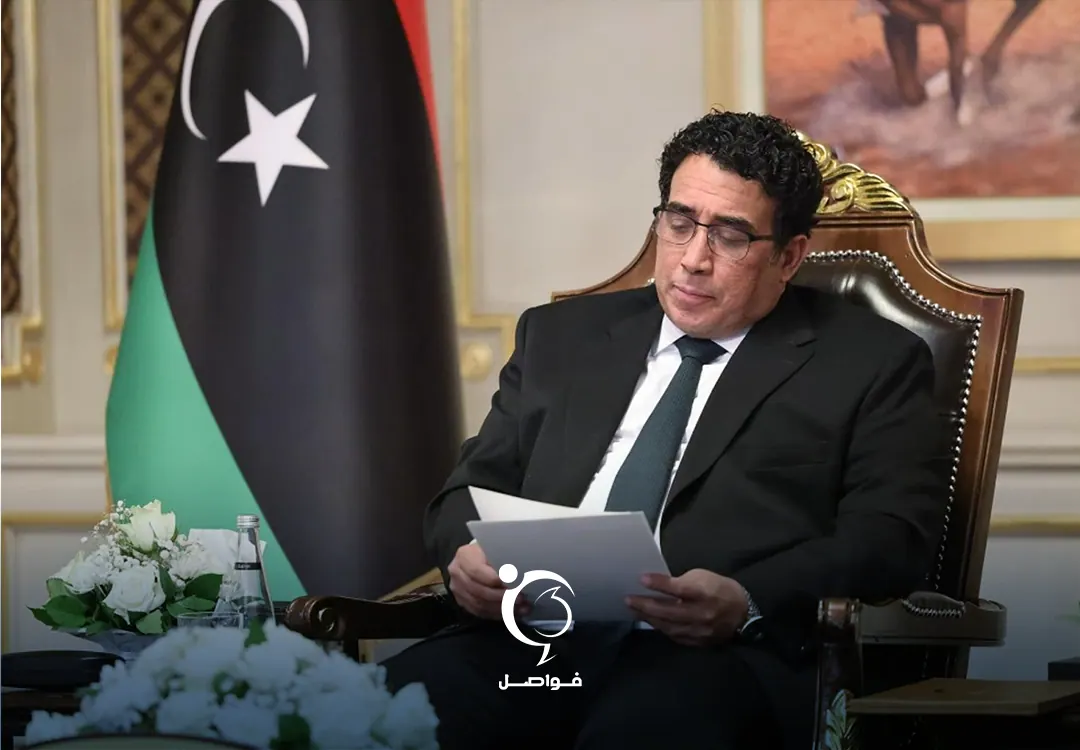
Libyan Presidential Council head Mohamed al-Menfi announced that Libya has formally requested support from the International Criminal Court's Office of the Prosecutor to aid in ongoing investigations into a cell accused of targeting vital civilian facilities in Tripoli and Zawiya. The request, submitted through official diplomatic channels, aims to bolster cooperation with Libyan authorities and facilitate the exchange of information to uncover the facts and hold those responsible accountable.
Al-Menfi stated that preliminary investigations revealed that the attacks were part of a "large-scale terrorist plan" aimed at damaging infrastructure and putting civilians' lives at risk. Libyan security agencies and the National Safety Authority managed to limit and thwart some of these operations. The authorities assessed the crimes as potentially falling under the ICC's jurisdiction, citing the involvement of foreign nationals and Libyans with multiple nationalities.
The cell in question is accused of carrying out drone strikes on oil storage facilities in Tripoli and Zawiya, as well as a power plant in Zawiya. On September 6, the Government of National Unity announced the dismantling of the cell, which it described as an organized group involved in the attacks. The government vowed to continue investigations to identify all individuals and entities involved.
Al-Menfi emphasized the importance of ensuring the impartiality, transparency, and credibility of the investigations. He noted that Libya is willing to expand cooperation with the ICC, including referring relevant facts and information for consideration. This move is in line with the country's commitment to accountability and the pursuit of justice.
The request for ICC support was made under Article 312 of the Rome Statute, which allows states to request assistance from the court in investigations. The Libyan government has been working to address the threat posed by extremist groups and to restore stability in the country. The investigation into the cell's activities is ongoing, with authorities working to gather evidence and identify those responsible.
The Libyan Ministry of Defense has denied reports of any intention to negotiate with the individuals or groups involved in the attacks. The government has emphasized its commitment to pursuing those responsible for the attacks and ensuring that they are brought to justice. The involvement of foreign nationals in the cell has raised concerns about the scope of the threat and the need for international cooperation.
The investigation into the attacks on civilian facilities is part of a broader effort to address the security challenges facing Libya. The country has been working to rebuild its institutions and restore stability after years of conflict. The support of the international community, including the ICC, is seen as crucial in helping Libya to address these challenges and ensure accountability for those responsible for crimes.
Key points
- Libya requests technical and legal aid from the ICC to investigate attacks on civilian facilities.
- The attacks are believed to be part of a "large-scale terrorist plan" aimed at damaging infrastructure and putting civilians' lives at risk.
- The investigation is ongoing, with authorities working to gather evidence and identify those responsible.