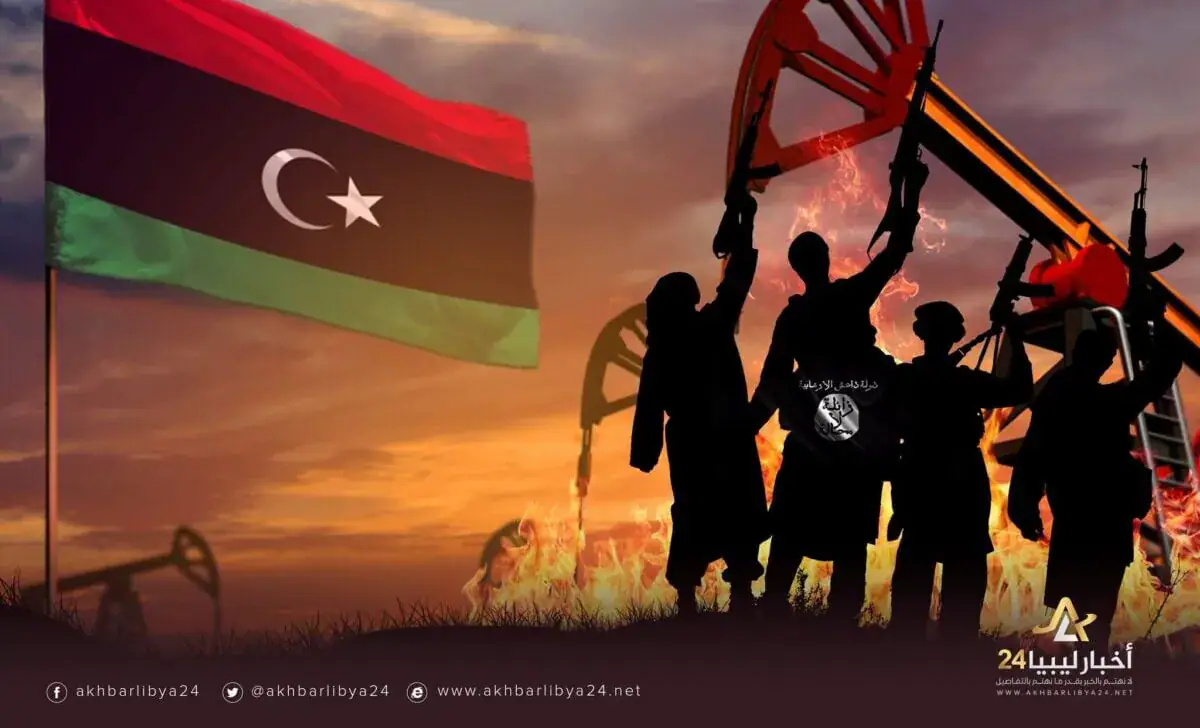
Libya is seeking to transition from managing consecutive crises to formulating practical policies based on long-term planning, expanding the production base, and activating the role of national institutions. Member of the State Council, Saeed Wnais, has revealed discussions on investment in oil, gas, and renewable energy sectors, financial reform, and protecting Libya's independence in dealing with irregular migration and combating terrorism. These files reflect the multiple paths that need to be addressed in parallel.
Wnais met with the head of the National Planning Council, Ahmed Khalifa Briedan, to discuss a draft regulation for private sector participation in oil, gas, energy, and related industries. The initiative aims to establish clear rules for national companies and local capital participation in developing oil and gas projects, forming partnerships with local and international financial institutions, and promoting transparency and equal opportunities.
The draft regulation also targets increasing investment opportunities in oil fields, developing related infrastructure, and enhancing production efficiency. It seeks to activate supporting industries and services, with a focus on localizing services and technologies, increasing reliance on Libyan expertise, and creating new job and training opportunities. However, achieving these goals remains linked to clear investment rules and regulatory guarantees.
Discussions also touched on Libya's National Renewable Energy and Energy Efficiency Program for 2025-2040. The program aims to diversify energy sources, develop available resources, and expand private investment. Renewable energy projects offer opportunities for private investment, improving resource efficiency, and developing local technical capabilities.
Wnais participated in meetings of the advisory committee to the National Planning Council, which discussed several key economic files. The committee agreed to give necessary attention to studies and recommendations within the State Council's committees. This step reflects a trend towards strengthening the connection between research, planning, and legislative and advisory paths.
The financial and economic committees of the State Council met in Tripoli to discuss cooperation with international institutions, including the World Bank. The talks focused on benefiting from international expertise and technical support to develop Libya's financial system, digital transformation, and payment systems. The World Bank will prepare a proposal for a plan to develop the Libyan economy.
On security and politics, Wnais emphasized that addressing irregular migration and terrorism requires effective international cooperation but not at the expense of Libya's sovereignty. He stressed that managing these files is a Libyan prerogative and that solutions should not be imposed from outside or compromise national consensus.
Key points
- Libya seeks to enhance economic reforms and protect citizens' interests.
- The country aims to regain national decision-making and sovereignty.
- International cooperation is crucial but must respect Libya's independence.