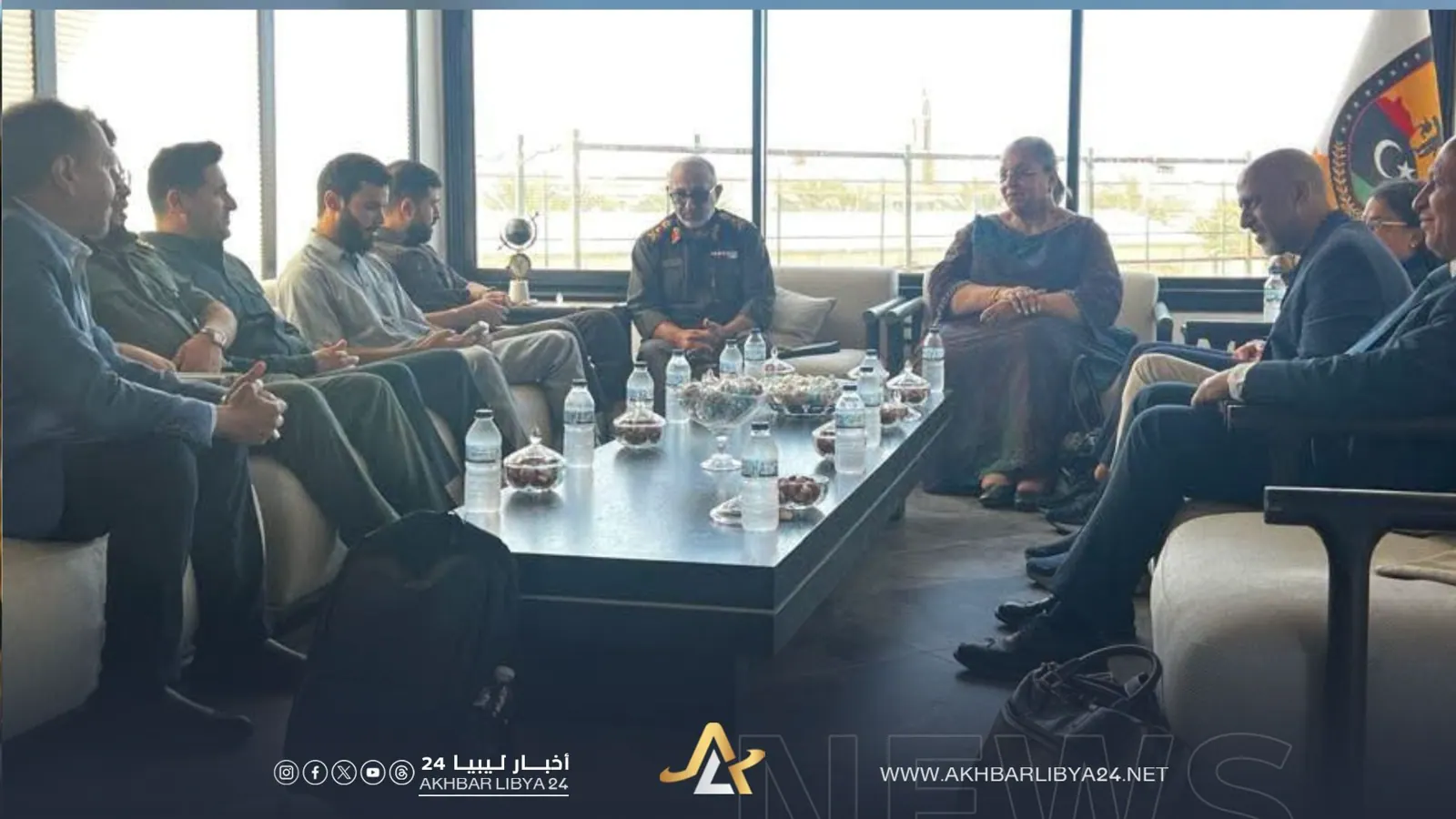
The United Nations is actively engaging with various parties in Libya to stabilize the security situation, particularly in the western coastal region. The UN's Special Representative for Libya, Hana Tietie, and her deputy, Stephanie Khouri, recently met with the Security Arrangements Committee for cities in the western coast, led by Major General Mustafa Yahya. The meeting aimed to discuss progress on security arrangements and coordination among concerned parties.
The western coast of Libya, stretching from the capital Tripoli to the Tunisian border, has been a sensitive region due to frequent changes in power balances and the presence of armed groups. The area is also a hub for illicit activities, including fuel smuggling, human trafficking, and organized crime. The UN has expressed concerns about the region's instability, with Tietie highlighting the competition between armed groups and networks linked to narcotics trade and human trafficking.
The UN's efforts to stabilize the region focus on supporting security arrangements and promoting a more stable environment for the political process. The UN-backed security arrangements aim to establish a unified and professional security force, capable of exercising authority in accordance with the law. However, the main challenge lies in implementing these arrangements on the ground, given the multiplicity of power centers and armed groups.
Human rights activist Tariq Lamlom believes that while UN efforts are important, they may not be sufficient to address the root causes of the security crisis. He notes that Libya's experience has shown a recurring gap between agreements reached and the ability to implement them, particularly in the face of multiple power centers and external influences.
The success of security arrangements in Libya's western coast is closely tied to the country's political process, particularly the upcoming elections. The UN has welcomed the agreement on the "mini-meeting" format, which aims to pave the way for national elections. However, the conduct of elections requires a secure environment, which is a significant challenge given the presence of armed groups and the need for a unified security force.
The "mini-meeting" agreement, signed in August, outlined the first two steps of a roadmap, including the formation of a national electoral commission and the modification of the electoral legal framework. However, the implementation of these agreements and the conduct of elections depend on the ability to establish a stable security environment.
According to Sharif Abdel Bofarda, director of the Libya Center for Security and Military Studies, the success of security arrangements in the western coast depends on their ability to transition from coordination to implementation. He emphasizes that the region requires a comprehensive package of security solutions, rather than isolated meetings.
Key points
- The UN's efforts to stabilize Libya's western coast face challenges due to multiple power centers and armed groups.
- The implementation of security arrangements on the ground remains a significant challenge.
- The success of security arrangements is closely tied to the country's political process, particularly the upcoming elections.