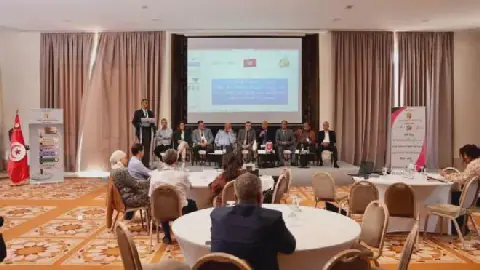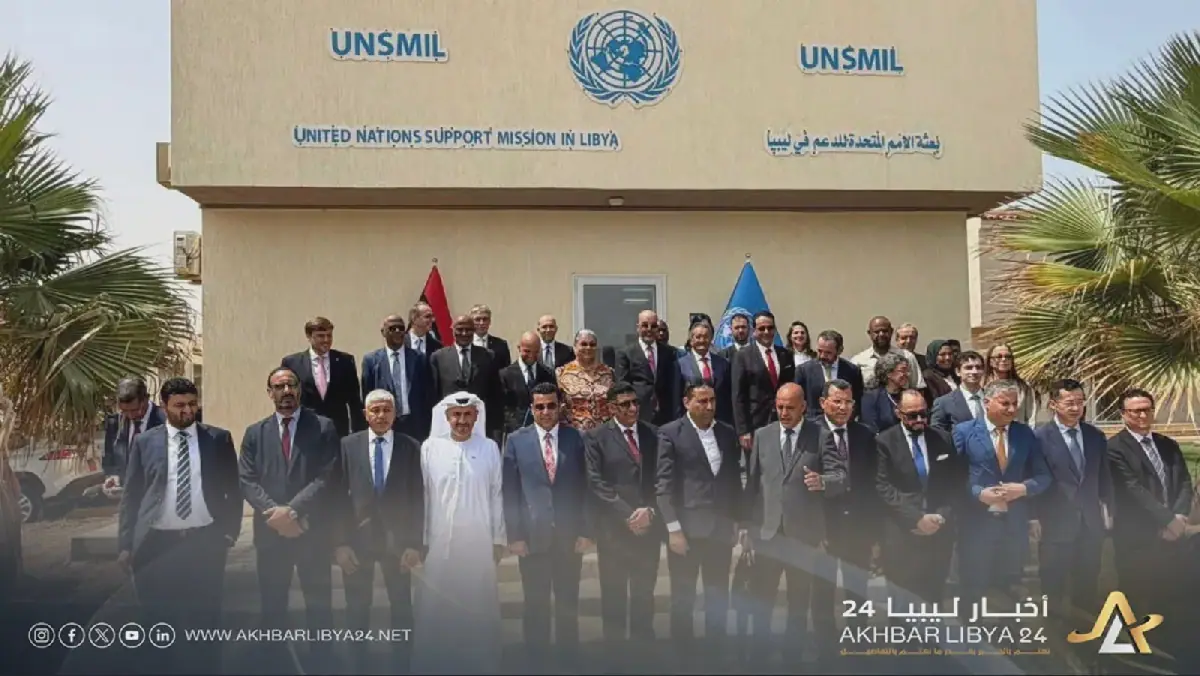
Libya's economic stability is under threat due to excessive spending, poor governance, and a lack of oversight, according to UN envoy Hana Tietje. She warned that the country's financial mismanagement and lack of transparency are depleting its oil revenues, which could have been used to improve public services and support development. Tietje's comments came during a meeting of the Economic Working Group, which was held in Tripoli to discuss the country's economic challenges.
The UN envoy highlighted the contradiction between Libya's favorable energy prices and the continued deterioration of its economic situation. Despite high oil revenues, the country's currency, the dinar, has depreciated, and the purchasing power of its citizens has decreased. This has led to increased living costs and economic hardship for Libyans. Tietje attributed these challenges to Libya's financial management and oversight mechanisms, which she said are failing to ensure that oil revenues benefit the population.
Tietje also warned about the negative impact of fuel smuggling and money laundering on Libya's economy. She stated that these illicit activities are diverting billions of dollars away from the Libyan people and depriving the national economy of resources that could be used to improve public services and support development. The envoy emphasized the need for Libya to protect its national wealth and combat financial crimes.
The Economic Working Group meeting discussed ways to enhance transparency and oversight in the management of Libya's resources. Participants also explored measures to protect the independence of Libya's sovereign and regulatory institutions from political interference. They emphasized the need for Libya to accelerate economic and financial reforms, with international support, to address the country's financial imbalances.
The meeting highlighted the need for Libya to address its economic challenges, including excessive spending, poor governance, and a lack of oversight. Participants stressed the importance of coordinating international support for Libya's reforms and working to address the financial imbalances that are affecting the country's economy. They also emphasized the need for Libya to ensure that its wealth is used to benefit all its citizens.
Libya's reliance on oil revenues has created a significant challenge for its economy. Despite high oil revenues, the country's economic situation remains unstable, and its citizens continue to face significant living costs. The UN envoy's warnings highlight the need for Libya to address its financial mismanagement and lack of transparency to ensure that its wealth benefits its population.
The Economic Working Group meeting concluded that Libya's economic challenges require urgent attention. The country's financial situation is likely to deteriorate further unless it addresses its financial mismanagement and lack of oversight. The international community has a critical role to play in supporting Libya's economic reforms and helping the country to address its financial challenges.
Key points
- Excessive spending and poor governance are depleting Libya's oil revenues.
- Fuel smuggling and money laundering are significant threats to Libya's economy.
- International support is necessary to help Libya address its economic challenges and implement reforms.