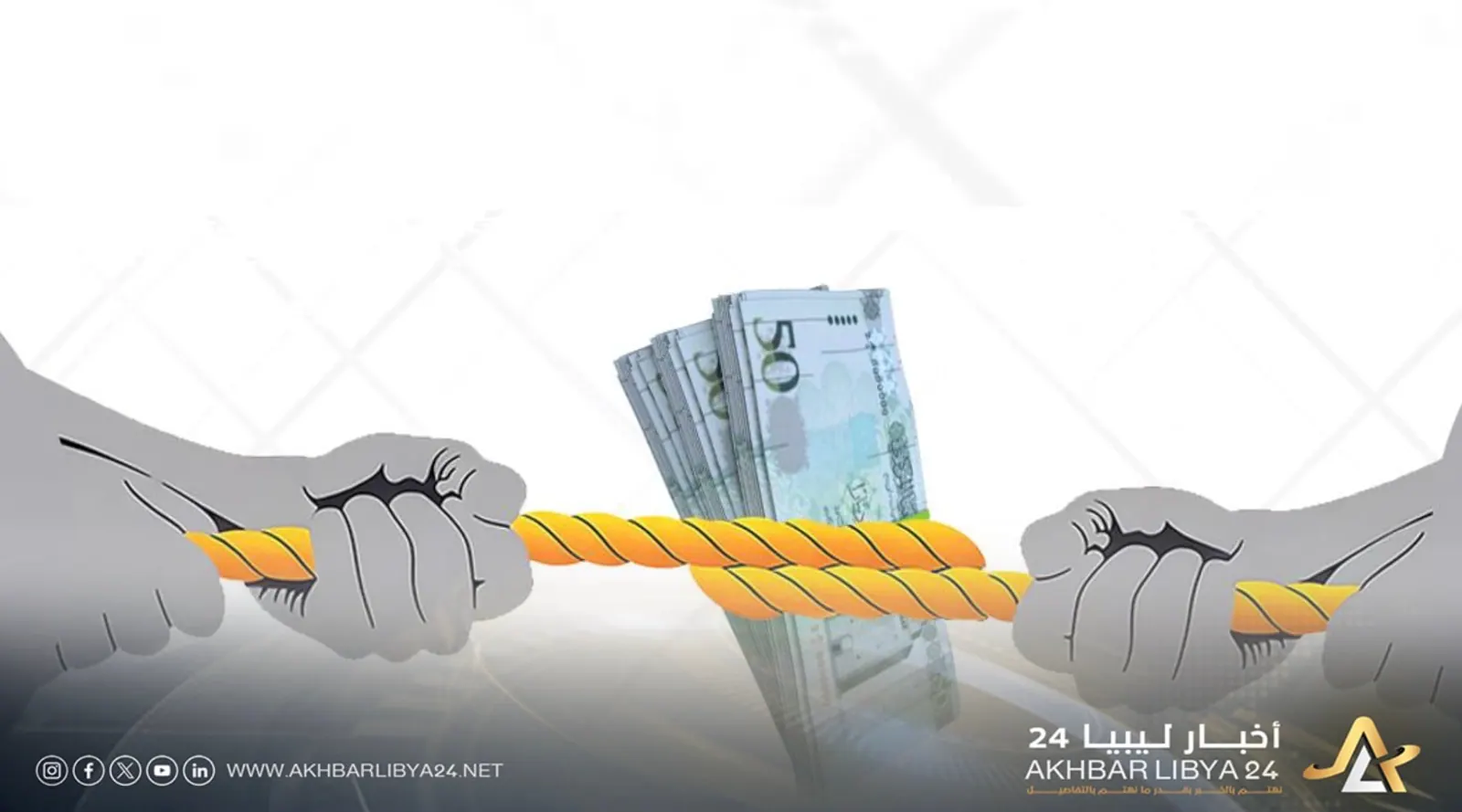
A former member of the Central Bank of Libya's management, Amr Gith, has voiced concerns over the widening wage gap between different sectors in Libya. He criticized the variation in salaries and benefits, particularly between those working in government offices and teachers. Gith argued that the unified salary law, which was intended to promote fairness, has been undermined by special allowances and benefits given to certain sectors.
Gith highlighted the significant differences in remuneration between employees in various sectors, citing the example of a government office worker earning the equivalent of three or four teachers. He also pointed out that the allowances and benefits for some sectors are not based on performance or attendance, unlike those for teachers. This has led to a situation where some employees feel that their compensation is not fair compared to others.
The issue of oil revenue transparency was also raised by Gith, who criticized the lack of clear information on the country's hydrocarbon resources. He called on the National Oil Corporation to provide detailed data on production, sales, and other relevant information. Gith emphasized the importance of transparency in understanding the country's financial situation and making informed decisions.
Gith's comments come at a time when Libya is facing significant economic challenges. The country's reliance on oil revenues makes it essential to have a transparent and accountable system for managing these resources. The lack of transparency in oil revenues and the wage gap between sectors have raised concerns about the potential for social unrest.
The wage gap and lack of transparency in oil revenues have significant implications for Libya's economy and social stability. Gith's call for reform and greater transparency is seen as a step towards addressing these issues. However, it remains to be seen how the government will respond to these concerns and whether it will take steps to address the wage gap and improve transparency.
Libya's economic challenges are compounded by the lack of transparency and accountability in the management of its oil resources. The country's hydrocarbon sector is a significant contributor to its economy, and it is essential to have a transparent and accountable system for managing these resources. Gith's comments highlight the need for greater transparency and accountability in Libya's economic management.
The issue of wage disparities and oil revenue transparency is a complex one, requiring a comprehensive and nuanced approach. Gith's call for reform and greater transparency is a step in the right direction, but it will require a sustained effort from the government and other stakeholders to address these issues. The future of Libya's economy and social stability depends on it.
Key points
- Amr Gith criticizes wage disparities and opaque oil revenues in Libya
- Gith calls for greater transparency in oil revenue management
- The wage gap and lack of transparency have significant implications for Libya's economy and social stability