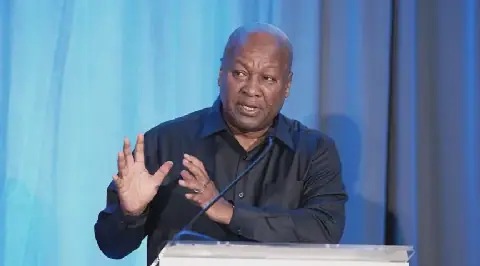
On September 22, 2026, Mohamed Takkala, head of Libya's High Council of State, emphasized that a solution to the country's crisis must be Libyan in nature, based on national will and the higher interests of the Libyan people. This solution should be grounded in robust legal and constitutional foundations, enabling Libyans to overcome transitional phases and achieve comprehensive and sustainable elections. Takkala made these remarks during his opening speech at the National Forum of the High Council of State, political parties, and Libyan political forces in Tripoli.
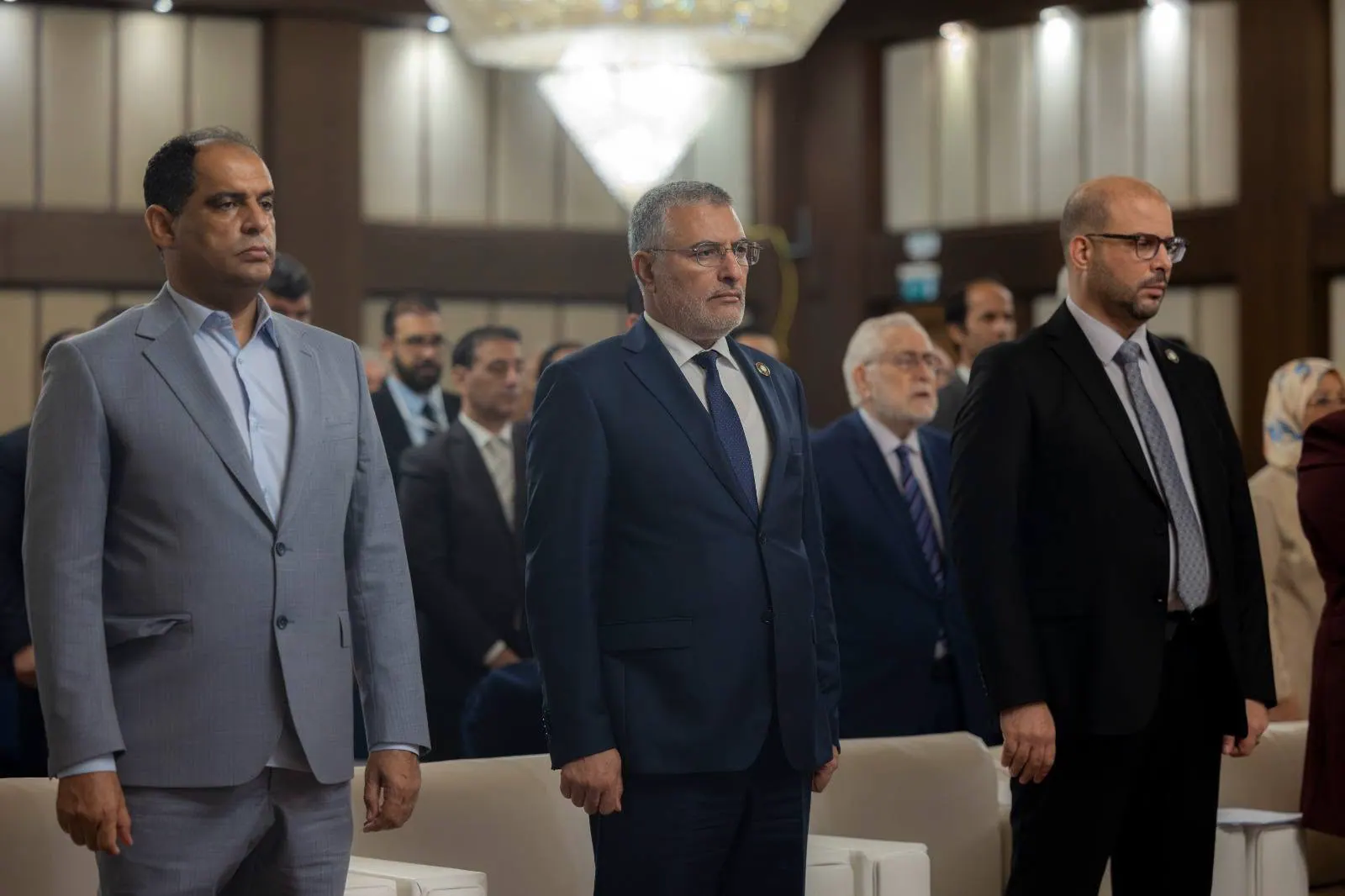
The forum, themed "Towards a Political Life Crafted by Libyan Will," was attended by Takkala's deputies, several Council members, representatives of political parties and forces, and members of diplomatic missions accredited to Libya. According to the High Council of State's media office, the forum aims to fulfill the Council's responsibility in promoting national dialogue and consultation, expanding communication between various political forces, and exploring practical paths to overcome the current political stalemate.
The gathering witnessed discussions and exchanges of views on recent developments in the political landscape and several initiatives and proposals aimed at converging viewpoints and creating suitable conditions to exit the political deadlock. Participants stressed the importance of consolidating national consensus, continuing dialogue with all political parties, forces, and national components. This approach seeks to enhance the unity of state institutions, preserve their capabilities, and pave the way for a stable political transition led by Libyan will and culminating in elections.
Takkala's call for a homegrown solution reflects a broader aspiration for Libyan ownership of the country's political future. This perspective is shared by various stakeholders who believe that external interventions have often complicated Libya's transition. By emphasizing the need for a solution based on national will, Takkala and other participants aim to reassert Libyan agency in shaping their country's political trajectory.
The National Forum is part of the High Council of State's efforts to foster a more inclusive and participatory political process. By engaging various political forces and national components, the Council seeks to build a broad-based consensus on the way forward. This approach acknowledges the diversity of Libyan society and the need for a political solution that accommodates different perspectives and interests.
Libya has faced significant challenges since the 2011 uprising that toppled Muammar Gaddafi's regime. The country's transition has been marked by conflict, political fragmentation, and institutional weakness. Efforts to stabilize the country and pave the way for elections have been ongoing, with varying degrees of success. The High Council of State's initiative represents a renewed effort to address Libya's political crisis through dialogue and national consensus.
As Libya continues to navigate its complex political landscape, the outcome of the National Forum and the implementation of its recommendations will be closely watched. The success of these efforts will depend on the ability of Libyan stakeholders to build trust, converge on a shared vision for the country's future, and work towards a more stable and democratic political system.
Key points
- Mohamed Takkala calls for a Libyan-led solution to the country's crisis based on national will and the higher interests of the Libyan people.