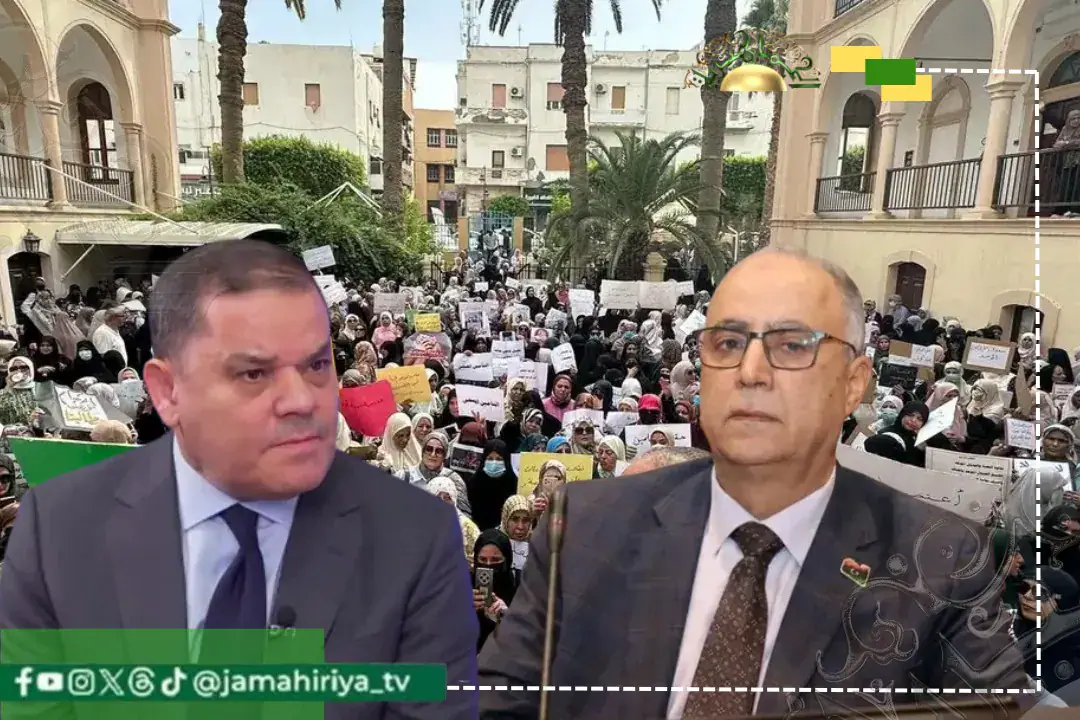
A former education official in Libya has spoken out about the government's inaction on teacher demands, saying it has exacerbated the crisis. According to Sief Alnasr Abdulsalam, the former director of research at the country's curriculum center, early intervention by the government and parliament could have limited the impact of the crisis. He stated that addressing social demands and engaging in dialogue from the start could have prevented the situation from escalating over the years.
The crisis has left many parents worried about their children's future. Moukhlass Alharari, a parent from Tripoli, expressed his concerns, saying that the closure of public schools has put his children's future in limbo. With limited income, he cannot afford to send them to private schools. The situation has left many parents like him struggling to make ends meet, as the country's public education system faces an uncertain future.
The Libyan government has announced an agreement with union representatives to end the strike, which includes a financial settlement for teachers. The deal, announced by the government of Prime Minister Abdulhamid Al Dbeiba, also includes measures such as health insurance and a new law to protect teachers. However, some union leaders have rejected the agreement, saying it does not go far enough to address their demands.
Despite the government's efforts to resolve the crisis, many teachers remain on strike. The situation has left students and parents uncertain about the future of their education. With the academic year already underway, the longer the strike continues, the more likely it is that students will fall behind in their studies. The country's education system is facing a significant challenge in getting back on track.
The disagreement between the government and teachers' unions has been ongoing for months. The strike began in September, and efforts to resolve the crisis have been met with resistance from some union leaders. The government has been accused of not doing enough to address the teachers' demands, leading to a stalemate. The situation has left many wondering when students will be able to return to their classrooms.
The crisis has highlighted the deep-seated problems facing Libya's education system. The sector has long been plagued by issues such as poor infrastructure, low salaries, and a lack of resources. The current crisis has brought these issues to the forefront, with teachers demanding better working conditions and higher salaries. The government has been urged to take a more comprehensive approach to addressing the sector's problems.
As the situation continues to unfold, concerns are growing about the impact on students. With the academic year already disrupted, there are fears that students may not be able to catch up on their studies. The country's education system is facing a significant challenge in recovering from the crisis. Parents, teachers, and students are all eagerly awaiting a resolution to the situation.
Key points
- The Libyan government's inaction on teacher demands has exacerbated the crisis, according to a former education official.
- The crisis has left many parents worried about their children's future, with some unable to afford private schools.
- The government has announced an agreement with union representatives, but some union leaders have rejected the deal.