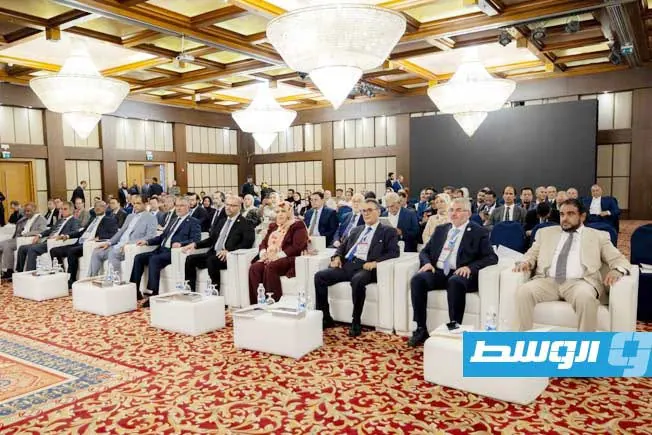
On September 21, 2026, Libya's State Council and various political parties convened in Tripoli, issuing a joint statement rejecting the 4+4 committee's proposed election roadmap. The committee's recommendations, they argue, cannot be adopted or implemented without violating the country's constitutional declaration and existing legislation. This stance was announced during a national forum attended by representatives from the State Council, political parties, and several diplomatic missions.
A primary concern raised by the State Council and political parties is the proposed return to the 2014 electoral law, known as Law No. 10. They argue that this law, which governed a previous election, does not provide a suitable foundation for the current electoral process. Instead, they advocate for adherence to the 2023 electoral law, No. 27, which was formulated by the 6+6 committee. This law, they believe, represents the most recent and legitimate legislative framework for elections.
The State Council and political parties also emphasize the importance of upholding existing electoral legislation, which was crafted through a constitutional and legal framework. They stress that any modifications to these laws should be undertaken by the relevant institutions, following established procedures, and in a manner that ensures the continued participation of political parties and forces. Moreover, they highlight the need for an electoral system that guarantees fair and balanced representation, taking into account the country's geographical and political diversity.
The joint statement underscores the crucial role of political parties in Libya's electoral and political processes. The parties argue that any electoral arrangements must ensure their full and active participation, including the right to nominate candidates and present political programs. They reject any measures that might marginalize or exclude political parties from the electoral process, emphasizing the need for equal opportunities and a level playing field.
The State Council and political parties also addressed the importance of an independent and impartial electoral commission. They stress that the commission's independence and neutrality are essential for conducting free, fair, and transparent elections. Furthermore, they call for the protection of the electoral process from external interference and the prevention of state institutions, military and security agencies, and public funds from being used to influence the electoral outcome.
In their statement, the State Council and political parties reaffirm the critical role of the judiciary in resolving electoral disputes and ensuring the integrity of the electoral process. They emphasize that respect for judicial decisions and the final results of elections is essential for a peaceful transfer of power and the stability of the state. Moreover, they highlight the need for a comprehensive national dialogue that includes all stakeholders and leads to a lasting resolution of the country's political crisis.
The State Council and political parties concluded their statement by calling for a national consensus on the foundational principles and legislative framework for the electoral process. They emphasize the importance of adhering to existing legislation, ensuring the full participation of political parties, and respecting the will of the Libyan people. Ultimately, they seek to establish a democratic, stable, and unified Libya, founded on the principles of the rule of law, separation of powers, and peaceful transfer of authority.
Key points
- The State Council and political parties reject the 4+4 committee's proposed election roadmap, citing concerns over legitimacy and constitutional compliance.
- They advocate for adherence to the 2023 electoral law, No. 27, and the importance of upholding existing electoral legislation.
- The parties emphasize the need for an independent and impartial electoral commission, and the protection of the electoral process from external interference.