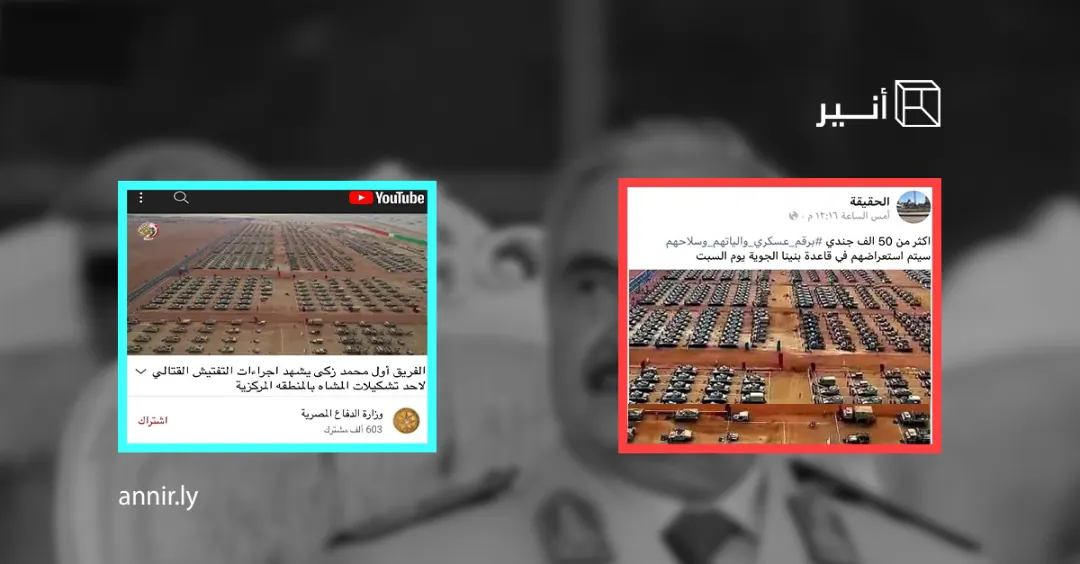
A recent incident on social media platforms in Libya highlighted the prevalence of misinformation. Images of military vehicles were shared, allegedly showing forces loyal to Khalifa Haftar celebrating at the Benina base on May 27, 2021. However, a thorough investigation revealed that the images were actually from a 2019 Egyptian Ministry of Defense video showcasing a military inspection. The video, uploaded to YouTube on October 28, 2019, was wrongly attributed to Haftar's forces.
This incident is not an isolated case of misinformation in Libya. On November 23, 2023, a fake news story circulated on Facebook, claiming that the United Nations Support Mission in Libya (UNSMIL) had proposed a list of names for a new government. The report was entirely fabricated, and UNSMIL had not made any such announcement. The spread of false information has significant implications for the country's already fragile political landscape.
Another example of misinformation involved a video that went viral on social media platforms. The footage allegedly showed Hamas militants burning Israeli soldiers alive. However, the video was actually from 2015 and depicted Turkish soldiers, not Israelis. The incident occurred on October 27, 2023, and was widely shared, causing widespread confusion and concern.
The spread of misinformation in Libya has far-reaching consequences, affecting not only the country's politics but also its social fabric. On December 17, 2025, a false claim emerged on social media, stating that the rare Silphium plant had reappeared in the city of Al Marj. The claim linked the plant's reappearance to the effects of Hurricane Daniel, which had supposedly rejuvenated the soil.
The Libyan public is increasingly vulnerable to misinformation, which can have serious consequences. The spread of false information can lead to confusion, mistrust, and social unrest. It is essential to verify information through reputable sources before sharing it on social media.
The Libyan government and international organizations have a crucial role to play in combating misinformation. By promoting fact-checking initiatives and raising awareness about the dangers of false information, they can help mitigate the spread of misinformation.
In conclusion, the spread of misinformation in Libya is a pressing concern that requires immediate attention. By working together to promote fact-based information and counter false narratives, Libyans can build a more informed and resilient society.
Key points
- - Misinformation is rampant on social media in Libya, with false claims and images being shared widely. - Recent incidents include fake news stories about military celebrations, government proposals, and the reappearance of a rare plant. - The spread of misinformation has significant implications for Libya's politics, social fabric, and public trust.