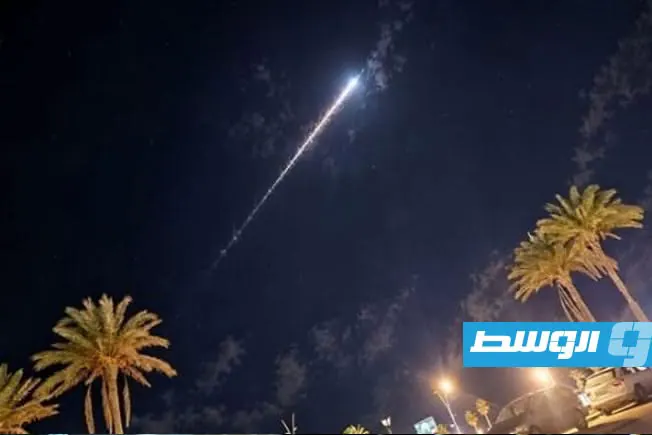
On October 6, 2026, residents of Tripoli, Libya witnessed a bright light streaking across the sky, followed by a loud boom. The phenomenon sparked widespread curiosity and concern. The Libyan Remote Sensing and Space Sciences Center took to social media to explain the event. In a statement, the center revealed that the bright light was a meteor, a small celestial body that entered Earth's atmosphere at high speed.
According to the center, the meteor was likely a small rock or fragment of a comet that burned up in the atmosphere, producing a bright trail of light. This event is commonly known as a shooting star or meteor. The center noted that such occurrences can sometimes be caused by the burning of space debris, such as old satellites or rocket parts, but in this case, the meteor was the likely cause.
The Libyan Remote Sensing and Space Sciences Center used its Facebook page to share a video and images of the event, providing visual evidence of the meteor. The center's explanation helped alleviate concerns among residents, who had been speculating about the cause of the bright light and loud noise.
The incident highlights the importance of scientific research and education in understanding natural phenomena. The Libyan Remote Sensing and Space Sciences Center plays a crucial role in monitoring and studying the Earth's atmosphere and space environment. By providing accurate information, the center helps to dispel myths and misconceptions about natural events.
Meteor sightings are not uncommon, but they can still be spectacular and awe-inspiring. As the Earth's atmosphere is bombarded by small celestial bodies every day, most burning up without incident. However, when a meteor is large enough to produce a bright light and loud noise, it can be a startling experience for those who witness it.
The Libyan Remote Sensing and Space Sciences Center's explanation of the event demonstrates its commitment to public education and outreach. By sharing its expertise and knowledge, the center helps to promote a better understanding of the Earth's environment and the universe. This is especially important in a region where natural phenomena can have significant impacts on daily life.
In conclusion, the Libyan Remote Sensing and Space Sciences Center's investigation into the mysterious light in Tripoli's sky has provided a clear explanation for the event. The center's work highlights the importance of scientific research and education in understanding natural phenomena. By continuing to monitor and study the Earth's environment, the center can help to promote a better understanding of the world around us.
Key points
- The Libyan Remote Sensing and Space Sciences Center explained that the bright light in Tripoli's sky was a meteor burning up in the atmosphere.