In January 1972, the Libyan government took a drastic step in curbing press freedom by trying and shutting down several independent publications. The trial, known as the "People's Court," targeted prominent journalists and publications that were deemed to be promoting dissenting views and criticizing the government. The court accused the defendants of misleading public opinion and promoting the image of the former monarchy. This move marked a significant turning point in Libya's press freedom landscape.
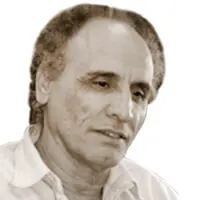
The events leading up to the trial began with a period of surveillance and monitoring of journalists and publications by the authorities. The government had been tracking the activities of prominent journalists, including Rashad Al-Huni, the editor-in-chief of Al-Haqiqa newspaper. Al-Haqiqa was one of the publications that was targeted by the government for its critical views and in-depth analysis of current events. The newspaper was known for its bold and incisive reporting, which often challenged the government's policies and actions.
The trial was part of a broader crackdown on dissent and opposition to the government. In the aftermath of the September 1969 revolution, the new government, led by Muammar Gaddafi, had been working to consolidate power and eliminate any potential threats to its authority. The trial of the journalists and publications was seen as a key part of this effort. The government had also established a new publication, Al-Thawra, to promote its views and counter the influence of independent publications.
The trial had a profound impact on the Libyan press landscape. Many publications were forced to close or significantly alter their editorial content to avoid being targeted by the government. Journalists who had been critical of the government were either imprisoned or forced into exile. Rashad Al-Huni, who had been a vocal critic of the government, was among those who were targeted. His newspaper, Al-Haqiqa, was shut down, and he was forced to flee the country.
The international community largely failed to take notice of the crackdown on press freedom in Libya. The Arab Journalists' Union did not issue a statement condemning the government's actions, and international human rights organizations did not take significant action to support the Libyan press. The lack of international attention and pressure allowed the Libyan government to continue its crackdown on dissent and opposition.
The trial and shutdown of independent publications had a lasting impact on Libya's press freedom landscape. The government's actions created a climate of fear and self-censorship among journalists, which persisted for many years. The lack of a free and independent press allowed the government to maintain a tight grip on power and suppress dissenting views. The legacy of this period continues to be felt in Libya today.
In the years following the trial, Libya's press freedom landscape continued to deteriorate. The government maintained strict control over the media, and any attempts at independent reporting were quickly suppressed. The country's journalists continued to face harassment and intimidation, and many were forced into exile. The situation only began to change with the overthrow of Gaddafi's regime in 2011, which led to a brief period of press freedom before the country descended into chaos.
Key points
- The Libyan government's crackdown on press freedom in 1972 marked a significant turning point in the country's history, leading to a long period of suppression of dissenting views and independent reporting.