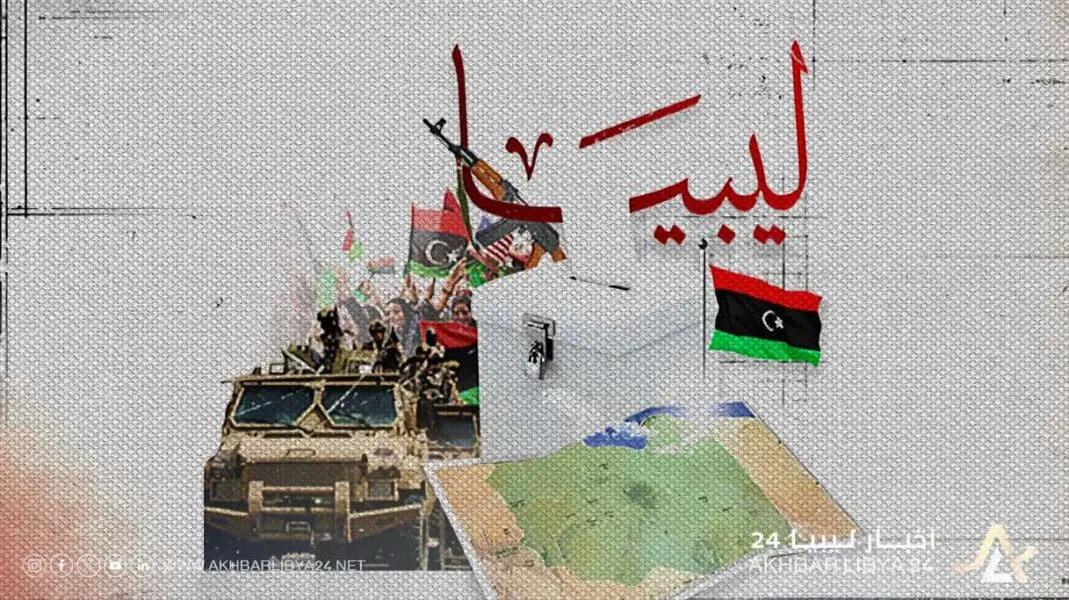
In a move that has sparked controversy and debate, Mustafa al-Majzoub has announced his arrival in Tripoli and the start of his duties as head of a new unity government. This development has added a new layer of complexity to Libya's already tumultuous political landscape, which has been marked by a split between two governments, one in Tripoli led by Abdul Hamid al-Dbeibah and the other in eastern Libya led by Osama Hamad.
Al-Majzoub's announcement came after a group of politicians and activists chose him during a meeting in Geneva in July. In a televised address to the Libyan people, he called for a peaceful transfer of power, declaring that he would freeze the activities of the House of Representatives and the High Council of State. Al-Majzoub also outlined a proposed timeline for ending the transitional period, which includes a referendum on a new constitution within 90 days, followed by presidential and parliamentary elections within eight months.
The announcement has sparked mixed reactions from various quarters. Some have expressed support for al-Majzoub's initiative, seeing it as a potential way out of the country's protracted crisis. Others have raised concerns about the legitimacy of the new government and its ability to function effectively. The international community, including the UN, has been pushing for a unified government and a path towards elections.
Critics of al-Majzoub's initiative argue that it lacks the necessary legal and institutional backing to be effective. They point out that the new government has not received official recognition and that the UN mission in Libya has denied any involvement in the Geneva meeting that led to al-Majzoub's selection.
Iman al-Kashar, a Libyan political activist, said that the announcement has complicated the situation, adding that there is an ongoing UN process and international decisions that support a unified executive authority and the holding of elections. Al-Kashar noted that while the international community has managed to contain the conflict, it has not addressed the root causes of the crisis, which are linked to the division of power and the rules for accessing it.
Khalid al-Hajazi, a political analyst, warned that the new initiative could lead to further division and conflict over legitimacy and political representation. He emphasized that Libya does not need another government but rather a national project that ends the division, unifies institutions, and sets a binding timeline for elections.
The reaction to al-Majzoub's initiative has been varied, with some groups and individuals expressing support and others skepticism. The development has raised questions about the potential for a peaceful transfer of power and the possibility of new elections.
Key points
- The announcement of a new unity government in Libya has sparked controversy and debate about the country's political future.
- The initiative's success depends on its ability to gain recognition and support from various stakeholders, including the international community.
- The development has raised questions about the potential for a peaceful transfer of power and the possibility of new elections.