Libya's political landscape has entered a new phase with ongoing debate over the 4+4 committee's proposals. The committee's efforts aim to pave the way for elections, but some Libyans question its constitutional basis and adoption mechanisms. This development occurs amid a pressing need for a settlement to end the institutional divide and halt the disruption of national entitlements. The House of Representatives has endorsed the agreement, while the State Council has rejected it.
The 4+4 committee's proposals include separating presidential and legislative elections. This separation could allow for parliamentary elections to proceed even if presidential elections are not held, reducing the likelihood of the entire electoral process being stalled. This approach is significant given Libya's previous experience, where disputes over presidential elections affected the broader political process, including legislative elections.
According to political analyst Mohamed Amtirid, the 4+4 committee's work represents a positive step forward, particularly after years of disagreement over electoral laws. He notes that most issues were related to presidential elections, while laws governing parliamentary elections are more accessible to various parties, including political parties. However, reaching electoral agreements does not necessarily mean overcoming political and institutional obstacles.
The High National Elections Commission (HNEC) plays a crucial role in Libya's electoral process. Amtirid states that HNEC head Imad Al-Sayeh has not fallen short in performing his duties, citing the 2021 elections, where the commission registered approximately 2.8 million voters and allowed candidates to participate. Resolving the HNEC issue could help reduce the gap between main parties, particularly regarding political agreements between executive and legislative institutions.
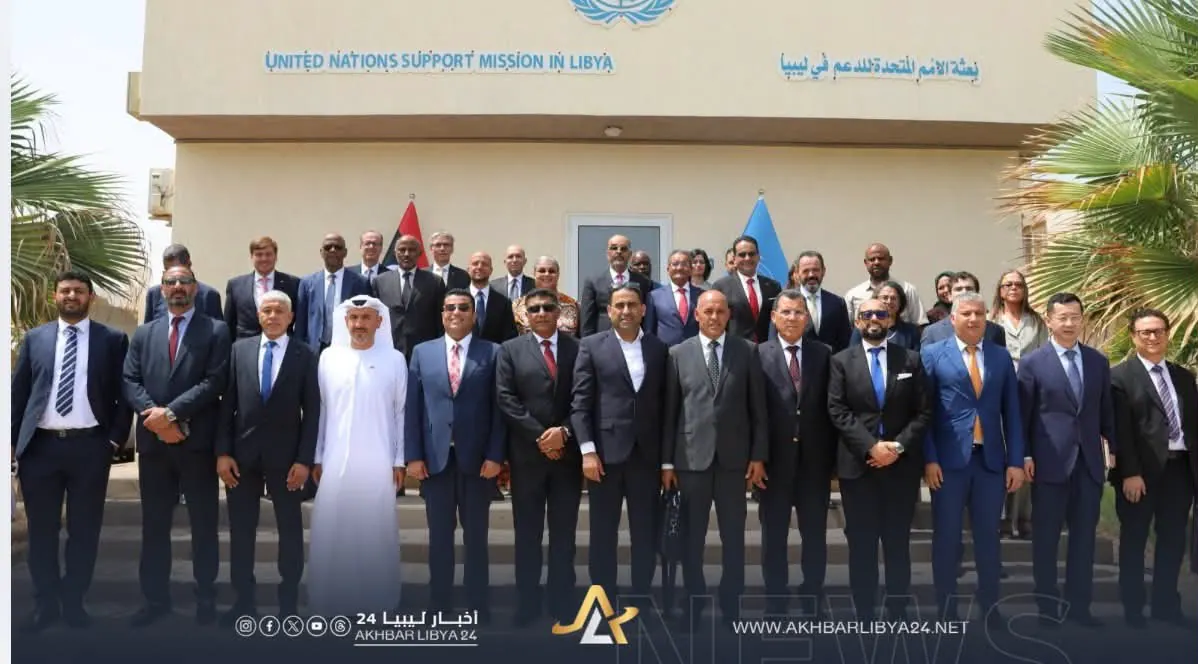
The international community, particularly the United Nations, is pushing for a resolution to Libya's crisis. The UN Security Council welcomed the 4+4 agreement in September and called on Libyan parties to work towards its implementation. However, some Libyan institutions reject key parts of the agreement. Amtirid emphasizes that the success of any UN initiative requires dealing seriously with parties obstructing the political process.
The 4+4 committee's proposals have sparked debate over the constitutional basis and implementation mechanisms. The State Council rejected the agreement in an October 6 session, while the House of Representatives has endorsed it. This disagreement reflects a broader challenge: translating political agreements into practical steps. The committee's next steps will be crucial in determining the feasibility of its proposals.
Libya's crisis highlights the need for a settlement that addresses the country's institutional divide and electoral disputes. The 4+4 committee's efforts aim to create a framework for elections, but its success depends on overcoming the existing obstacles. Key points include:
Key points
- The 4+4 committee's proposals aim to pave the way for elections in Libya.
- Separating presidential and legislative elections could help prevent process delays.
- International support and pressure may be necessary to push Libyan parties towards a resolution.