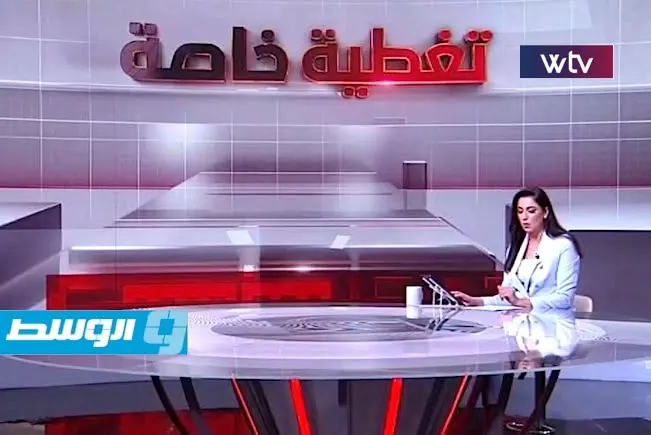
A recent episode of the "Special Coverage" program on Al-Wasat TV discussed the role of Libya's neighboring countries in reviving the country's political process. The program, aired on September 20, 2026, examined the implications of the "4+4" agreement signed in late August. This agreement was reached by a smaller committee and aims to move the political process forward. The discussion also touched on the positions of neighboring countries, particularly Egypt and Algeria, which have emphasized the importance of coordination through the "Tripartite Mechanism" on Libya.
The "4+4" agreement has garnered significant attention, with many stakeholders eager to see its impact on Libya's protracted political crisis. The agreement was reached after intense negotiations between Libyan parties and aims to create a framework for moving forward. Egypt and Algeria have expressed their support for the agreement, emphasizing the need for a Libyan-led solution. Their stance was reaffirmed during a phone call between Egyptian Foreign Minister Badr Abdelatty and his Algerian counterpart, Ahmed Attaf, on September 17, 2026.
The "Tripartite Mechanism," which includes Egypt, Algeria, and Tunisia, plays a crucial role in supporting Libya's political process. This mechanism aims to facilitate dialogue and coordination among Libyan parties, with the ultimate goal of achieving stability and security in the country. Neighboring countries have a vested interest in ensuring Libya's stability, given the potential regional implications of the ongoing crisis.
The discussion on Al-Wasat TV highlighted the complexities surrounding the "4+4" agreement and the challenges it faces in implementation. Despite these challenges, there is a sense of optimism that the agreement can help revive the political process. The program's hosts and guests emphasized the need for all parties to work together to achieve a peaceful resolution to the crisis.
Libya's neighboring countries have been actively engaged in efforts to support the country's political process. Egypt, Algeria, and Tunisia have all played important roles in facilitating dialogue and promoting stability. Their efforts have been complemented by international organizations, which have also been working to support Libya's transition to stability and democracy.
The "Special Coverage" program on Al-Wasat TV provided a platform for in-depth analysis and discussion of the issues surrounding Libya's political process. The program's guests included experts and analysts who provided valuable insights into the complexities of the crisis and the potential solutions. The discussion was moderated by presenter Zina Al-Shawashi.
As Libya continues to navigate its complex political landscape, the role of neighboring countries will remain crucial. The "4+4" agreement and the "Tripartite Mechanism" are just two examples of the initiatives aimed at supporting Libya's transition to stability and democracy. The international community will be watching closely to see how these efforts unfold and whether they can help bring an end to Libya's protracted crisis.
Key points
- Neighboring countries, particularly Egypt and Algeria, are playing a crucial role in supporting Libya's political process through initiatives like the "Tripartite Mechanism".