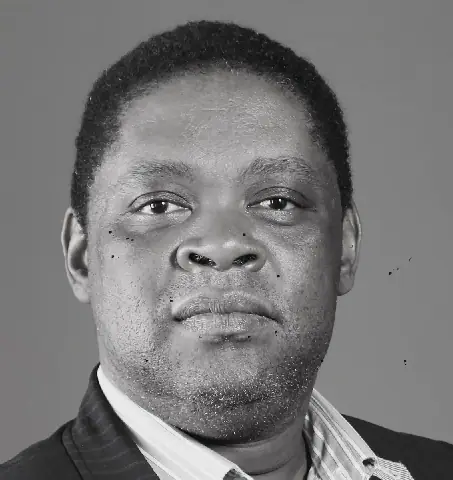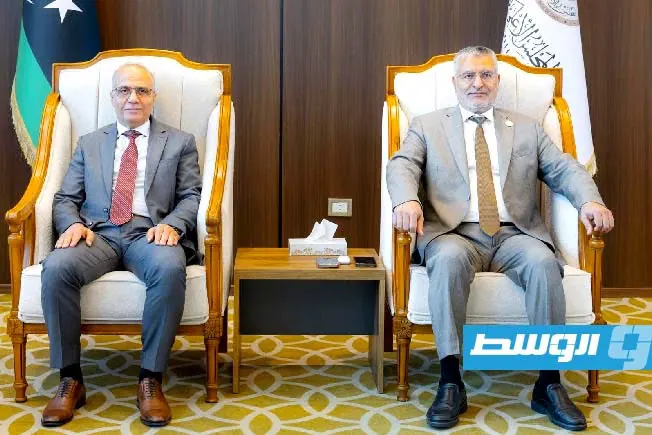
Libyan political leaders, including Mohamed Takkala and Abdullah Al-Lafi, have stressed the need to respect Libya's national ownership of its political process. In a meeting at the headquarters of the High Council of State in Tripoli, they emphasized the importance of adhering to the country's constitutional and legal frameworks. This comes as the country continues to face challenges in its transition to a more stable and democratic government.
The meeting between Takkala and Al-Lafi was part of their ongoing consultations and coordination on national issues of priority. They discussed the latest developments in the political, economic, and security spheres, as well as the efforts being made to move the political process forward. The two leaders emphasized that resolving Libya's crisis is a national responsibility and that a sustainable solution can only be achieved through national ownership and adherence to the country's legal and constitutional frameworks.
Takkala and Al-Lafi also discussed the need to support the unification of state institutions, particularly the military and security institutions, on a national and professional basis. This, they believe, will help to strengthen the country's sovereignty and support security and stability across the country. They also touched on a number of local, regional, and international issues of common interest.
The two leaders' stance on the political process is in contrast to some other Libyan politicians who are pushing for a more rapid transition to a new government. Takkala and Al-Lafi, along with other leaders, have expressed concerns about the exclusion of key political institutions from the decision-making process. They believe that any solution to the crisis must be based on national consensus and must respect Libya's constitutional and legal frameworks.
The Libyan political process has been stalled for some time due to ongoing divisions between the country's main institutions. The UN Mission in Libya, led by Hannah Tietze, has been working to help the parties find a way forward. However, the process has been slow, and there are concerns that the country may be heading for further instability.
Despite these challenges, Takkala and Al-Lafi remain committed to finding a peaceful and sustainable solution to the crisis. They have called for all parties to work together to support national institutions and to promote stability and security. This, they believe, will help to create an environment in which Libya can move forward and build a more stable and prosperous future.
The international community has been watching the developments in Libya with concern. The country has been in a state of turmoil since the overthrow of Muammar Gaddafi in 2011. The ongoing divisions between the country's main institutions have created a power vacuum that has been exploited by extremist groups. The international community has called for all parties to work together to support a peaceful and stable solution to the crisis.
Key points
- - Libyan leaders emphasize national ownership in the political process. - The country's constitutional and legal frameworks must be respected. - A sustainable solution to the crisis can only be achieved through national consensus.