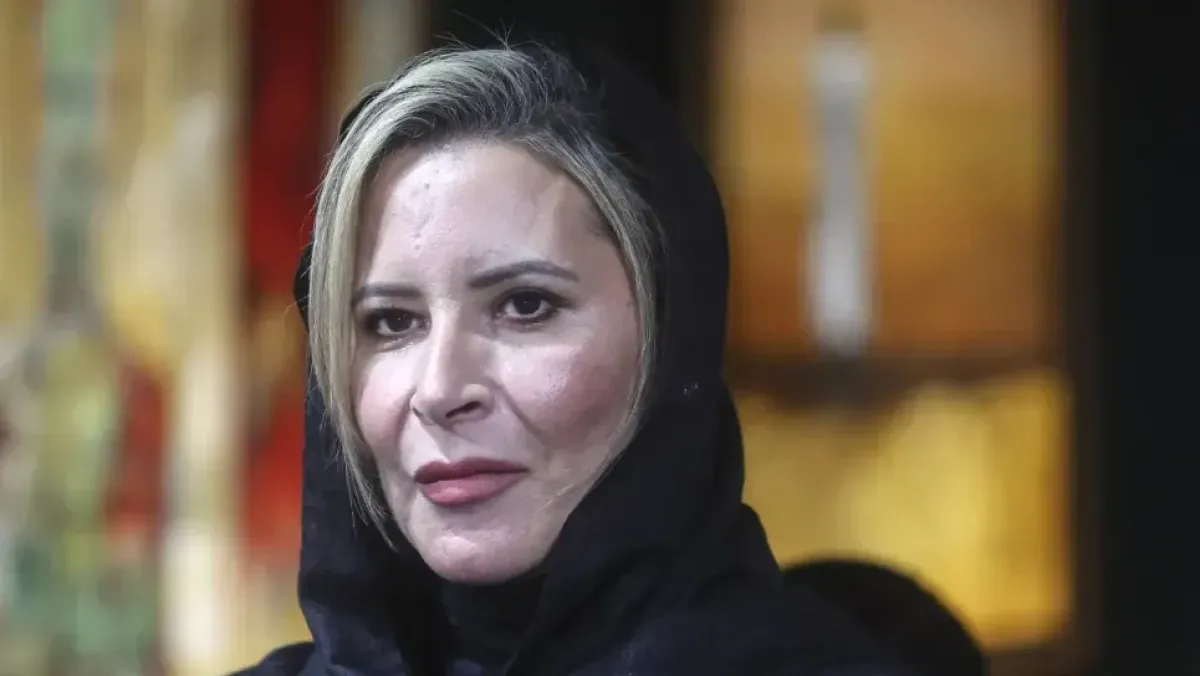
The Libyan political scene is abuzz with anticipation following a recent surge in popularity for Ayesha Muammar Gaddafi. According to a recent poll, she has emerged as a frontrunner, sparking questions about her potential to unite the country's warring factions. Her rise has been met with interest from various quarters, with many wondering if she can bring about a much-needed change in the country's politics.
Libyan political analyst Nasser Ammar believes Ayesha's emergence is a significant development for supporters of the former Gaddafi regime. He thinks her presence could provide an opportunity for them to reorganize and overcome years of division. According to Ammar, her leadership could lead to a more unified front under a single leader, ending the current state of fragmentation.
Ayesha's strengths, according to Ammar, lie not only in her family background but also in her legal and political credentials. He notes that her clean record, free from any international charges or lawsuits, gives her greater flexibility and a preferential status that could enable her to transition from a symbolic figure to a field leader capable of rallying the masses.
Ammar thinks Ayesha's rise will force a new reality on all active parties, requiring them to prepare for an unconventional political variable. He believes her entry into the competition will not be an easy ride for her opponents, as she can tap into the popular sentiment against the current situation and unite disparate voices behind her family's name.
The shift in attention towards Ayesha, compared to her brother Saif Islam Gaddafi's path in recent years, marks the beginning of a new phase for the Jamahiriya movement. If she decides to participate directly, she could provide a political extension and a more challenging electoral path for the project that her supporters have clung to since 2011.
According to Ammar, the upcoming electoral process, if it takes place, will not be just another round between familiar faces. Instead, it will represent a genuine test for everyone after the entry of figures capable of mobilizing the silent popular bases. He thinks Ayesha's participation will give her a historic opportunity to gather the scattered and redraw large parts of the country's political map.
As Libya prepares for a potential electoral process, the country waits with bated breath to see how Ayesha's rising popularity translates into political action. Her decision to participate or not will undoubtedly have far-reaching implications for the country's future.
Key points
- Ayesha Gaddafi's emergence as a potential leader has sparked questions about her ability to unite Libya's fractured political scene.
- Her clean record and family background give her a unique advantage in the country's politics.
- Ayesha's participation in the electoral process could lead to a significant shift in Libya's political landscape.