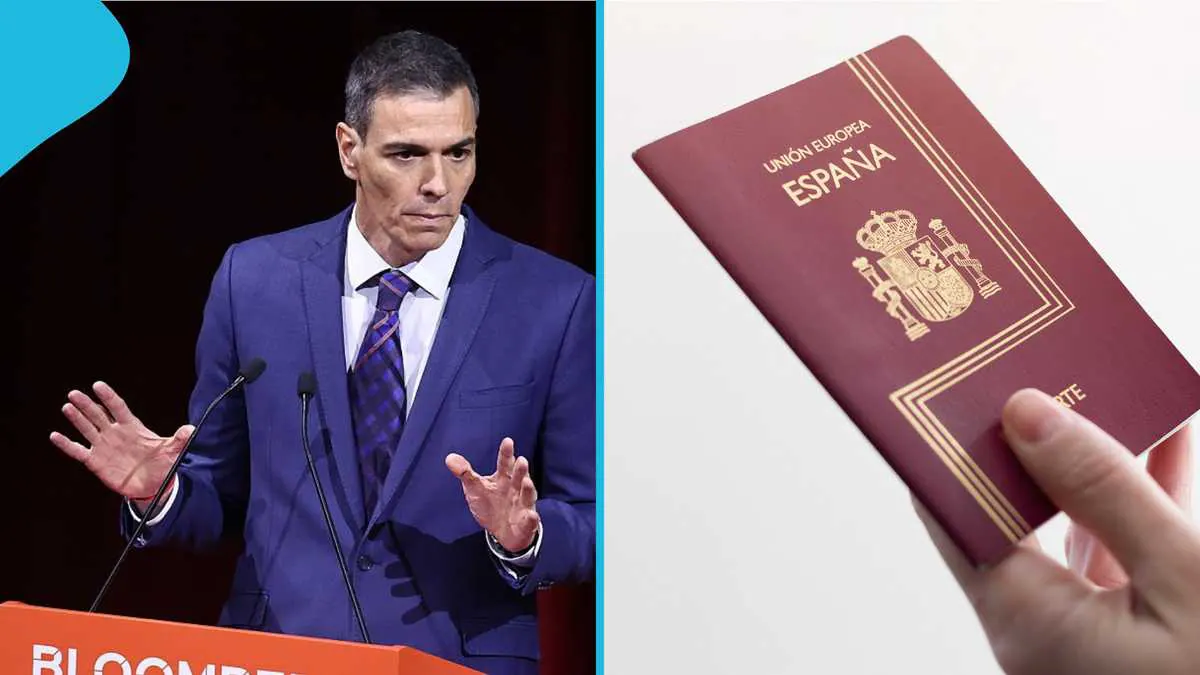
Spain's government has detailed its various residency periods that determine when a foreign national becomes eligible to apply for Spanish citizenship. The required length of stay varies significantly depending on an applicant's background and circumstances. For most foreign nationals, the threshold stands at 10 years of uninterrupted legal residency before an application can be submitted. This information was published on Spain's official government portal.
The clearest departure from the standard decade-long requirement applies to individuals who have been granted refugee status in Spain. Recognised refugees qualify for citizenship after five years of legal residency, cutting the standard waiting period in half. Spain's government identifies this group as the primary exception to the general rule. This shorter pathway acknowledges the unique circumstances of refugees.
Certain nationalities benefit from even shorter pathways to Spanish citizenship. Nationals from Latin American countries, Andorra, the Philippines, Equatorial Guinea, and Portugal, along with people of Sephardic origin, are required to complete only two years of legal residency before they can apply for Spanish nationality. This reduced period reflects Spain's historical and cultural ties with these countries and communities.
Spain also provides a one-year residency route for applicants who meet specific personal criteria. Those born on Spanish soil are eligible, as are individuals who spent at least two consecutive years under the legal custody, guardianship, or foster care of a Spanish citizen or institution. This immediate pathway is designed for individuals with strong connections to Spain.
Additional groups eligible for the one-year residency route include people who are married to a Spanish national at the time of application, provided the marriage has lasted at least one year and there has been no legal or de facto separation. The one-year period also covers widows and widowers of Spanish nationals, where no separation existed at the time of the spouse's death.
Individuals born abroad whose father, mother, or grandparent was originally Spanish are also eligible for the one-year residency route. This provision allows for the retention of Spanish heritage and facilitates citizenship for those with familial ties to the country. Spain's government notes that the residency route remains the most widely used naturalisation procedure among foreign nationals seeking to become Spanish citizens.
The Spanish government's decision to outline these various pathways to citizenship aims to provide clarity for foreign nationals seeking to integrate into Spanish society. By offering multiple routes to citizenship, Spain acknowledges the diverse backgrounds of its immigrant population and seeks to facilitate their integration.
Key points
- Refugees granted protection in Spain qualify for citizenship after just five years.
- Certain nationalities, including those from Latin America and Portugal, can apply for citizenship after two years.
- Individuals married to Spanish nationals or born to Spanish parents can apply for citizenship after one year.