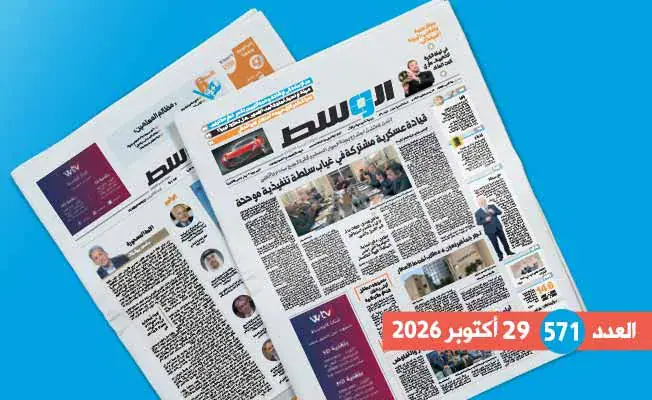
Libya's political scene is experiencing a series of crucial developments. The 571st issue of Al-Wasat newspaper highlights the complexities of the country's current situation. A comprehensive report on the front page discusses the prospects of a joint military leadership in the absence of a unified executive authority. This comes as talks between four Libyan parties in London concluded without an agreement.
The London talks, often referred to as "4+4," aimed to find a solution to Libya's ongoing political crisis but ended without a breakthrough. Meanwhile, Turkey is making efforts to unify Libya's military institution through several meetings. One recent meeting in Ankara brought together Sadam Hafter and Abdel Salam Al-Zubi. Turkish Foreign Minister Hakan Fidan stated that the time has come to end the division between the eastern and western powers in Libya.
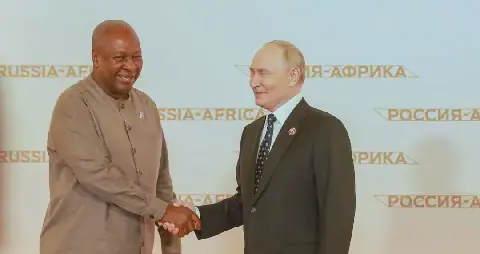
In a related development, Libyan Presidential Council head Mohamed Al-Menfi participated in two summits in Russia, where he held bilateral talks with President Vladimir Putin. Putin reiterated Russia's support for Libya's political process, emphasizing the need for a Libyan-led solution. This development may signal a shift in international engagement, with Russia positioning itself as a key player in Libya's future.
The issue of Libya's economic stability also garnered significant attention. A report in Al-Wasat warns of the potential for economic instability, likening Libya's situation to that of Venezuela. The country's reliance on oil revenue and the ongoing conflict have raised concerns about its economic future. Furthermore, the struggle for control over the Central Bank of Libya has added to the economic uncertainty.
On the social front, a program aimed at enhancing the dialogue and negotiation skills of young Libyans has been launched. The initiative, supported by the international community, seeks to empower Libya's youth to contribute to the country's peace and stability efforts. This program reflects a broader recognition of the need for inclusive and participatory approaches to Libya's reconciliation.
Weather conditions in Libya are also a concern, with recent warnings issued about continued unpredictable weather patterns. A low-pressure system south of Italy is expected to impact the country, highlighting the vulnerability of Libya's infrastructure to extreme weather events.
Finally, Libya's international engagement continues to evolve. The country is set to play a more significant role in regional and international forums, including discussions on energy security and economic development. As Libya navigates its complex political and economic landscape, the international community remains engaged, with various countries and organizations offering support for the country's stabilization efforts.
Key points
- - Libya's political and military leaders are working towards a unified military leadership. - The country's economic stability is a significant concern, with the ongoing conflict and reliance on oil revenue posing challenges. - International engagement, including from Russia and Turkey, continues to shape Libya's political and economic trajectory.