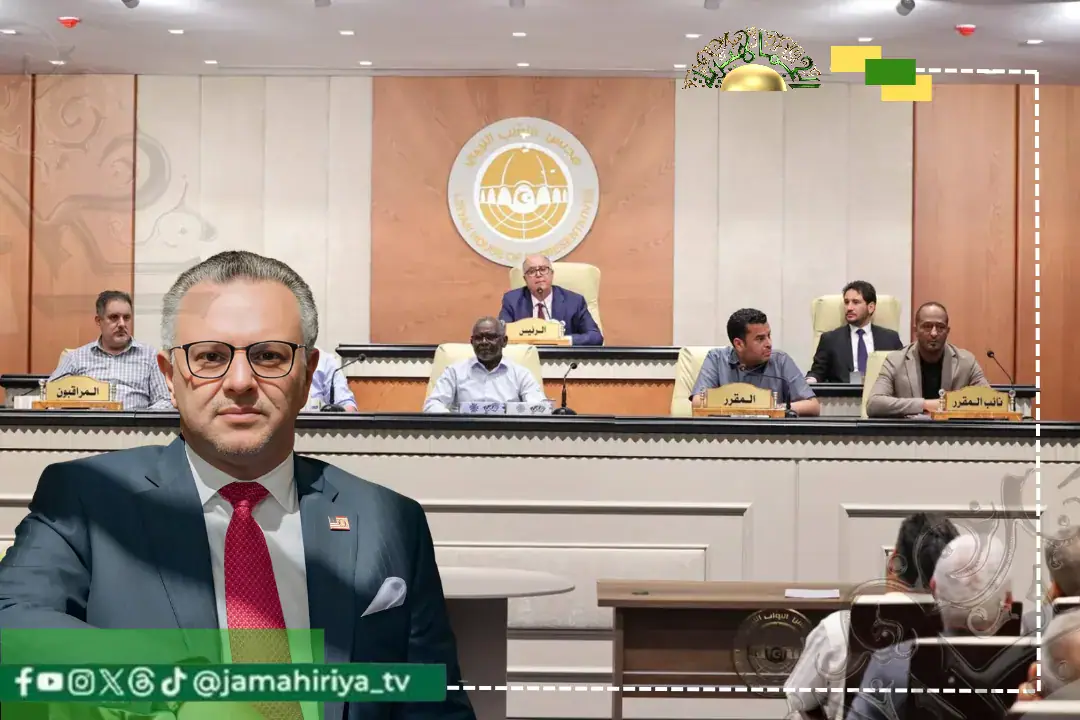
A scheduled session of Libya's House of Representatives in Az-Zintan city on November 16, 2026, was disrupted after several lawmakers were prevented from entering the city. This development has raised concerns about the deepening political divide in the country. The session was part of efforts to bridge the gap between eastern and western Libya. Earlier, in early November, the House of Representatives held an extraordinary session in Sabha, where they announced plans to convene in Az-Zintan.
The Speaker of the House of Representatives, Saleh Abdul Nabi, stated that the goal was to overcome the divisions and unify the country's sovereign and executive institutions, paving the way for elections. However, the latest developments have cast doubt on these efforts. In response to the disruption, the Prime Minister appointed by the House of Representatives, Osama Hamad, threatened to activate administrative and financial independence for areas under his government's control.
The incident has been viewed as a serious escalation aimed at undermining the country's institutions. The House of Representatives has also postponed discussing a unified salary scale and the general budget for another week, allowing the Planning and Finance Committee to finalize the projects. This delay is likely to exacerbate the existing tensions and challenges facing the country.
The developments coincide with US efforts to implement a plan by President's special adviser, Masood Bols, which involves power-sharing between the families of Abdul Hamid al-Dbeibah and Khalifa Haftar. Under the plan, al-Dbeibah would continue to head the proposed government, while Sadam Haftar would assume the presidency of the Presidential Council.
The US has intensified its diplomatic and military engagement with Libyan parties, with the Commander of the US Africa Command (AFRICOM), General Dagvin Anderson, visiting Tripoli and meeting with al-Dbeibah and other military and security officials. These efforts aim to support a peaceful resolution to the Libyan crisis.
The Az-Zintan session crisis reflects the ongoing political and military divisions in Libya, as well as the challenges facing international efforts to facilitate a peaceful resolution and hold elections. Despite these challenges, the international community remains committed to supporting a peaceful and stable Libya.
The situation in Libya remains complex, with multiple stakeholders and competing interests at play. The country's future hangs in the balance, as the international community continues to push for a peaceful resolution to the crisis. The implementation of the US plan and the response of various Libyan parties will be crucial in determining the country's trajectory.
Key points
- The disrupted session in Az-Zintan has deepened the political divide in Libya, casting doubt on efforts to unify the country's institutions.
- The US is pushing for a power-sharing plan between the families of Abdul Hamid al-Dbeibah and Khalifa Haftar.
- The international community remains committed to supporting a peaceful and stable Libya.
Reporting sources
- تقرير| تعثر جلسة الزنتان يعمق الانقسام السياسي ويفشل خطة مسعد بولس · Aljamahiriya TV