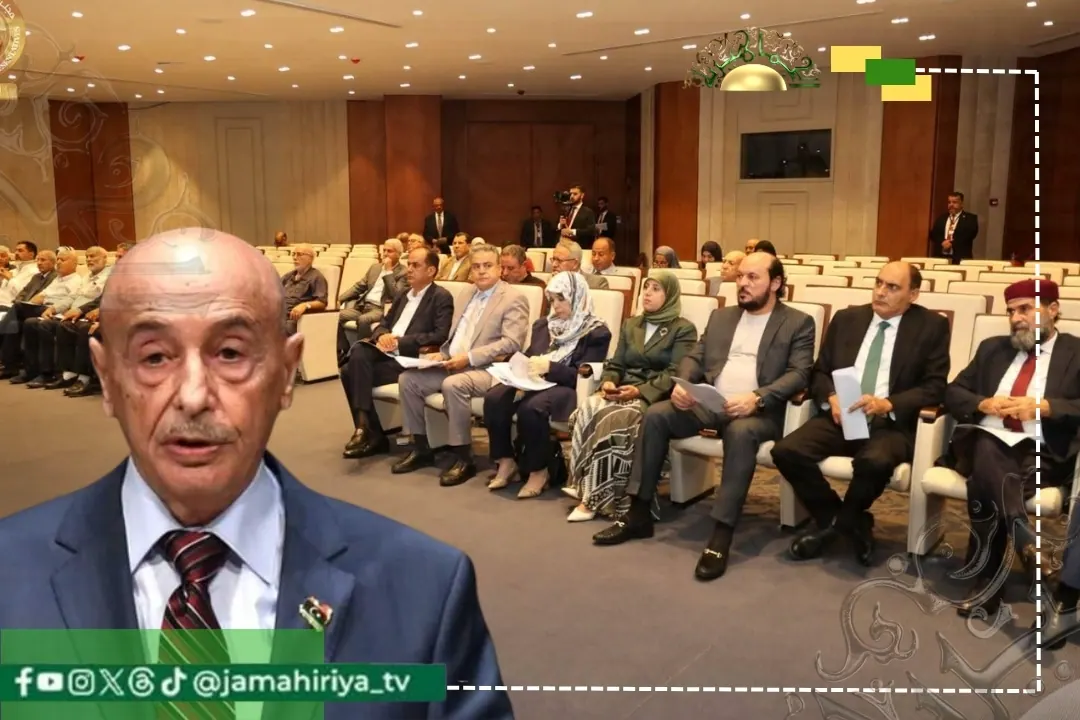
Libya's parliament, the House of Representatives, has become embroiled in a deepening crisis as factions opposed to long-time leader Aqeela Saleh move to oust him, sparking concerns about legislative gridlock. Saleh has led the parliament for over 12 years. The crisis escalated after 86 lawmakers were barred from entering the parliament building in eastern Libya by a military force loyal to the authorities.
The banned lawmakers had planned to hold a session to discuss reforms and amend the parliament's internal regulations. They vowed to continue their efforts to achieve the desired reforms, ensuring the parliament's regular functioning and respect for its bylaws and members' will. The move to oust Saleh has created divisions within the parliament, with some lawmakers supporting the change and others opposing it.
According to sources, the divisions center on demands for changes within the parliament, including its leadership. The rift has raised fears that the parliament may be plunged into legislative and constitutional paralysis. A source close to the parliament expressed concern that the heightened polarization could lead to challenges against legislation passed by the parliament.
The crisis may also undermine efforts to convert agreements reached by the 4+4 committee on electoral laws into amendments to be incorporated into the constitutional declaration. The committee, comprising members from the House of Representatives and the State Council, had sought to reach a consensus on the laws. The current divisions may limit the prospects of achieving this goal.
The military force that blocked the lawmakers from entering the parliament building is reportedly loyal to the authorities in eastern Libya. The incident has highlighted the deep-seated divisions within the country's legislative body. Aqeela Saleh's leadership has been a subject of controversy, with many lawmakers seeking to change the parliament's internal regulations to facilitate his ouster.
The developments have sparked concerns about the impact on Libya's fragile political landscape. The country's transition to stability and democracy remains precarious, with various factions vying for influence. The crisis within the parliament may have far-reaching consequences, potentially affecting the country's ability to hold elections and move towards a more stable future.
Despite the challenges, lawmakers opposed to Saleh's leadership remain determined to push for reforms. They argue that the changes are necessary to ensure the parliament's effectiveness and legitimacy. The situation remains fluid, with the outcome uncertain. The international community is closely watching the developments, urging restraint and dialogue to resolve the crisis.
Key points
- Factions within Libya's parliament are vying to oust long-time leader Aqeela Saleh, threatening legislative paralysis.
- The crisis has raised concerns about the impact on Libya's fragile political landscape and transition to stability and democracy.
- The divisions within the parliament may undermine efforts to convert agreements on electoral laws into amendments to be incorporated into the constitutional declaration.