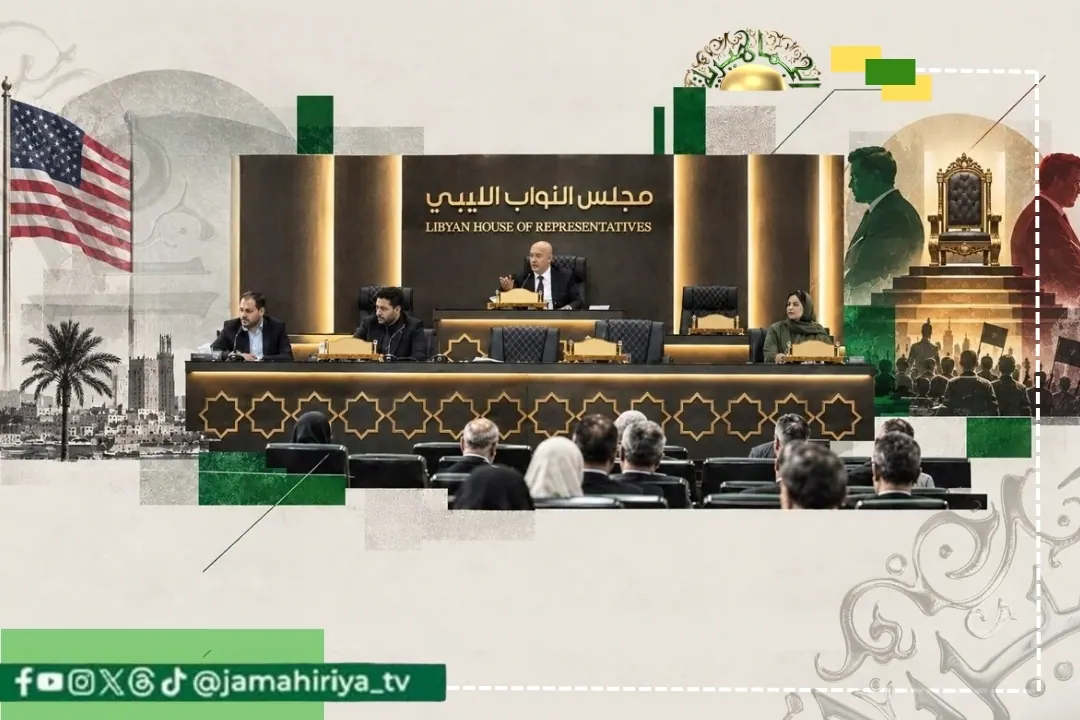
A deepening crisis within Libya's House of Representatives has exposed a complex power struggle that extends beyond a simple disagreement over the body's leadership. According to sources close to the matter, the conflict has pitted a group of lawmakers against the current leadership, led by Aguila Saleh, who has been at the helm since 2014. The dispute centers on proposed changes to the body's internal regulations and the management of the parliament.
The rift has drawn in various factions, including those associated with Khalifa Haftar, a key military leader in eastern Libya. Sources indicate that Haftar's sons, Saddam, Khalid, and Belqasim, hold differing views on the future of the parliament and its role in any upcoming political settlement. This has raised questions about the balance of power within the body and who will control decision-making as Libya navigates a new phase of political negotiations.
Approximately 62 lawmakers have reportedly backed the move to amend the internal regulations, sparking a heated debate over the legitimacy of the effort. Some members have disputed the authenticity of signatures on lists submitted in support of the changes, further complicating the situation. This has become a critical aspect of the procedural battle within the parliament.
The conflict is not merely about the leadership of the parliament but also about the role of Libya's institutions in the east within any future political arrangement. The current crisis has highlighted the complex interplay of power and influence among various factions in eastern Libya. As international and American efforts focus on reorganizing Libya's institutions and power structures, the internal dynamics of the parliament have become increasingly significant.
The situation has also underscored the importance of the parliament's leadership in any future power-sharing agreement. Aguila Saleh's position has become a focal point in the struggle, with some factions pushing for change and others supporting the status quo. The outcome will likely have far-reaching implications for the distribution of power in eastern Libya.
The divisions within the Haftar camp have also come to the fore, with Saddam Haftar reportedly pushing to expand his influence in political and foreign affairs, while Khalid Haftar has strengthened his military presence. Belqasim Haftar, through the Development and Reconstruction Agency, has emerged as a key player in project management and spending.
As Libya navigates this complex landscape, the future of its institutions and leadership remains uncertain. The struggle within the House of Representatives is a critical aspect of the broader efforts to stabilize and rebuild the country. The outcome will likely have significant implications for Libya's political and institutional development in the years to come.
Key points
- The crisis within Libya's House of Representatives has exposed a complex power struggle over the body's leadership and its role in future political arrangements.