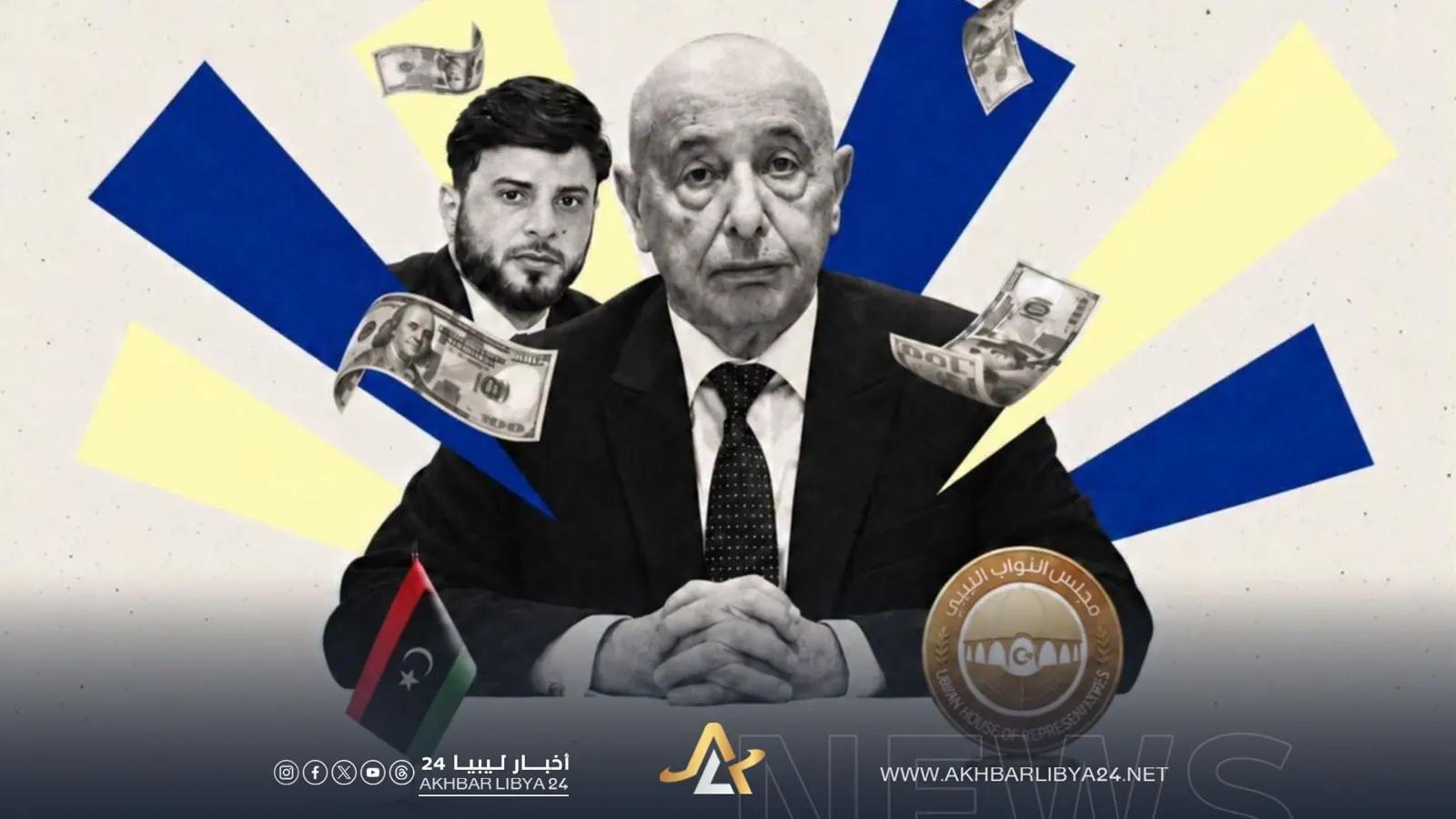
The Libyan House of Representatives is embroiled in a leadership crisis as 86 lawmakers attempted to hold a session to amend internal regulations, allowing for the re-election of the leadership. However, they were prevented from entering the building by armed vehicles and security personnel. The move is part of a broader power struggle within the House, with some lawmakers pushing for changes to the leadership and others resisting.
The crisis has been brewing for some time, with critics of House Speaker Aguila Saleh accusing him of manipulating procedures to extend his stay in office. Saleh has been in the position since August 2014, and his tenure has been marked by controversy and power struggles. The House has faced criticism for its handling of the electoral process and its failure to pass key legislation.
The latest developments have sparked concerns about the stability of Libya's fragile political system. The country has struggled to establish a functioning government since the ousting of Muammar Gaddafi in 2011. The House of Representatives has been criticized for its inability to pass key legislation and its role in perpetuating the country's divisions.
According to Abdullah Bleyigh, the House's spokesperson, there was no official invitation for a session on Monday, and the security measures in place were routine. However, the opposition claims that the move to amend internal regulations is aimed at paving the way for Saleh's removal. The situation remains tense, with both sides dug in and unwilling to compromise.
The budget of the House of Representatives has also come under scrutiny, with some lawmakers accusing Saleh of misusing funds to maintain his grip on power. The House's annual budget is reportedly over 100 million Libyan dinars, sparking concerns about transparency and accountability. Critics argue that the funds could be better spent on essential public services.
The power struggle within the House has significant implications for Libya's future. The country is struggling to rebuild after years of conflict, and a stable and functioning government is essential for progress. The international community is watching closely, with the United Nations and other foreign powers urging Libyan leaders to find a peaceful resolution to the crisis.
The outcome of the crisis remains uncertain, with both sides showing no signs of backing down. The situation has sparked fears of further instability and division, which could have far-reaching consequences for Libya and the wider region. A peaceful resolution to the crisis is essential to ensure the country's continued progress and stability.
Key points
- The crisis has sparked concerns about the stability of Libya's fragile political system.
- The budget of the House of Representatives has come under scrutiny, with some lawmakers accusing Saleh of misusing funds.
- A peaceful resolution to the crisis is essential to ensure the country's continued progress and stability.