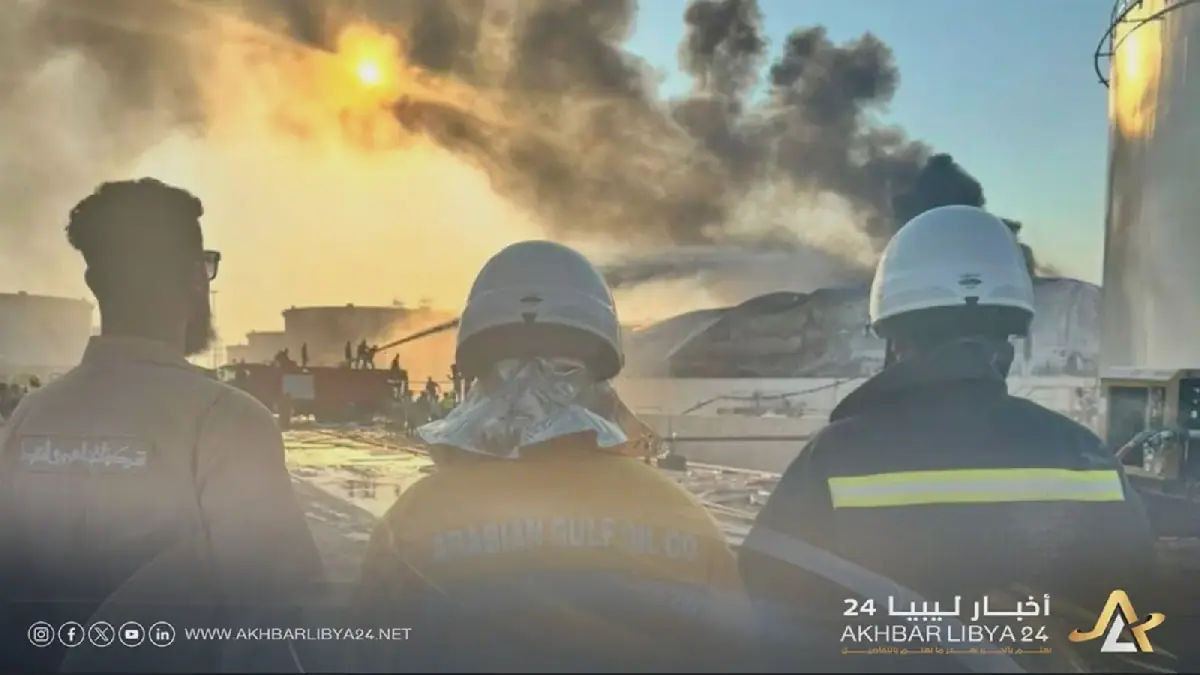
Libya's oil sector is facing a critical test of safety and rights as unions raise concerns over delayed budgets and inadequate maintenance. A recent incident at the Marsa al-Brega gas complex, which resulted in the death of an Egyptian worker and injured four others, has highlighted the challenges facing the sector. The incident has brought attention to the need for regular maintenance and adequate safety measures in Libya's oil and gas facilities.
Unions representing oil workers have issued a statement calling for accountability and improved working conditions. They argue that the repeated accidents, coupled with delays in implementing routine maintenance and addressing equipment deficiencies, are linked to the problem of delayed budget allocations. The unions stress that the lack of timely funding not only affects production efficiency but also poses significant risks to the safety of workers and facilities.
The Libyan government, led by Prime Minister Abdul Hamid al-Dbeiba, is under pressure to address the crisis. The government's failure to provide clear answers on managing public resources and prioritizing spending has raised concerns. The oil sector, which is the backbone of Libya's economy, cannot afford to be held hostage by administrative delays and political divisions.
The unions have outlined seven key demands, including the immediate release of oil and gas sector budgets, provision of necessary operating, maintenance, and development funds, and protection of workers' salaries and rights. They also reject any unified salary scale that would lead to wage cuts or erosion of benefits, emphasizing the need for fairness and equality.
The unions are also calling for support for national service companies affiliated with the National Oil Corporation, enabling them to exercise their expertise and prioritize their role in implementing works and services. This demand is crucial in preserving state assets, enhancing local capabilities, and safeguarding job opportunities.
The safety and health of workers are a major concern, with the unions demanding implementation of effective and continuous preventive maintenance programs, provision of spare parts, equipment, and personal protective gear, and a comprehensive review of oil facility readiness. They also call for accountability for those responsible for negligence in implementing worker safety and facility protection duties.
The unions' demands reflect a broader call for partnership in decision-making, with worker representatives and unions to be involved in discussing policies and decisions affecting the oil sector and workers' rights. This approach aims to improve performance, prevent decisions that may harm sector stability or workers' rights, and provide legal channels for negotiating wages, benefits, and working conditions.
Key points
- Libya's oil sector faces a safety and rights crisis due to delayed budgets and inadequate maintenance.
- Unions representing oil workers are calling for accountability, improved working conditions, and protection of workers' rights.
- The Libyan government is under pressure to address the crisis and prioritize spending on the oil sector.