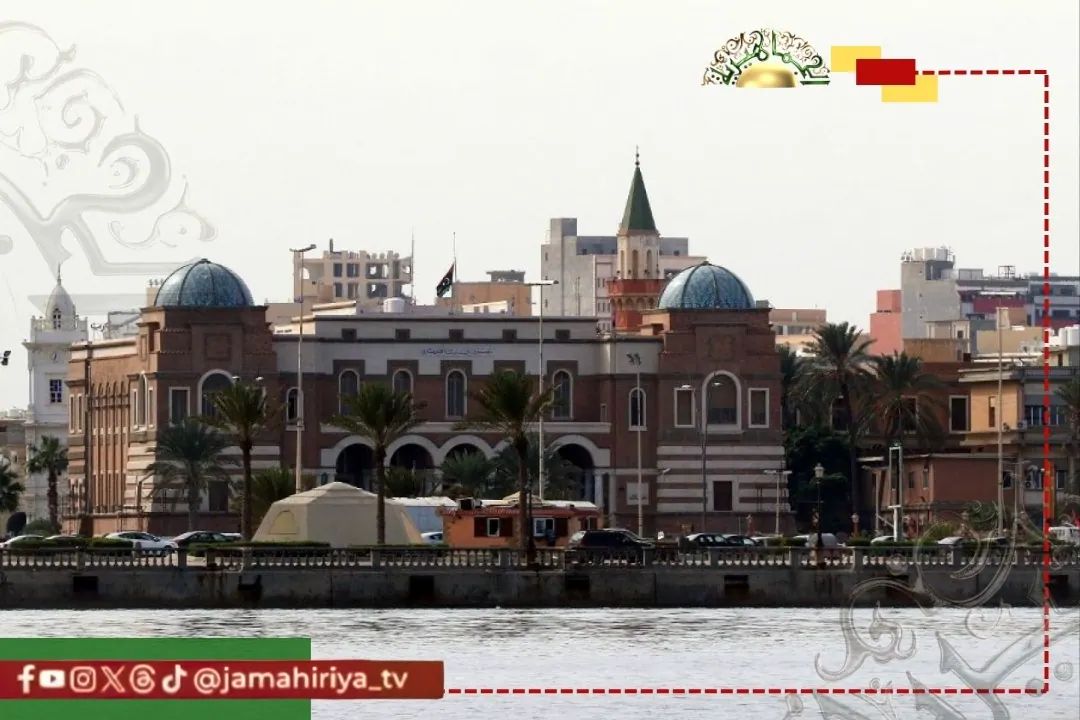
The Central Bank of Libya released its monthly statement on public revenues and expenditures, covering the period from January 1 to September 30, 2026. The report aims to promote transparency and disclosure regarding the country's economic and financial situation. According to the statement, oil revenues reached 114.5 billion Libyan dinars during the first nine months of 2026.
The report also revealed that total public expenditures stood at 88.6 billion dinars during the same period. This information provides valuable insights into Libya's financial performance, particularly in the oil sector, which is a significant contributor to the country's economy. The Central Bank of Libya has been working to enhance transparency and accountability in the management of public finances.
The oil sector plays a crucial role in Libya's economy, and the country's central bank has been monitoring the sector's performance closely. The 114.5 billion dinars in oil revenues represent a significant portion of Libya's total income. The central bank's report provides a comprehensive overview of the country's financial situation, including revenues and expenditures.
The Central Bank of Libya's report comes at a time when the country is working to stabilize its economy and rebuild its institutions. The bank has been playing a key role in promoting economic stability and transparency. The report's findings are expected to inform policy decisions and help stakeholders understand the country's economic performance.
Libya's economy has faced significant challenges in recent years, including the impact of conflict and instability on the oil sector. However, the country's central bank has been working to mitigate these effects and promote economic recovery. The 114.5 billion dinars in oil revenues represent a positive development for the country's economy.
The Central Bank of Libya's report also highlighted the country's budget performance during the first nine months of 2026. According to the report, the country's budget performance was influenced by various factors, including oil revenues and public expenditures. The report provides a detailed analysis of the country's financial situation, including revenues, expenditures, and budget performance.
In related news, the Central Bank of Libya reported a deficit of 4.7 billion dollars between revenues and expenditures during the first nine months of 2026. This deficit highlights the need for continued efforts to promote economic stability and improve the country's financial performance. The central bank's report provides valuable insights into Libya's economic situation and is expected to inform policy decisions.
Key points
- Oil revenues reached 114.5 billion Libyan dinars during the first nine months of 2026.
- Total public expenditures stood at 88.6 billion dinars during the same period.
- The Central Bank of Libya reported a deficit of 4.7 billion dollars between revenues and expenditures during the first nine months of 2026.