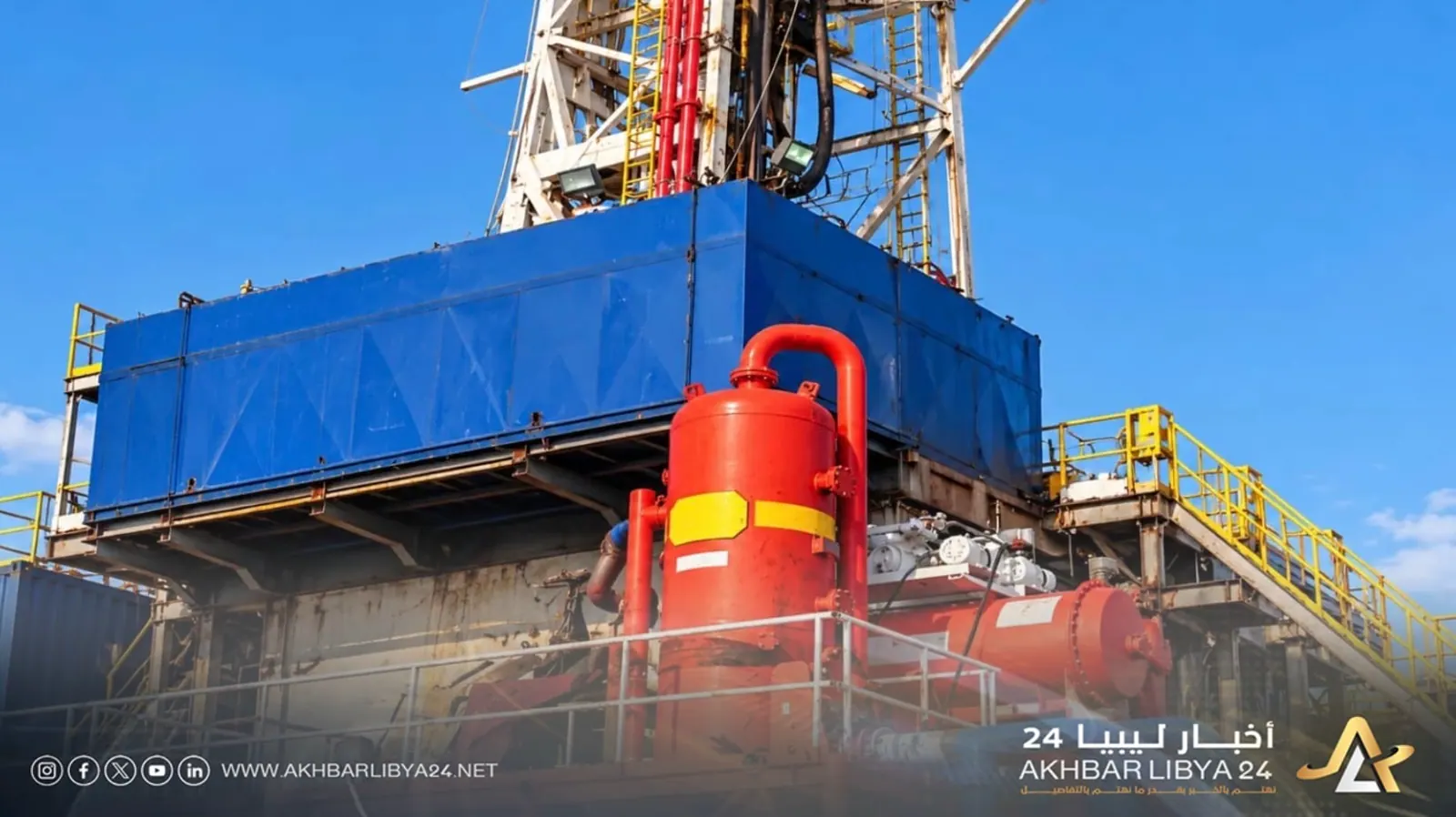
The Libyan oil sector has seen a significant boost with the reactivation of the Majed well, operated by the Arabian Gulf Oil Company. The well, which had been out of service for over nine years, has resumed production at a rate of approximately 5,322 barrels per day. This development is a welcome increase for Libya's oil production, which has faced numerous challenges in recent years. The reactivation of the well is part of efforts to restore the country's oil production capacity.
The Arabian Gulf Oil Company, a subsidiary of the National Oil Corporation (NOC), announced the reactivation of the well, which is located in the Majed field. According to company officials, the well's return to production was made possible after a lengthy period of maintenance and repairs. The reactivation of the well not only increases Libya's oil production but also demonstrates the potential for reactivating other idle wells in the country.
The increase in oil production is crucial for Libya's economy, which remains heavily reliant on the oil and gas sector. According to the World Bank, in 2024, hydrocarbons accounted for approximately 65% of Libya's GDP, 93% of its exports, and 72% of its revenues. The reactivation of the Majed well will contribute to Libya's economy, but experts emphasize that sustainable economic growth requires diversification and efficient management of public finances.
The reactivation of the Majed well is a positive development for Libya's oil sector, which has faced significant challenges since 2011. The sector has been impacted by a series of political, security, and technical issues, leading to production disruptions and declines. The NOC has emphasized the importance of maintaining and developing the country's oil infrastructure to ensure stable production and maximize revenue.
The Libyan economy is heavily dependent on the oil and gas sector, with over 90% of the country's income linked to the sector. Therefore, any increase in production has the potential to positively impact the country's finances. However, experts stress that efficient management of public finances and targeted spending are essential to translate increased revenue into improved services and economic opportunities for Libyans.
The United Nations Support Mission in Libya has warned that any actions targeting the energy infrastructure could lead to losses in production and public revenue, as well as impact fuel and electricity supplies. In this context, the reactivation of the Majed well highlights the importance of protecting and maintaining Libya's oil infrastructure to ensure stable production and maximize revenue.
The reactivation of the Majed well demonstrates the potential for increasing Libya's oil production through the rehabilitation and maintenance of existing infrastructure. The NOC has emphasized its commitment to developing the country's oil sector and maximizing production. The reactivation of the well is a positive step towards achieving these goals, but experts stress that sustained efforts are needed to address the sector's challenges and ensure long-term stability.
Key points
- The reactivation of the Majed well adds over 5,300 barrels per day to Libya's oil production.
- The Libyan economy remains heavily reliant on the oil and gas sector.
- The reactivation of the well demonstrates the potential for increasing production through infrastructure rehabilitation and maintenance.