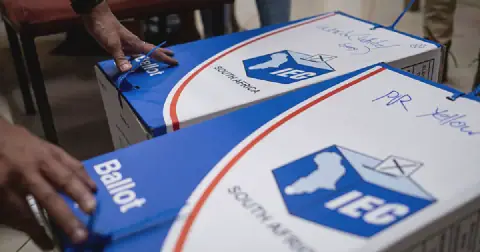
On Monday, November 1, 2026, Israel concluded its parliamentary elections, which saw a notable increase in Arab representation in the Knesset, Israel's parliament. According to reports from various sources, including Wasat TV, the elections resulted in a fragmented parliament with no single party achieving an absolute majority. This outcome necessitates the formation of a coalition government, with Arab votes likely to play a crucial role in determining the next administration.
The elections saw a significant turnout of Arab voters, which contributed to a higher number of Arab lawmakers being elected to the Knesset. Analysts attribute this increase in Arab representation to a growing awareness and determination among Arab citizens to participate in the electoral process, despite facing various challenges. This development is seen as a positive step towards greater inclusivity and representation in Israeli politics.
The outcome of the elections has significant implications for Israeli politics, particularly in light of the country's ongoing challenges. The incoming government will need to navigate complex issues, including relations with neighboring countries and the Palestinian population. The increased presence of Arab lawmakers in the Knesset is expected to influence policy discussions and decision-making processes.
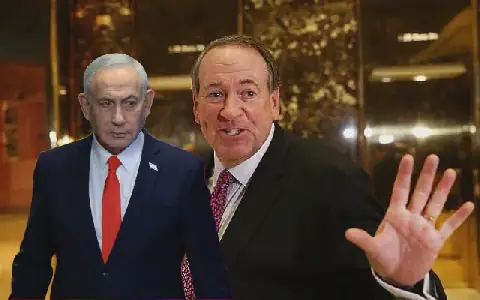
The elections also highlighted the complexities of Israeli politics, with various parties vying for power and influence. The Likud party, led by Benjamin Netanyahu, faces significant challenges in forming a coalition government. The rise of Arab representation in the Knesset may impact Netanyahu's ability to secure a coalition, potentially altering the balance of power in Israeli politics.
The increased representation of Arab lawmakers in the Knesset has been welcomed by some as a positive development towards greater inclusivity and representation. However, others have expressed concerns about the potential implications for Israeli politics and society. The role of Arab lawmakers in the Knesset will be closely watched in the coming months and years.
The elections have also sparked reflections on the role of media and communication in shaping public opinion and influencing electoral outcomes. Some commentators have noted the significant role played by media outlets in promoting certain narratives and agendas during the election campaign. The intersection of media, politics, and society will likely remain a topic of interest in the aftermath of the elections.
As Israel navigates the complexities of forming a new government, the international community will be watching closely for signs of change and continuity. The implications of the elections for regional and global politics will be significant, particularly in light of ongoing conflicts and challenges. The voice of Arab lawmakers in the Knesset may play a crucial role in shaping Israel's engagement with the wider world.
Key points
- The recent Israeli parliamentary elections saw a notable increase in Arab representation in the Knesset.