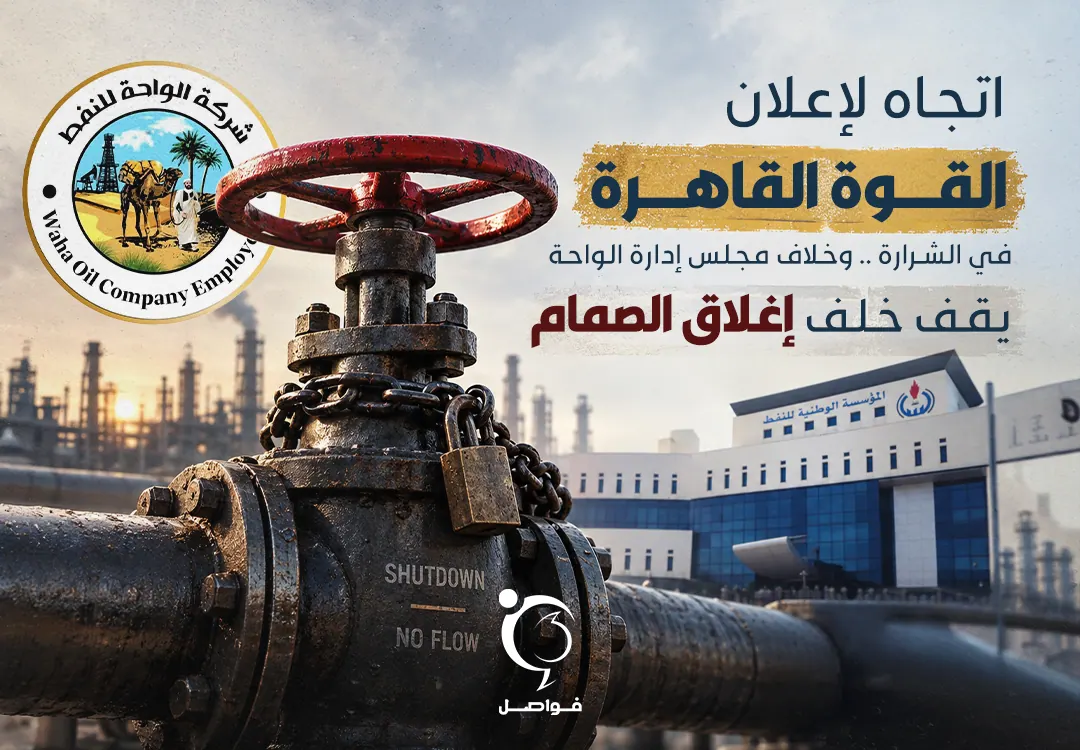
The National Oil Corporation (NOC) of Libya is contemplating declaring force majeure on operations at the Sharara oil field and its transportation pipeline. This move is a precautionary measure to protect the corporation from potential legal claims resulting from the halt in production and transportation. The decision to consider force majeure comes as a valve, crucial for the field's operations, remains closed.
The closure of valve number 7 in the Hamada area has significantly impacted the Sharara field's production. According to NOC's chairman, Masoud Suleiman, production has dwindled to 80-90 thousand barrels per day from a potential 340 thousand barrels per day. The NOC has warned that continued closure could affect not only Sharara's production but also crude oil transportation and exports, potentially impacting the Zawiya refinery and increasing fuel import costs.
The dispute behind the valve's closure is linked to a controversy over the change in management at the Waha Oil Company. The previous management board was replaced, but some groups, including elements of the oil facility guards in Zentan, are opposing the decision. There are indications that some within the NOC are supporting the stance of those opposing the change in Waha Oil's management, citing concerns over decisions made by the new administration.
The Waha Oil Company, wholly owned by the NOC, operates the concessions with foreign partners Total and ConocoPhillips holding a combined 40.84% stake. The NOC's share stands at 59.16%. The concessions have recently entered a new investment phase following an agreement to extend the concessions until 2050, with plans to boost production and develop new fields, including the North Gialo field.
The ongoing turmoil in production operations affects not just the NOC and Waha Oil but also the interests of foreign partners and Libya's exports. The NOC is seeking long-term international investments to develop production. The closure of the valve has drastically reduced Sharara's production, with some crude being rerouted to the Mellitah complex. The NOC faces the option of declaring force majeure to avoid legal or financial repercussions.
The implications of the valve's closure and potential force majeure declaration extend beyond internal Libyan affairs, affecting the country's oil exports and the economy. The situation highlights the challenges facing Libya's oil sector, including infrastructure disputes and the impact on foreign investment. The NOC and stakeholders are closely monitoring the situation, seeking a resolution that would minimize disruptions to production and exports.
As the situation unfolds, the NOC's decision on whether to declare force majeure will have significant implications for Libya's oil production and economy. The involvement of international partners and the potential for long-term investment in the sector add complexity to the situation. A resolution that addresses the underlying disputes and allows for the resumption of normal operations at the Sharara field is crucial for stabilizing Libya's oil output and meeting its commitments to international partners.
Key points
- The National Oil Corporation considers declaring force majeure on Sharara field due to valve closure.
- Dispute over Waha Oil Company management change leads to valve closure.
- Closure impacts production, exports, and Libya's economy, with implications for foreign investment.