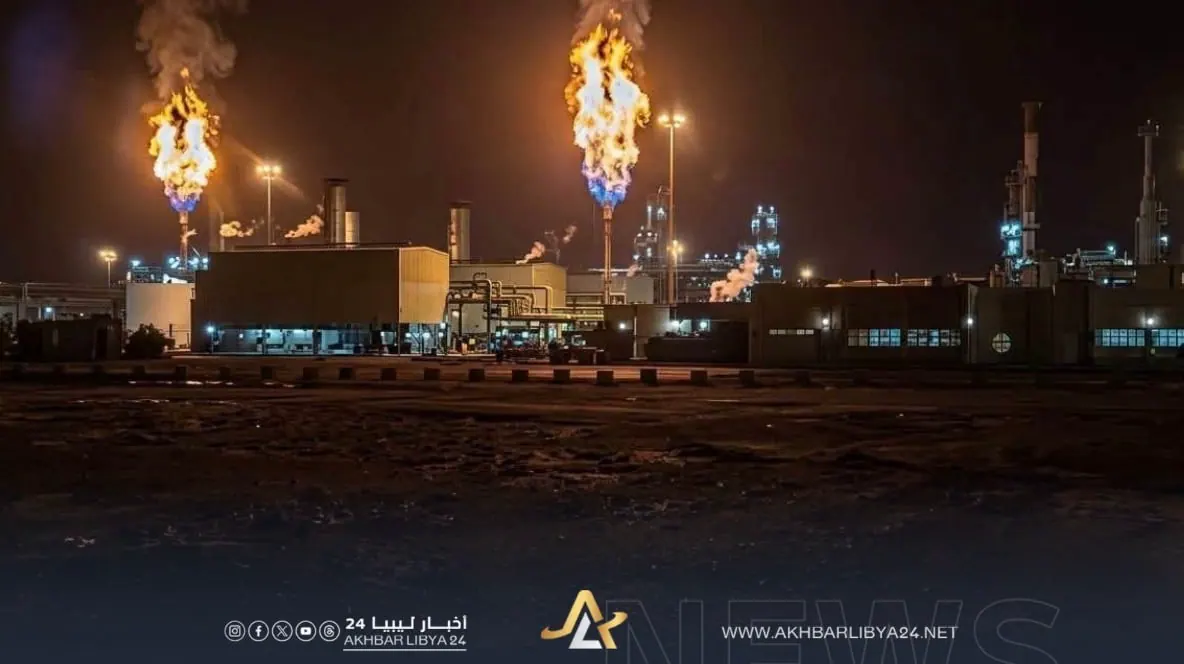
On September 22, 2026, the National Oil Corporation (NOC) of Libya announced that a group of armed individuals had closed valve number 7 of the Sharara oil pipeline, causing a halt in crude oil flow from the Sharara field, operated by Akakus Oil Operations, to the Zawiya port. This closure led to increased pressure within the pipeline, directly impacting production and causing a significant decrease in output from the Sharara field, one of Libya's main oil fields.
The NOC stated that despite their appeals to the Southern Western Region's Oil Facilities Guard to assume their responsibilities and address the situation, no results have been achieved so far. The technical teams of the NOC have been unable to access the area of valves 6 and 7 due to surrounding circumstances. The corporation warned that continued closure of the pipeline would lead to a halt in Sharara field production, disruption of oil transfer and export operations, and a direct impact on the state's general revenues.
The shutdown of the Sharara oil pipeline comes at a time when global oil prices are high, increasing the potential losses to the national economy. The NOC also cautioned that prolonged closure could expose the oil transfer system and its facilities to technical and operational risks. Furthermore, there is a possibility that the Zawiya refinery might stop refining oil, potentially increasing the cost of importing fuel from abroad.
The NOC urged those responsible for closing the pipeline to prioritize national interests, act wisely, and work towards immediately reopening the pipeline. The corporation also called on relevant authorities to assume their responsibilities in securing and protecting oil sites and facilities, keeping them away from any form of protest or demonstration.
The NOC emphasized that oil and its facilities belong to the Libyan people and that protecting these resources and ensuring continued production is a shared national responsibility. The corporation stressed that it might be forced to declare a force majeure situation if the pipeline remains closed.
The Sharara field is one of the main oil-producing fields in Libya, and its shutdown has significant implications for the country's economy. The NOC's warning highlights the critical situation and the need for a swift resolution to the issue. The corporation's appeals to the authorities and those responsible for the closure aim to restore production and maintain the stability of the oil sector.
The situation remains critical as the NOC continues to monitor the situation and assess the impact of the pipeline shutdown on the country's oil production and economy. The corporation's threat to declare force majeure underlines the severity of the situation and the potential consequences of inaction.
Key points
- The National Oil Corporation of Libya warns that continued closure of the Sharara oil pipeline could lead to a halt in production and significant economic losses.
- The shutdown of the pipeline has resulted in a significant decrease in production from the Sharara field, one of Libya's main oil fields.
- The NOC may declare force majeure if the situation is not resolved promptly.