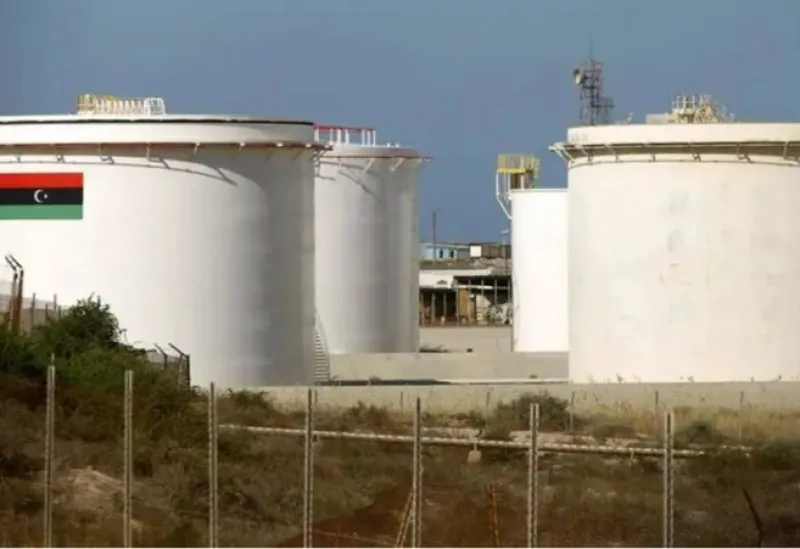
The Libyan National Oil Corporation announced on Saturday that it had halted one of the refining units at the Zawiya refinery due to the ongoing forced closure of a valve on the pipeline transporting crude oil from the Sharara field. This closure has been carried out by armed groups affiliated with the Petroleum Facilities Guard. The corporation stated that the shutdown was necessary to ensure the continued operation of the other refining unit for as long as possible.
The National Oil Corporation warned that continued obstruction of crude oil flow through the main pipeline would negatively impact Libya's overall oil revenues and increase the cost of importing fuel. The corporation also stated that it was studying the possibility of scheduling a shipment of crude oil through one of the ports, either Mellitah or Sidra, to supply the refinery and ensure its continued operation.
The Sharara oil field, located in the Murzuq desert in southwestern Libya, is one of the country's largest oil fields, with a production capacity of between 300,000 and 340,000 barrels per day. The field's production has been affected by the pipeline closure, with the corporation reporting significant losses. As of September 25, the financial losses due to the closure had reached $95 million.
The National Oil Corporation reported that the daily loss of crude oil production from the Sharara field had varied over the past few days, reaching 129,085 barrels on Monday, 259,349 barrels on Tuesday, 235,983 barrels on Wednesday, 237,937 barrels on Thursday, and 222,014 barrels on Friday. The corporation warned that continued obstruction of the pipeline could lead to the shutdown of other refining units, threatening the supply of petroleum products.
The shutdown of the refining unit has raised concerns about the impact on the national economy and the supply of fuel to power plants, particularly in the western region of Libya. The country's power plants, including the West Tripoli and Al-Harsha plants, require daily fuel supplies of around 5,200 cubic meters. The National Oil Corporation is working to mitigate the effects of the pipeline closure and ensure a stable supply of fuel.
The Libyan National Oil Corporation has previously stated that it may be forced to declare a "force majeure" situation if the pipeline closure continues. The corporation is working to find a solution to the crisis and restore the flow of crude oil through the pipeline. The situation remains a challenge for the country's economy, which relies heavily on the oil sector for revenue.
The crisis highlights the ongoing challenges facing Libya's oil sector, which has been affected by the presence of armed groups and the lack of a stable and unified government. The sector's infrastructure, including oil fields and ports, remains under the control of various armed groups, which can disrupt production and exports at any time.
Key points
- The shutdown of the refining unit at the Zawiya refinery has significant implications for Libya's economy and fuel supplies.
- The National Oil Corporation is working to mitigate the effects of the pipeline closure and ensure a stable supply of fuel.
- The crisis highlights the ongoing challenges facing Libya's oil sector, which relies heavily on the sector for revenue.