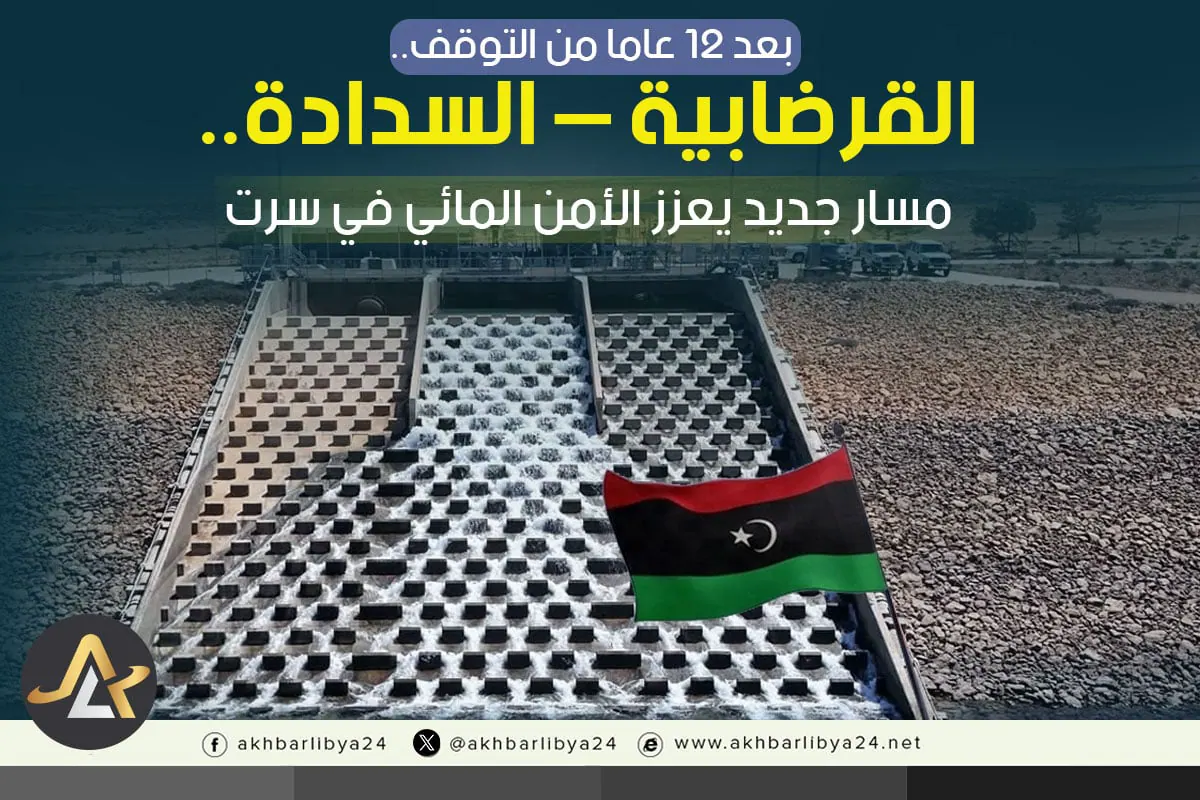
In a significant development, Libya's National Development Device has successfully restored the flow of water to Sirte, a coastal city in eastern Libya, after a 12-year halt. The restoration of the Qarzabiyah-Sadadah pipeline, which was damaged in 2014 due to vandalism and theft, marks a major milestone in the country's efforts to improve its water infrastructure. The pipeline, which spans over 200 kilometers, is expected to provide a reliable source of water to the city.
The National Development Device played a crucial role in reviving the pipeline, which involved supplying the necessary materials, including pipes and valves, to repair and maintain the pipeline. The device's efforts ensured that the pipeline was able to transport water from the Qarzabiyah reservoir to the Sirte storage tank, a distance of over 200 kilometers. The successful restoration of the pipeline is a testament to the device's capabilities and commitment to improving Libya's water infrastructure.
The Qarzabiyah-Sadadah pipeline is a vital component of Libya's water supply system, and its restoration is expected to have a significant impact on the city's water security. The pipeline has the capacity to transport over 1.45 million cubic meters of water, which will help to alleviate the city's water shortages. The restoration of the pipeline is also expected to improve the overall water supply system in Libya, which has been severely impacted by years of conflict and instability.
The National Development Device's efforts to restore the pipeline were carried out in collaboration with other Libyan authorities, including the Libyan National Army and the Water Investment Device. The successful restoration of the pipeline is a result of the collaborative efforts of these authorities, which have been working together to improve Libya's water infrastructure. The restoration of the pipeline is a significant achievement, and it is expected to have a positive impact on the lives of thousands of people in Sirte.
The restoration of the Qarzabiyah-Sadadah pipeline is part of a broader effort to improve Libya's water infrastructure, which has been severely impacted by years of conflict and instability. The pipeline's restoration is expected to improve the overall water supply system in Libya, which has been struggling to meet the needs of its population. The National Development Device's efforts to restore the pipeline are a significant step towards addressing the country's water shortages and improving the lives of its citizens.
The successful restoration of the pipeline has been welcomed by local residents, who have been struggling with water shortages for years. The restoration of the pipeline is expected to provide a reliable source of water to the city, which will help to improve the lives of thousands of people. The National Development Device's efforts to restore the pipeline are a testament to its commitment to improving Libya's water infrastructure and addressing the country's water shortages.
The restoration of the Qarzabiyah-Sadadah pipeline is a significant achievement for Libya's National Development Device, which has been working to improve the country's water infrastructure. The device's efforts to restore the pipeline are part of a broader effort to improve Libya's water supply system, which has been severely impacted by years of conflict and instability. The successful restoration of the pipeline is a significant step towards addressing the country's water shortages and improving the lives of its citizens.
Key points
- The National Development Device has restored the flow of water to Sirte after a 12-year halt, enhancing the city's water security.
- The Qarzabiyah-Sadadah pipeline, which spans over 200 kilometers, is expected to provide a reliable source of water to the city.
- The restoration of the pipeline is part of a broader effort to improve Libya's water infrastructure, which has been severely impacted by years of conflict and instability.