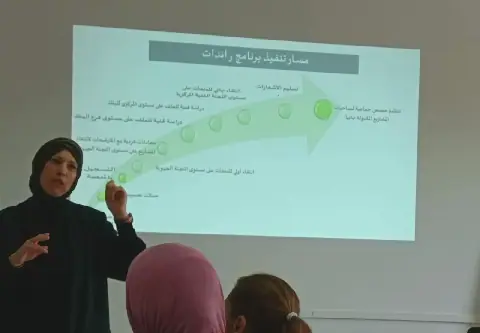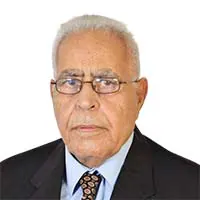
On September 12, Dr. Attia Khalifa Al-Badran presented a lecture titled "Our Mineral Wealth: Reality and Ambition" at a cultural salon organized by the Peace and Prosperity Party. The event drew a crowd of industry and economy enthusiasts, including researchers and experts from specialized centers. Dr. Al-Badran discussed Libya's mineral resources, including gold, iron, and silicon, which are extracted using both modern and traditional methods.
The lecture was attended by individuals who witnessed Libya's industrial development in the 1960s and 1970s, a period marked by significant growth and investment in infrastructure projects. The discovery of oil and subsequent increase in prices led to a surge in consumer spending and ambitious projects. However, the lack of careful planning and coordination between different sectors hindered the effective utilization of Libya's resources.
Dr. Al-Badran highlighted the importance of collaboration between experts and stakeholders to harness Libya's mineral wealth. He encouraged the audience to share their insights and experiences, turning the lecture into a discussion forum. Engineer Khalid Al-Ghweil, with his extensive knowledge of the sector, provided valuable comments and perspectives.
The discussion focused on the challenges facing Libya's industrial sector, including poor management and financial mismanagement. The attendees emphasized the need for a strong and effective leadership to translate recommendations into concrete decisions. They also stressed the importance of separating national and patriotic interests from personal and factional agendas.
Libya's mineral resources, including those found in the regions of Awainat, Shat, and Tebesti, offer significant opportunities for growth and development. However, the country must address its current challenges, including poor governance and lack of investment in the sector. The effective management of these resources could contribute to Libya's economic recovery and future prosperity.
The event demonstrated the importance of dialogue and collaboration between experts, policymakers, and stakeholders to address Libya's economic challenges. The attendees emphasized the need for a comprehensive strategy to harness the country's mineral wealth and promote sustainable development.
The lecture and subsequent discussion highlighted the complexities and challenges facing Libya's industrial sector. The country's mineral wealth offers opportunities for growth, but effective management and leadership are crucial to translating these opportunities into tangible benefits for the Libyan people.
Key points
- Libya's mineral resources offer significant opportunities for growth and development, but effective management and leadership are crucial to harnessing these resources.