The Libyan Patients' Union has raised concerns about the country's dire medical supply situation, with many essential medications in short supply. Union head Mahmoud Aboudbous stated that the lack of security in the pharmaceutical sector has led to a shortage of critical medications, particularly for cancer, diabetes, and kidney disease patients. This shortage poses a significant threat to the lives of thousands of patients across the country.
According to Aboudbous, over 80% of cancer patients in Libya are unable to access their necessary medications. This shortage is particularly evident in major cancer treatment centers in cities such as Sabratha, Misrata, Benghazi, and Tripoli. Many patients are struggling to obtain the treatments they need, exacerbating their health conditions.
The situation for kidney failure patients is also precarious. While there has been some improvement in the availability of certain medications, others remain in short supply. For example, the medication "Benbari" is crucial for around 7,100 kidney failure patients in Libya, but it is currently unavailable. Similarly, "Rinigel" is also in short supply.
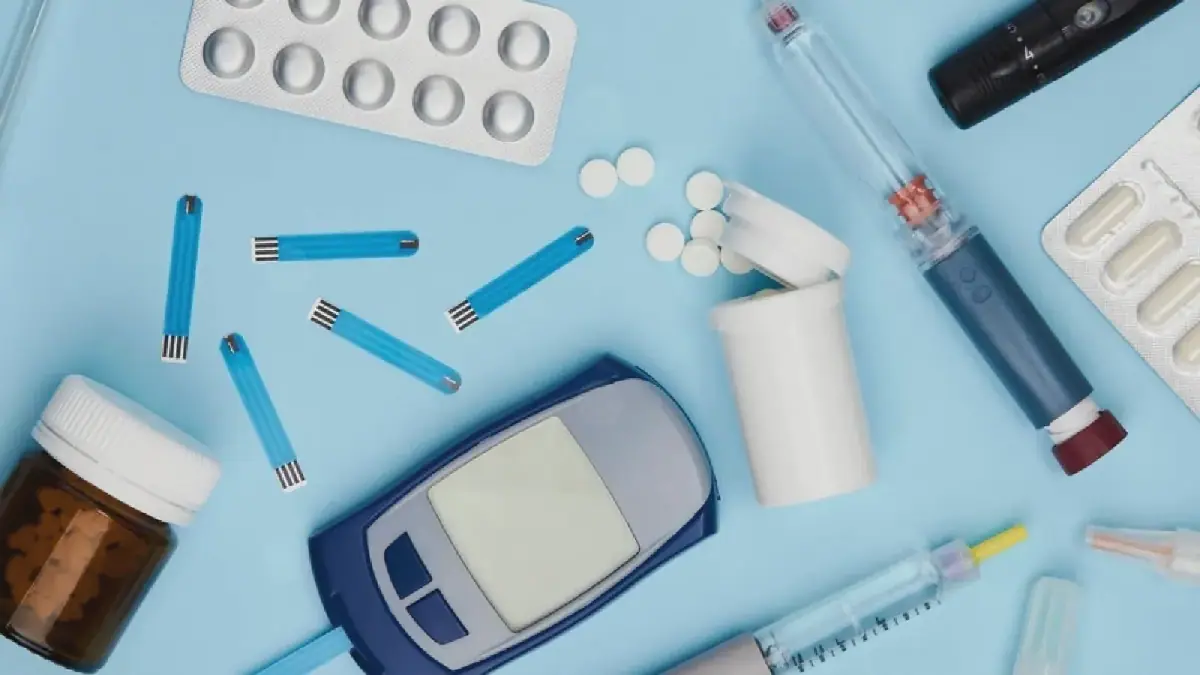
Diabetes patients in Libya have also faced significant challenges in accessing essential medications, including insulin and other treatments. Aboudbous expressed concern that patients are being forced to go without treatment, which can have severe consequences for their health. He emphasized that the lack of clear explanations for the decline in medical supplies has exacerbated the situation.
Patients with cystic fibrosis are also struggling to access the medications they need. Despite repeated appeals for help, the necessary treatments remain unavailable. According to Aboudbous, there are approximately 88 registered cases in Tripoli, with an estimated 200 cases nationwide.
Aboudbous has placed the responsibility for the medical supply shortage squarely on the Libyan Medical Supply Device, which is responsible for importing and distributing medications. He called for urgent action to address the crisis and ensure that patients receive the treatments they need.
The medical supply crisis in Libya has significant implications for the country's healthcare system. With thousands of patients relying on these medications to manage their conditions, the situation is growing increasingly dire. It remains to be seen how the authorities will respond to the crisis and work to resolve the shortage of essential medications.
Key points
- Over 80% of cancer patients in Libya are unable to access their necessary medications.
- The shortage of medications for kidney failure patients has improved slightly, but some essential treatments remain unavailable.
- The Libyan Patients' Union is calling for urgent action to address the medical supply crisis and ensure that patients receive the treatments they need.