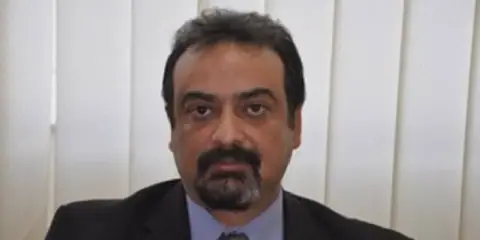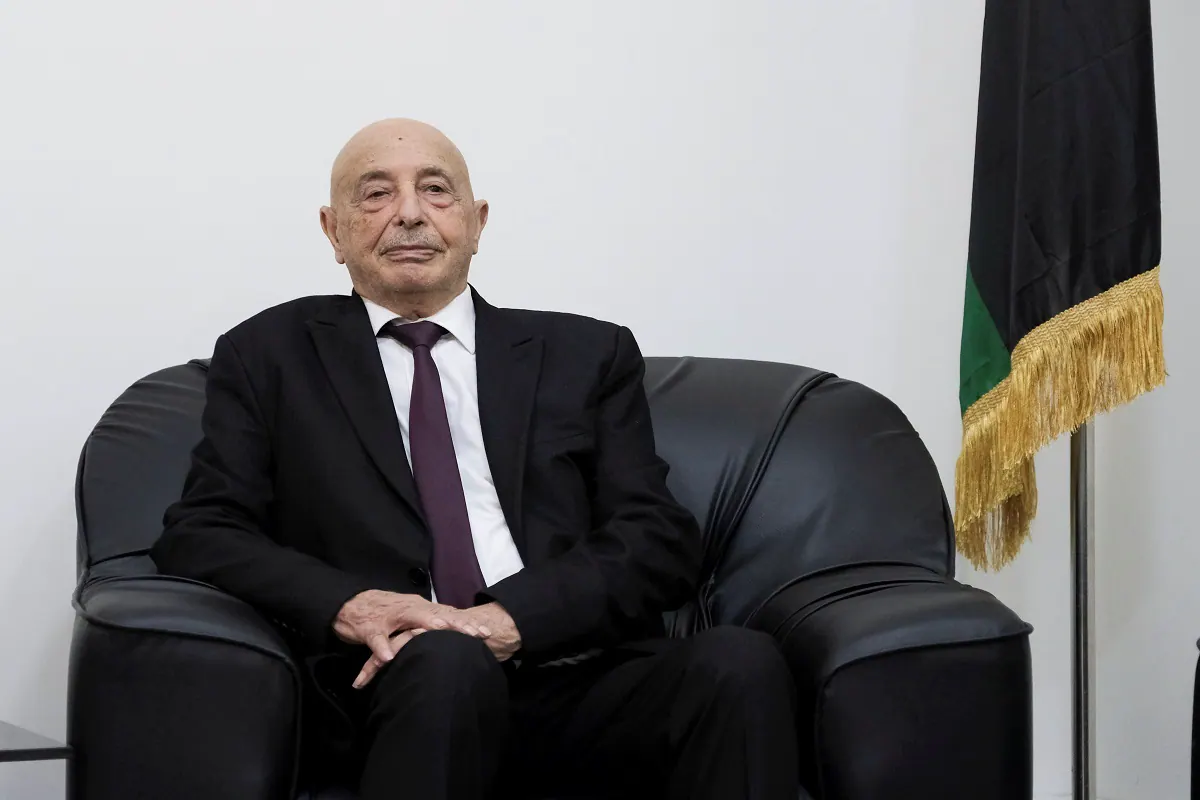
Libya's eastern-based House of Representatives has removed its longtime Speaker, Aguila Saleh, after nearly 12 years in office. This move marks a significant leadership shake-up that could further unsettle the country's already fragile political landscape. Saleh, 82, has been a central figure in Libya's politics since the overthrow of longtime ruler Muammar Qaddafi in 2011. He became speaker of the House of Representatives in 2014 and remained one of the most prominent figures in the eastern political establishment.
Lawmakers elected Al-Salhin Abdelnabi Al-Obeidi, an engineer and representative of the eastern city of Tobruk, to replace Saleh. The House also elected Tarek Al-Ashtar as first deputy speaker and Misbah Douma as second deputy speaker. More than 100 lawmakers attended the session. The change followed a vote by 98 lawmakers to introduce a new system limiting the speaker and deputy speakers to one 12-month term, ending the arrangement that had allowed Saleh to remain in office since 2014.
Saleh rejected the proceedings that paved the way for his removal, describing the earlier session approving the leadership-term changes as unofficial and saying it had no legal effect. He also announced that he had cancelled a session he had called, arguing that the parliamentary procedures required for such decisions had not been followed. Lawmaker Jebree Oheida said there was significant discontent among MPs with the previous leadership over numerous errors.
Saleh was a longstanding ally of eastern military commander Khalifa Haftar, while analysts say the change comes as Haftar's family, particularly his son Saddam, strengthens its influence over eastern Libya and its role in negotiations over national reunification. The House of Representatives, based in the east, has provided political backing to Haftar's camp, while the internationally recognised Government of National Unity operates from Tripoli in western Libya.
The removal of Saleh represents a major change within the eastern political establishment and could have significant implications for the next phase of Libya's efforts to reunify its institutions and hold long-delayed elections. Libya's rival administrations have since remained locked in a struggle over legitimacy, state institutions, security forces and control of the country's vast oil resources. Repeated international mediation efforts have failed to deliver lasting political reunification.
The latest attempt to revive the political process has brought together rival factions under a UN-backed framework, with the United States also pushing a parallel initiative. Against this backdrop, the change in leadership could further complicate the country's political situation. The country has been struggling with division and conflict since the overthrow of Qaddafi in 2011.
The implications of Saleh's removal will be closely watched by international observers and Libyan citizens. The country's future political trajectory remains uncertain, with many challenges still to be addressed. The international community has been calling for a peaceful and stable Libya, and the change in leadership may be a step towards achieving this goal.
Key points
- The removal of Aguila Saleh as Speaker of Libya's House of Representatives marks a significant change in the country's leadership.
- The change could have implications for Libya's efforts to reunify its institutions and hold long-delayed elections.
- The country's future political trajectory remains uncertain, with many challenges still to be addressed.