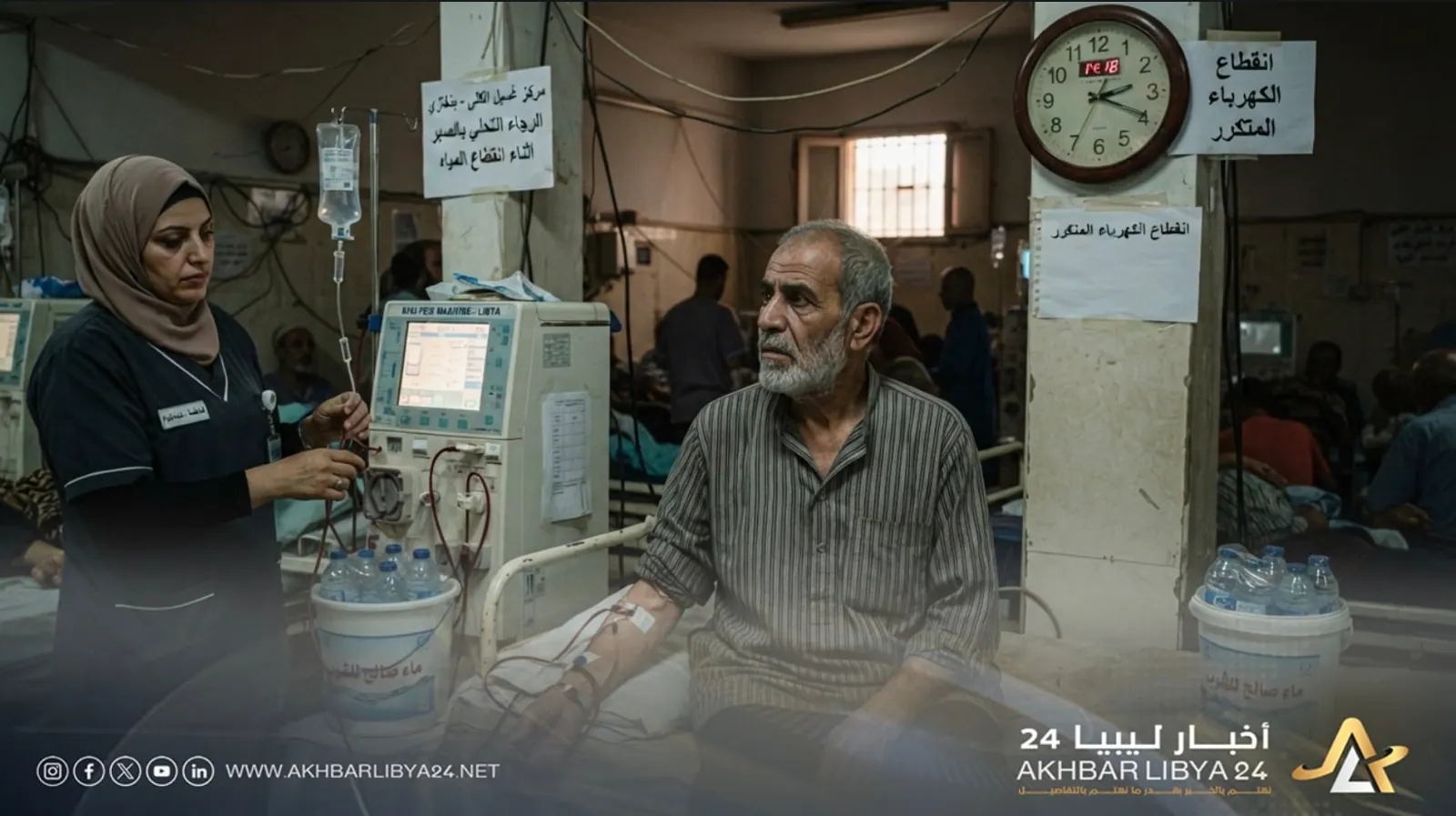
Patients with kidney failure in Libya are facing significant challenges in accessing dialysis treatment due to ongoing power and water shortages, medication shortages, and infrastructure issues. The situation has become increasingly difficult, with patients and doctors reporting disruptions to dialysis sessions, which are essential for patients with end-stage renal disease. The shortages have resulted in patients receiving fewer dialysis sessions than required, which can lead to serious health complications.
The power outages and water shortages have affected several dialysis centers across the country, including the dialysis center in the city of Ajilat, which was forced to close temporarily in August 2026 due to a lack of desalinated water. Similarly, the dialysis center in Obari has faced challenges due to power outages, prompting local efforts to provide fuel and ensure the continuity of electricity supply. Patients have reported being informed that electricity has been cut off for hours, and the return of power is uncertain.
The lack of medication and medical supplies has also become a significant challenge for patients undergoing dialysis. Patients have reported being forced to purchase medication from private pharmacies at high prices, which can be a significant burden. Doctors have emphasized that dialysis sessions are not routine check-ups that can be postponed, but rather a critical treatment that helps remove toxins and excess fluids from the body. Delays or cancellations of dialysis sessions can lead to serious health complications.
The infrastructure issues have also affected the dialysis centers, with patients and doctors reporting problems with the electronic registration system, which has made it difficult for patients to access treatment. The system, which was introduced to organize and streamline access to medication and appointments, has become an obstacle for patients who need to change centers due to power or water outages. This has resulted in patients being unable to access treatment, exacerbating the challenges they face.
The exact number of patients with kidney failure in Libya is unclear, with different estimates being reported. The National Kidney Disease Authority estimated in November 2025 that there are approximately 6,100 patients with kidney failure, while other reports suggest that there are around 7,100 patients undergoing dialysis and 2,200 kidney transplant recipients. The authority has also reported that there are around 96 dialysis centers and units across the country.
The National Kidney Disease Authority was established in 2025 to regulate and develop services for patients with kidney disease. The authority has reported that it has received shipments of medication and medical supplies, including a shipment that is expected to last for 8-10 months. However, patients and doctors have reported that the supplies have not been consistently available, and the authority faces significant challenges in ensuring a stable supply of medication and medical equipment.
Patients and doctors have called for the authorities to take urgent action to address the challenges facing dialysis patients. They have emphasized the need for a stable supply of medication and medical equipment, as well as improvements to the infrastructure and services provided by dialysis centers. The situation highlights the need for a comprehensive and sustainable solution to address the challenges facing patients with kidney failure in Libya.
Key points
- Patients with kidney failure in Libya face significant challenges in accessing dialysis treatment due to power and water shortages, medication shortages, and infrastructure issues.
- The National Kidney Disease Authority has been established to regulate and develop services for patients with kidney disease, but faces significant challenges in ensuring a stable supply of medication and medical equipment.
- Patients and doctors have called for urgent action to address the challenges facing dialysis patients, including improvements to infrastructure and services, and a stable supply of medication and medical equipment.