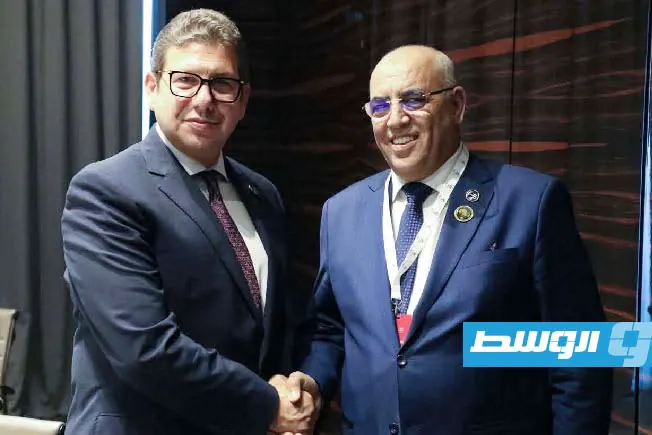
On September 21, 2026, Abdulmajid Miliqta, the acting head of Libya's General Intelligence Agency, met with intelligence chiefs from Egypt, Sudan, and Azerbaijan on the sidelines of the Baku Security Conference. The meetings focused on enhancing cooperation and exchanging information on security issues. Miliqta discussed with Egyptian intelligence chief Hassan Rashad the importance of Libya's role in Africa, particularly in leading the Committee of African Intelligence and Security Agencies.
Miliqta and his Egyptian counterpart emphasized that Libya's security is closely tied to Egypt's, given their shared geography, borders, and interests. They agreed to continue close consultation and coordination between their security agencies. The talks also covered ways to expand cooperation in areas such as combating terrorism, irregular migration, and organized crime.
In a separate meeting with Sudan's intelligence chief, Ahmed Ibrahim Mufaddal, Miliqta highlighted the historical and fraternal relations between Libya and Sudan. They discussed the need to support Sudan's stability and security, particularly during this challenging period. The two officials also exchanged views on regional issues and their impact on security and stability in North Africa.
Miliqta also met with Azerbaijan's intelligence chief, Ali Naghiyev, to explore ways to enhance cooperation between their agencies. They focused on combating terrorism, irregular migration, and money laundering. These meetings demonstrate Libya's efforts to strengthen its relationships with neighboring countries and international partners on security issues.
The meetings took place amid internal developments in Libya, where there have been disputes over the appointment of the intelligence chief. On September 20, 2026, the Administrative Justice Circuit of the Tripoli Court of Appeal ruled to suspend decisions by the Presidential Council related to the appointment and dismissal of the intelligence chief.
The ruling was a result of a lawsuit filed by some members of the Presidential Council, who disputed the appointment of Miliqta as the new intelligence chief. This development highlights the ongoing challenges Libya faces in establishing a stable and effective government.
Despite these challenges, Miliqta's meetings with his counterparts from Egypt, Sudan, and Azerbaijan demonstrate Libya's commitment to regional cooperation on security issues. The talks are expected to lead to increased collaboration and information sharing between the countries.
Key points
- Libya's intelligence chief met with counterparts from Egypt, Sudan, and Azerbaijan to discuss security cooperation.
- The meetings focused on combating terrorism, irregular migration, and organized crime.
- The talks took place amid internal disputes in Libya over the appointment of the intelligence chief.