The Libyan High Council of State is studying the 4+4 agreement based on the political gains it can provide, according to Ahmed Douga, deputy head of the National Movement party. Douga stated that the agreement represents a political deal for various Libyan political bodies. Each party is examining the agreement from the perspective of potential gains in the upcoming phase.
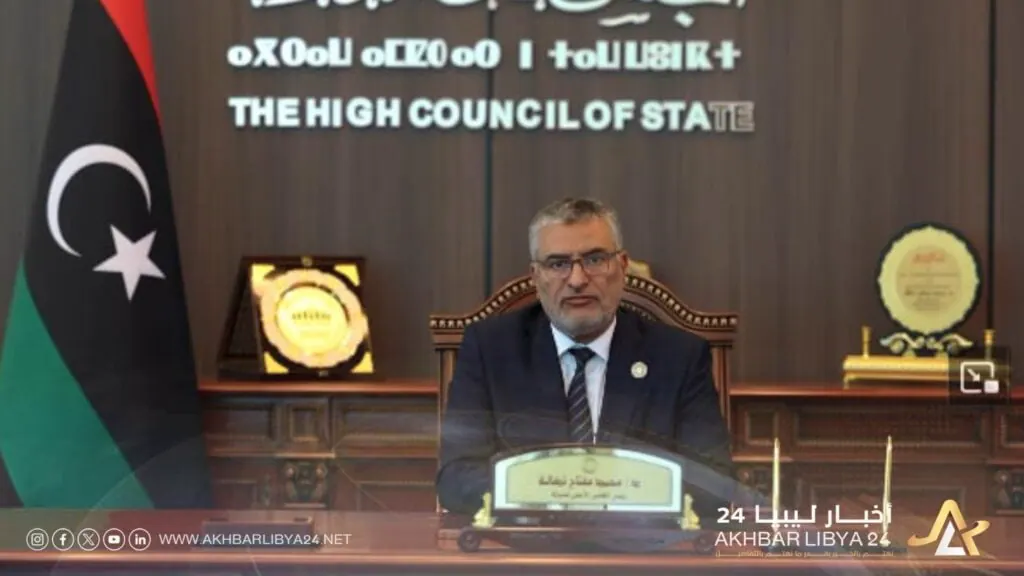
Douga revealed that there is a division within the High Council of State regarding the stance on the proposed understandings. The final decision on the council's stance rests with its head, Mohamed Takala. Douga noted that members' positions may change if they determine that the agreement achieves interests or political gains for the council.
Libyan political parties are addressing the proposed agreements and understandings based on their calculations and interests. Parties that see the agreement providing tangible political gains may support and interact with it. Conversely, parties with limited gains may take a more cautious stance.
The nature of the potential outcomes of the 4+4 agreement will be a crucial factor in determining the political parties' stances, including the High Council of State. This comes amid ongoing political tensions in Libya, with multiple positions on initiatives and understandings aimed at overcoming existing differences between political institutions and bodies.
Douga's statements reflect a reading of the parties' positions on the agreement, linking their acceptance or reservation to the potential political gains. The discussion is ongoing within Libyan political forces regarding future arrangements. According to Douga, the clarity of gains the High Council of State can obtain will influence its stance on the agreement.
The final decision within the High Council of State remains dependent on internal deliberations and the stance of its leadership on the proposed understandings. This situation reflects the complex political landscape in Libya, where various parties are seeking to advance their interests through negotiations and agreements.
The 4+4 agreement is one of several initiatives aimed at resolving Libya's ongoing political crisis. The agreement's success will depend on the level of support it receives from key political stakeholders, including the High Council of State. Libya has faced significant challenges in recent years, including ongoing conflict and divisions between rival political factions.
Key points
- The Libyan High Council of State will decide on the 4+4 agreement based on potential political gains.
- There is a division within the High Council of State regarding the stance on the proposed understandings.
- Libyan political parties are addressing the proposed agreements based on their calculations and interests.