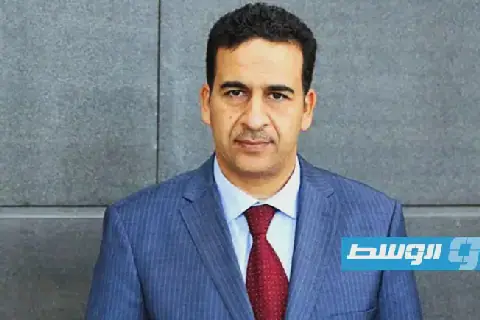
The High Council of State in Libya has voted to reject the outputs of the 4+4 committee, which was established to discuss the country's electoral process. According to member of the council, Naimah Al-Hami, the council voted unanimously to reject the committee's outputs, with 72 members participating in the vote out of a total of 92 attendees. The decision was made during a session held on Monday, October 5, 2026.
The 4+4 committee was established as part of the efforts to move forward with the electoral process in Libya. The committee's outputs included proposals to amend the electoral laws and reconstitute the National High Commission for Elections. However, the High Council of State has expressed concerns over the committee's legitimacy and the potential impact of its outputs on the country's electoral process.
The rejection of the 4+4 committee's outputs by the High Council of State is seen as a significant development in Libya's ongoing efforts to hold elections. The country's electoral process has been stalled for several years, and the rejection of the committee's outputs is likely to further complicate efforts to move forward with the elections.
The High Council of State's decision to reject the 4+4 committee's outputs is also seen as a blow to the efforts of the United Nations to support Libya's electoral process. The UN has been working with Libyan stakeholders to support the country's transition to democracy, and the rejection of the committee's outputs is likely to pose a significant challenge to these efforts.
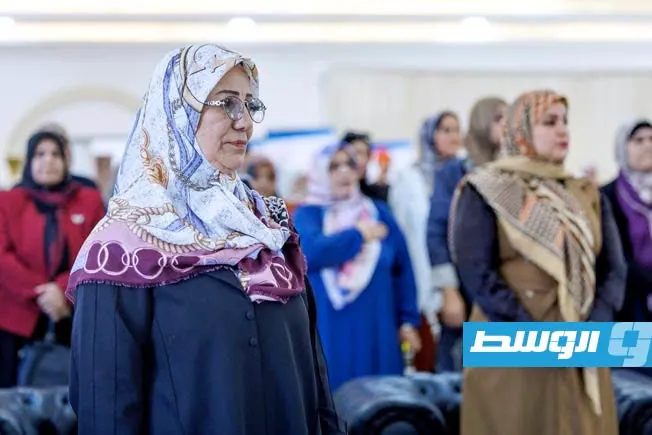
In a separate development, a national forum was held at the High Council of State's headquarters, where participants reaffirmed their commitment to the council's legislative competencies and the political agreement. They also rejected any parallel tracks or outputs from the 4+4 committee that are outside the country's institutional and consensual frameworks.
The 4+4 committee's outputs have been met with opposition from several Libyan stakeholders, including the Presidential Council and several political parties. They argue that the committee's proposals are not in line with the country's institutional frameworks and are likely to exacerbate the country's electoral crisis.
The rejection of the 4+4 committee's outputs by the High Council of State has raised questions about the way forward for Libya's electoral process. It remains to be seen how the country's stakeholders will respond to the council's decision and what impact it will have on the country's transition to democracy.
Key points
- The High Council of State's rejection of the 4+4 committee's outputs is a significant development in Libya's ongoing efforts to hold elections.
- The decision is likely to further complicate efforts to move forward with the elections and poses a significant challenge to the UN's efforts to support Libya's electoral process.
- The rejection of the committee's outputs has been met with opposition from several Libyan stakeholders, who argue that the proposals are not in line with the country's institutional frameworks.