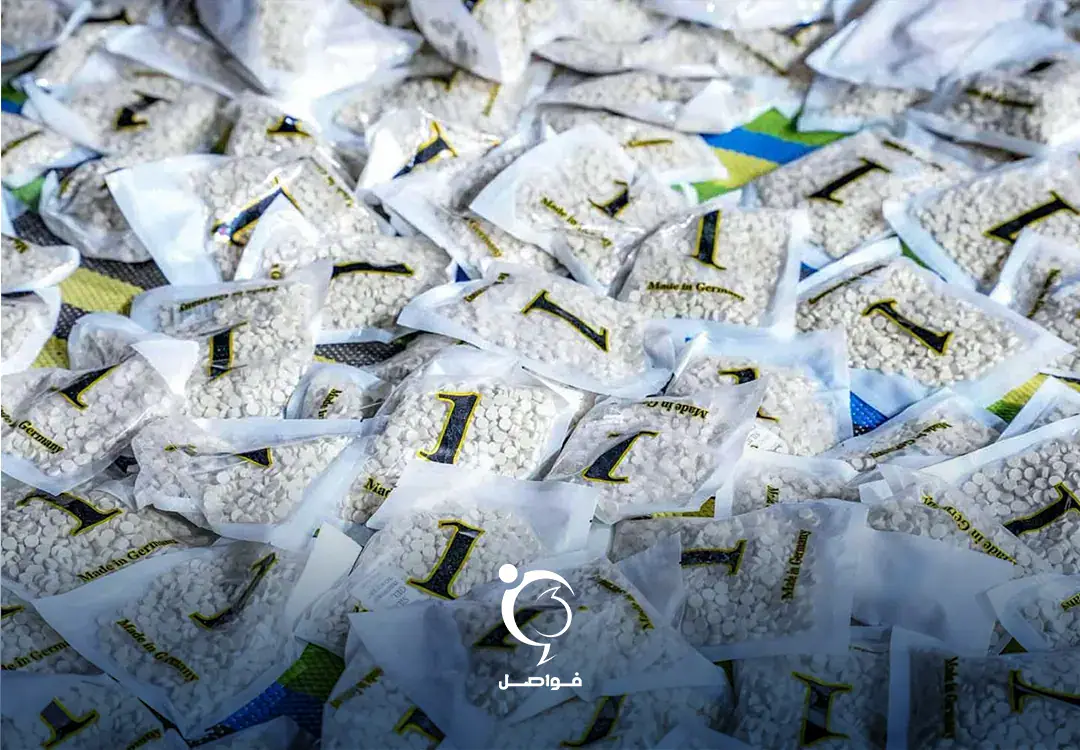
Libya has evolved from a mere transit point for drug trafficking to a center for production, storage, and distribution, according to a report by Middle East Online. The country's ongoing security and political divisions since 2011 have contributed to this development. A recent case in eastern Libya saw six individuals convicted of manufacturing and trafficking Captagon, a type of amphetamine.
The report cited a significant seizure in October, where over 1.3 million Captagon pills were confiscated in Kufra, and approximately 400 kilograms of hashish were seized near Tobruk. The hashish, valued at around 6 million Libyan dinars, was reportedly being transported from Egypt for distribution within Libya. This incident highlights the country's growing role in the regional drug trade.
A UN report from January 2026 warned of Libya's emerging role as a regional hub for cocaine trafficking to Europe and the Middle East. The report noted that cocaine is being smuggled through Libya via sea routes from South America and overland routes from West African countries to the southern Libyan border. This development has significant implications for regional security.
The report also highlighted the connection between Libya and Tunisia, where over 101 kilograms of cocaine were seized in the first nine months of 2026, compared to 94 kilograms in all of 2025 and 33 kilograms in 2024. The Libyan-Tunisian border has become a key route for traffickers.
The ongoing institutional divisions and multiple power centers in Libya are hindering efforts to dismantle criminal networks, despite continued security operations and seizures. The report warned that the consequences of the drug trade could extend beyond Libya's borders and threaten neighboring countries.
The growing trend of drug manufacturing and trafficking in Libya has significant implications for regional security and stability. The country's authorities face a significant challenge in combating this issue, which requires a coordinated effort to address the root causes of the problem.
The international community is also concerned about Libya's growing role in the global drug trade. The UN report emphasized the need for continued cooperation and efforts to disrupt and dismantle trafficking networks.
Key points
- Libya's ongoing security and political divisions have contributed to its growing role in drug trafficking and manufacturing.
- The country's authorities face significant challenges in combating the issue, which requires a coordinated effort to address the root causes of the problem.
- The international community is concerned about Libya's growing role in the global drug trade and emphasizes the need for continued cooperation to disrupt and dismantle trafficking networks.