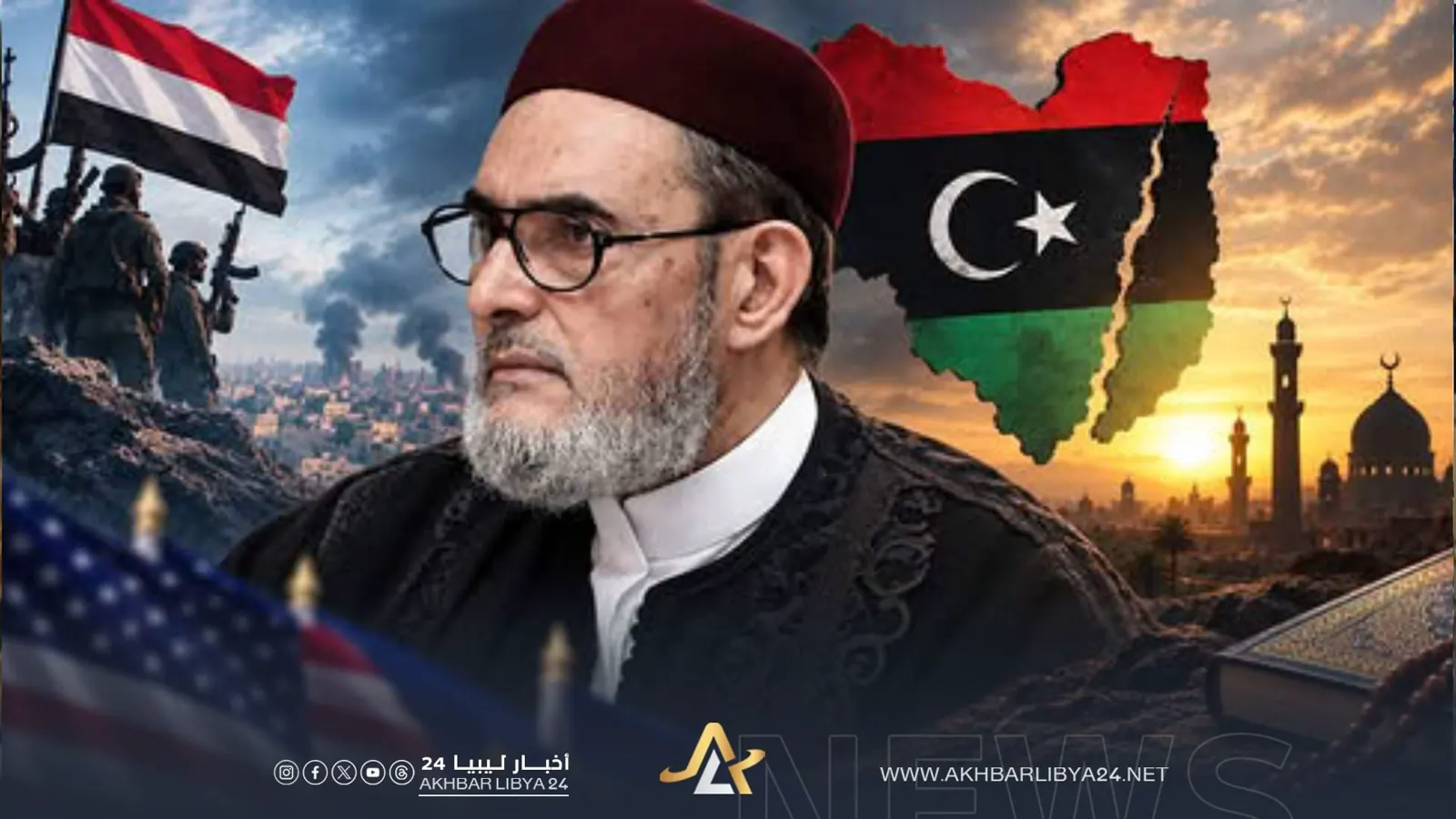
Libyan cleric Sadek al-Ghariani has sparked controversy with recent statements expressing support for Yemen's Houthi rebels. In a video recording, Ghariani described the Saudi-led war against the Houthis as a proxy conflict on behalf of the United States. He also linked the Houthis' control of the Bab al-Mandab strait to increased pressure on the US. These comments have triggered a backlash in Yemen, with the Yemeni government and several prominent figures criticizing Ghariani's stance.
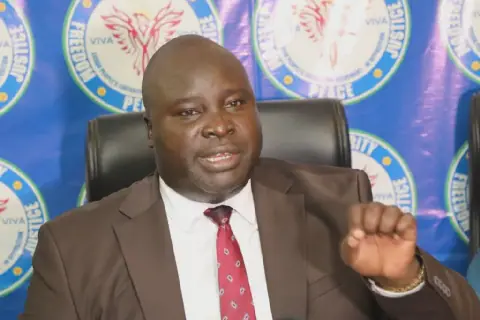
Ghariani's remarks have been met with strong opposition from the Yemeni government. Yemen's Minister of Awqaf and Guidance, Turki al-Wadani, responded to Ghariani's statements, accusing him of deviating from Islamic scholarship and promoting a biased narrative. Al-Wadani argued that the conflict in Yemen is an internal struggle between the Yemeni people and the Houthis, rather than a Saudi-Yemeni war. He also urged Ghariani to reconsider his position and withdraw his support for the Houthis.
The controversy surrounding Ghariani's statements has also drawn attention to his past positions on regional conflicts. In 2018, Ghariani criticized Saudi Arabia and the United Arab Emirates for their stance on Palestinian factions. He accused the two countries of responding to Western pressure and classifying groups like Hamas as terrorist organizations. Ghariani's comments have sparked concerns about his use of Islamic rhetoric to support certain political and military agendas.
The Bab al-Mandab strait has become a key point of contention in the conflict. Ghariani's comments suggesting that Houthi control of the strait would increase pressure on the US have been seen as an attempt to justify the Houthis' actions. The strait is a critical waterway for international shipping and energy exports. Recent reports have highlighted the threat posed by Houthi attacks to maritime security and energy supplies.
The Yemeni government has rejected Ghariani's characterization of the conflict and accused him of whitewashing the Houthis' human rights abuses. Minister al-Wadani called on Ghariani to apologize to the Yemeni people and withdraw his support for the Houthis. Former Yemeni Minister of Awqaf and Guidance, Mohammed bin Aida Shabeeba, also criticized Ghariani's stance, questioning the basis for his support of the Houthis.
The controversy has also sparked a wider debate about the role of Islamic rhetoric in regional conflicts. Critics of Ghariani argue that his use of Islamic language to support certain political and military agendas undermines the credibility of Islamic scholarship. The debate highlights the complex and often contentious nature of Islamic politics in the region.
The fallout from Ghariani's statements is likely to continue, with implications for regional politics and diplomacy. The Yemeni government's response has underscored the deep divisions between Libya and Yemen on the issue. As tensions escalate, it remains to be seen how Ghariani's comments will impact relations between the two countries and the wider region.
Key points
- - Ghariani's comments have sparked controversy and criticism in Yemen and beyond - The Yemeni government has rejected Ghariani's characterization of the conflict - The controversy has sparked a wider debate about the role of Islamic rhetoric in regional conflicts