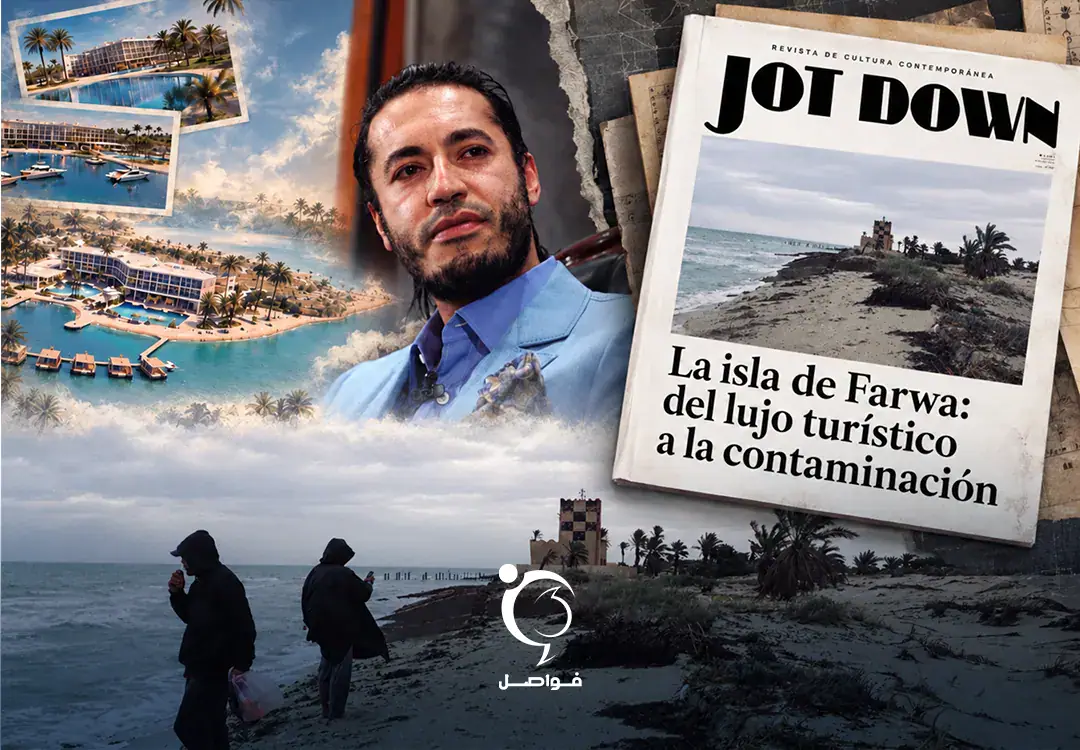
A proposed tourism project on Farwa Island, located off the coast of western Libya, has failed to materialize, leaving the area heavily polluted with toxic waste. The ambitious plan, estimated to cost $300 million, was announced in 2005 and envisioned a luxury resort with hotels, golf courses, and yacht marinas. The brainchild of Saadi Gaddafi, the project promised to create 700 jobs and transform the island into a world-class tourist destination.
The project stalled, and the area has since become heavily polluted. Environmental activists have raised concerns that the construction of a causeway connecting the island to the mainland has disrupted ocean currents, causing water stagnation near the Abu Kamash port. The nearby chemical complex, which contains hazardous materials such as mercury and cadmium, has also contributed to the pollution.
Scientific studies have confirmed the presence of heavy metal pollution in the area. A 2016 study, based on samples collected in 2014, found that mercury levels in fish and marine organisms in Farwa Lake exceeded reference limits. Another study published in September 2025 found that cadmium concentrations in lake sediments exceeded permissible levels during the rainy season.
The pollution has significant implications for the local ecosystem. Farwa Island is a habitat for sea turtles and flamingos, and conservation efforts are underway to mitigate the damage. Volunteers have organized clean-up campaigns, collecting around 50 tons of waste in one effort.
The project's failure has left the island and surrounding area in a state of neglect. The once-promising tourism project has given way to environmental degradation and concerns about public health. Local communities and environmental groups are now working to restore the area and mitigate the effects of pollution.
Despite the challenges, there are signs of hope. Volunteer efforts to clean up the island and restore the waterway have shown that community-led initiatives can make a positive impact. However, a comprehensive solution to the pollution problem will require sustained efforts from authorities, local communities, and environmental organizations.
The story of Farwa Island serves as a cautionary tale about the importance of environmental considerations in development projects. As Libya continues to navigate its complex economic and environmental challenges, the case of Farwa Island highlights the need for sustainable and responsible development practices that prioritize the well-being of both people and the environment.
Key points
- A proposed $300 million tourism project on Farwa Island has stalled due to environmental concerns and heavy metal pollution.
- The area is heavily polluted with toxic waste, including mercury and cadmium, from a nearby chemical complex.
- Conservation efforts are underway to mitigate the damage and restore the island's ecosystem.