Libya's electoral landscape remains uncertain as various factions express disagreement over the legislative framework that will govern the upcoming elections. The Higher Council of State and several political parties have rejected the outcomes of the 4+4 committee, citing the need for a more inclusive and comprehensive approach. Instead, they are insisting on adhering to the electoral laws issued by the 6+6 committee. This development has sparked concerns about the potential for further delays or complications in the electoral process.
The 4+4 committee's proposals have been met with resistance from various stakeholders, who argue that the suggested framework does not adequately address the country's complex political landscape. In contrast, the 6+6 committee's electoral laws have gained more traction, with many parties calling for their implementation. The Higher Council of State and participating parties have emphasized the importance of involving political forces in the electoral process and ensuring that parties play a significant role in the nomination and presentation of political lists and programs.
The disagreement over the electoral framework has significant implications for Libya's transition towards stability and democracy. The country's electoral process has been marred by delays and controversies, and the latest developments have raised concerns about the feasibility of holding timely and credible elections. The international community has been closely watching the situation, with many urging Libyan stakeholders to find a consensus on the electoral framework to ensure a smooth transition.
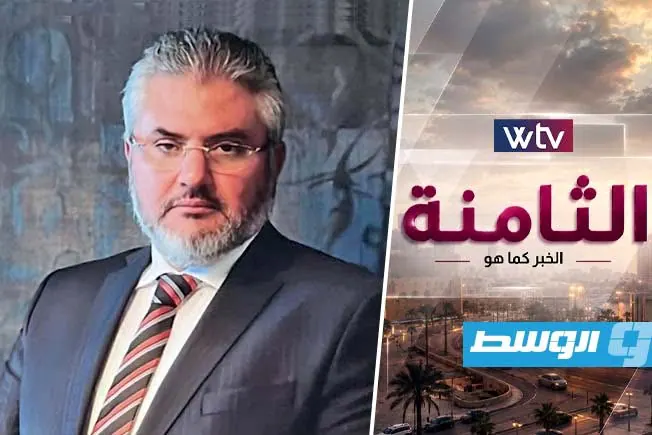
In a recent statement, Sami Al-Said, head of the National Coalition of Libyan Parties, shed light on the coalition's stance regarding the 4+4 committee's proposals. He emphasized that the coalition is committed to the electoral laws issued by the 6+6 committee and called for a more inclusive approach to the electoral process. Al-Said's comments reflect the coalition's concerns about the potential risks associated with the 4+4 committee's proposals and its determination to ensure that the electoral process is fair, transparent, and representative of the Libyan people's will.
The National Coalition of Libyan Parties has been actively engaged in discussions with various stakeholders to find a way forward for the electoral process. The coalition has stressed the importance of adhering to the constitutional and legal frameworks that govern the electoral process and has called for a more collaborative approach to addressing the country's challenges. By emphasizing the need for a comprehensive and inclusive approach, the coalition aims to ensure that the electoral process is legitimate and credible.
The Libyan electoral process has been subject to various influences and pressures, both domestically and internationally. The international community has been urging Libyan stakeholders to find a consensus on the electoral framework to ensure a smooth transition. However, the complexity of the country's political landscape and the multiplicity of stakeholders have made it challenging to achieve a consensus. As the situation continues to evolve, it remains to be seen how the various factions will navigate the challenges and find a way forward for the electoral process.
The uncertainty surrounding Libya's electoral process has significant implications for the country's stability and security. The ongoing disagreements over the legislative framework have raised concerns about the potential for further delays or complications in the electoral process. As the situation continues to unfold, it is essential for Libyan stakeholders to find a consensus on the electoral framework to ensure a smooth transition and pave the way for stability and democracy in the country.
Key points
- The Higher Council of State and several political parties have rejected the outcomes of the 4+4 committee.
- The 6+6 committee's electoral laws have gained more traction among Libyan stakeholders.
- The international community has been urging Libyan stakeholders to find a consensus on the electoral framework.